Lead Scoring vs. Routing Rules: How to Combine Both
Imagine a prospect filling out your demo form. They’ve just shown clear interest. Instead of letting them sit idle, RevenueHero’s approach is to capitalize on that momentum. Today, we’re diving deep into two vital aspects of modern GTM workflows-lead scoring and routing rules-and how to integrate them seamlessly.
Leads can be messy. Relying on one or the other method too exclusively means you might miss crucial signals or waste resources chasing incomplete leads. Let’s break down how mature revenue teams combine these methods for an inbound conversion powerhouse.
Understanding the Basics of Lead Scoring
Lead scoring is the practice of assigning numerical values to incoming leads based on factors like interest, engagement, firmographics, and behavior. The goal is to predict which leads are most likely to convert. It’s not just a buzzword; it’s the backbone of efficient resource allocation in inbound sales.
The challenge is to strike the right balance between human intuition and data-driven insights. Mature teams use automated processes to derive insights-something that RevenueHero champions through its granular reporting features.
What is Lead Scoring?
Lead scoring means setting up criteria so each lead gets a composite score. This value reflects their likelihood to move through your sales process. The computation usually considers multiple factors such as:
- Demographics and firmographics
- Behavior on your website
- Engagement with marketing materials
- Past buying signals
This system helps filter the noise. With AI-powered lead scoring models now achieving 83% accuracy according to industry research, the transition from guesswork to precision is evident.
Why Lead Scoring is Essential for Inbound Conversion
Leads coming in through your demo form or contact page are at a critical point-they’re engaged and ready to explore. Businesses that don’t layer on lead scoring risk missing out on actionable insights. Instead of reacting, you can proactively engage high-potential leads based on their scores.
AI-powered scoring not only reduces manual effort but also brings a nuanced understanding of lead behavior. Leaders like Michael Fauscette from IDC emphasize that companies who don’t adopt these systems are likely to fall behind. With data fragmentation affecting over 60% of B2B companies according to a recent industry analysis, the investment in a robust scoring solution is non-negotiable.
Operational Pain Points Without Effective Lead Scoring
Most organizations face challenges when tackling the follow-up gap. Picture this: a prospect fills out your form, and the lead sits inactive while routing workflows catch up, causing delays. The longer the lead waits, the more likely they are to lose interest.
Operational challenges include:
- Manual lead assignment leading to inconsistent follow-up times
- Misinterpretation of lead behavior that wastes valuable rep time
- Lack of real-time insights to adjust strategies on the fly
The old way meant relying on static metrics and manual reviews. Mature teams use AI-driven data processing to churn out insights in real time. This shift has been instrumental in increasing conversion rates by around 25% for companies who modernized their processes as noted by The AI Consultancy.
The Role and Impact of Routing Rules in GTM Workflows
Routing rules determine which sales rep gets which lead and when. These rules provide a framework that routes prospects at exactly the right moment, ensuring speed and relevance.
A simple delay can be the difference between a booked meeting and a missed opportunity. RevenueHero’s instant scheduling and smart routing are designed to tackle that headache head-on.
Defining Routing Rules
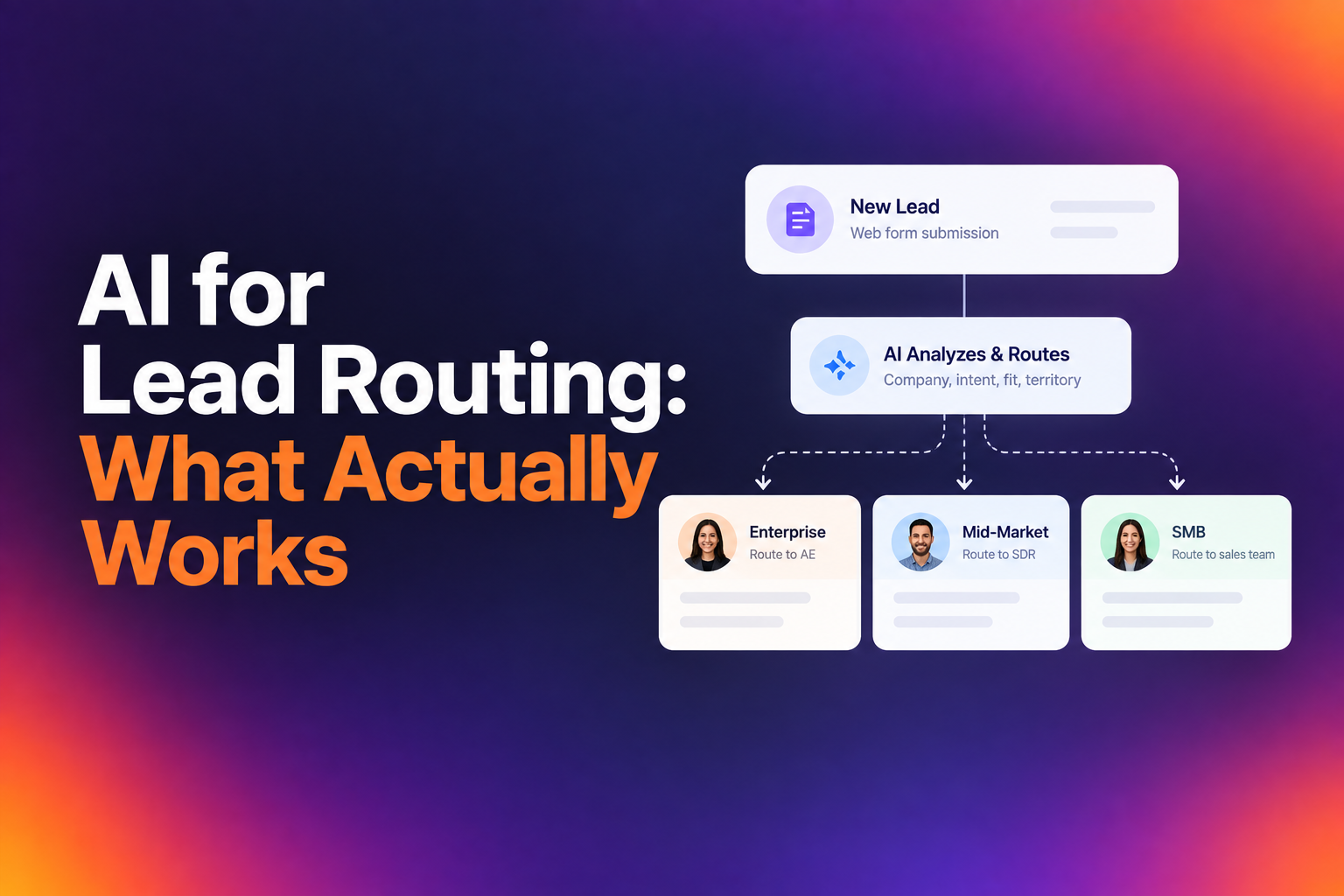
Routing rules are systems that allocate leads based on predefined criteria-typically factors like geographical location, lead score, or the specific products and services they’re interested in.
For example, a lead hailing from a well-established enterprise might be routed directly to your most experienced AEs, while startups or smaller companies may initially interact with an SDR specialized in rapid initial follow-ups.
This method minimizes the time lag between form submission and personal engagement, which is critical given that sales automation contributes directly to revenue growth for 75% of companies according to Cirrus Insight.
Operational Shortcomings Without Defined Routing
Consider the chain reaction when routing is sluggish: the follow-up becomes stale, prospects move on, and you end up chasing disengaged leads instead of warm ones ready to convert. Operationally, this is why companies have to balance lead scoring with immediate routing.
When your process relies solely on lead scoring without proper routing, you might score a high-potential lead correctly, but they end up languishing in a pipeline. The integration of the two strategies ensures that once a lead is scored, they’re immediately directed to the right team member.
Benefits of Smart Routing and Its Integration with Lead Scoring
Smart routing transforms the initial engagement into a real-time connection. Instead of waiting for a rep to manually claim a lead, companies employing smart rules leverage system automation to get leads in front of the right person instantly.
- Instant Lead Assignment: No lag time between lead capture and rep engagement
- Optimized Workload Distribution: Ensures the right prospect interacts with the right representative
- Enhanced Data Utilization: Uses real-time analytics to route leads based on their behavior and score
- Streamlined Handoffs: Smooth transitions between SDRs and AEs, eliminating follow-up bottlenecks
This integrated approach is clear when you look at improvements in conversion rates. Successful teams see a notable uptick in prospect engagement by eliminating waiting times, as lead scoring guides priority and routing ensures the right connection.
Blending Lead Scoring with Routing Rules
The real magic happens when lead scoring and routing rules work in tandem. RevenueHero’s system exemplifies this synergy by triggering immediate scheduling upon form submission, ensuring no momentum is lost.
The challenge is to build a system where data-driven decisions inform the instant routing of leads. When implemented correctly, it eliminates the follow-up gap and allows your sales team to capitalize on warm leads without delay.
Building a Hybrid System
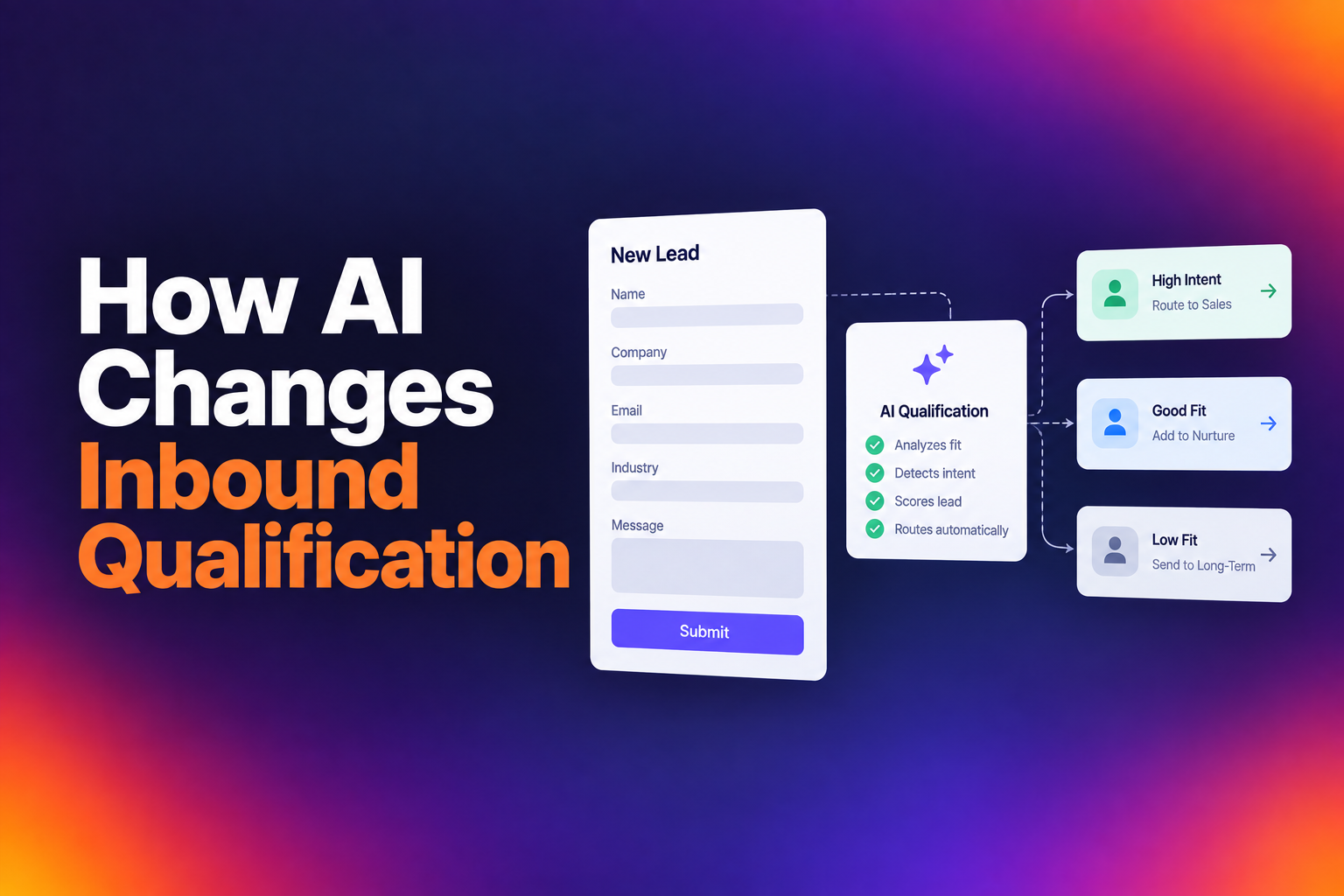
Think of your process as a two-step funnel. The first step is the lead scoring mechanism that filters and qualifies a prospect based on their engagement and profile. The second step instantly routes these leads based on predefined criteria.
RevenueHero’s approach addresses both these crucial elements:
- Personalization at Scale:
- By automating the data capture at form submission, you can personalize interactions immediately. This instant feedback loop ensures that prospects see a scheduling interface tailored to their segment.
- Speed to Lead:
- Routing rules kick in as soon as a lead score reaches a particular threshold. With instant routing, prospects experience minimal lag-a crucial factor in maintaining their interest.
- Granular Reporting and Iteration:
- Every interaction is tracked. RevenueHero provides detailed analytics so you can constantly refine both the scoring criteria and the routing logic. This data-driven approach helps you adjust to market changes and prospect behavior swiftly.
This methodology cuts down on administrative overheads, ensuring that the sales process remains fluid and efficient. By automating the mundane tasks, your team can focus on high-value interactions.
Operational Examples and Scenarios
Let’s consider a real-world scenario. A prospect fills out the demo form during off-peak hours. Traditional systems might mark this lead for follow-up the next day. But with revenue-centric automation, your rules instantly assess the lead score. If the score is above a threshold based on engagement, the system automatically routes the lead to a rep with immediate availability.
Now imagine this scenario with a twist: the prospect’s behavior triggers a rapid check, and routing logic determines that they might be falling into a high-demand segment. The system reroutes them to an expert, bypassing generic queues. The result? The lead books a meeting almost immediately, and the conversion cycle moves to a productive phase.
This is not about leaving leads to chance. It is about building an automated environment where every form submission becomes an actionable event. Operational savings and improved response times combine to create a seamless pipeline, offering a competitive edge in today’s data-saturated market.
The Road to Maturity: How High-Velocity Teams Tackle These Challenges
High-performing GTM teams have long moved past manual processes. Their focus is on building systems that reflect real-time insights and instant action. Using a hybrid approach with lead scoring and routing rules, these teams gain significant advantages.
The journey involves assessing current workflows, understanding where delays occur, and then replacing them with automated, efficient processes. RevenueHero’s platform is built on this premise, backing every decision with data and operational intelligence.
Identifying and Eliminating Bottlenecks
Dell a legacy system, you might find that leads slip through the cracks during manual hand-offs. Bottlenecks typically occur around:
- Delayed lead assignment
- Manual routing errors
- Lag in the follow-up process
Mature teams identify these gaps by analyzing patterns in their CRM and meeting schedules. With lead scoring, non-qualifying leads are filtered out automatically. Routing rules then ensure that qualified leads receive immediate attention. This dual approach addresses both quality and speed.
Imagine your midweek rush-lead traffic surges. Systems relying on human intervention struggle to keep pace. Automated routing not only helps handle more leads but also ensures that each meeting setup is optimized for the rep’s calendar. This eliminates the follow-up gap often seen in traditional methods.
Real-Time Data and Refinement Processes
Data is the lifeblood of any automated system. Mature GTM teams conduct regular reviews of lead behavior and routing performance, using these insights to fine-tune their algorithms. RevenueHero’s granular reporting provides actionable insights into buyer behavior, meeting outcomes, and conversion patterns.
For instance, if a particular segment shows a high drop-off rate, the team can revisit the scoring thresholds. If the routing rules aren’t aligning with rep availability, adjustments are made immediately. This ensures that the system remains agile enough to respond to market dynamics and individual buyer journeys.
Scott Brinker, Editor of ChiefMartec, emphasizes that data-driven approaches enable more accurate predictions about lead behavior. With constant iteration, operational teams avoid wasting time on low-value leads and funnel their energies into prospects that matter.
Implementing Best Practices for Integrating Both Systems
Successful integration of lead scoring and routing rules isn’t accidental. It requires a deep understanding of your current processes, coupled with a willingness to automate high-impact areas. RevenueHero provides the tools needed to transform your lead flow from a reactive process to a proactive system.
Implementing best practices means establishing a framework where every lead is handled in real time, with clear criteria and immediate routing.
Steps to Seamless Integration
The transition to an integrated lead management system can be broken down into clear steps. Here’s what high-velocity teams do:
- Define Clear Scoring Criteria:
- Start with a detailed framework. Identify the key engagement indicators and firmographic data points that signal a promising lead. Ensure that each criterion is weighted based on its historical conversion performance.
- Automate the Data Capture:
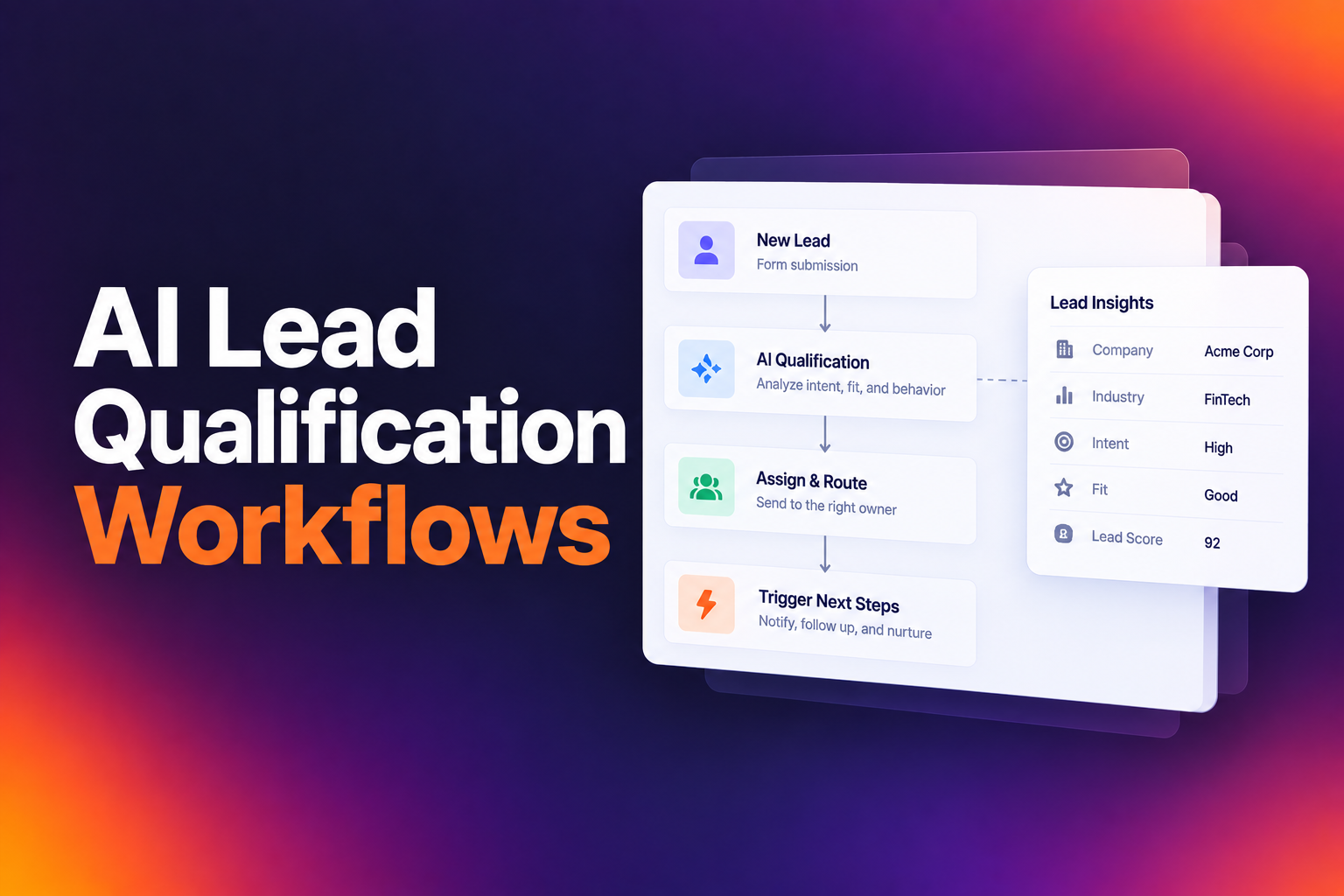
- Every form submission should trigger an automated process that calculates the lead score. Integration with your CRM should be seamless, allowing data to flow in real time without manual intervention.
- Set Up Smart Routing Rules:
- Based on the computed score, immediately assign the lead to the appropriate team member. Use pre-defined rules that consider factors such as geographic location, product interest, and rep availability. This reduces lag time and ensures the right engagement at the right moment.
- Monitor and Adjust in Real Time:
- Utilize detailed reporting to track what’s working and what isn’t. Regular review meetings should be held to analyze performance data, adjust scoring thresholds, and refine routing logic. This continuous improvement cycle is essential for maintaining high conversion rates.
- Test for Performance:
- Before fully implementing any new routing logic, use A/B testing to see which configuration yields higher conversion rates. Iteration plays a crucial role in fine-tuning the entire sales flow.
By following these steps, you not only streamline your operations but also build a system that adapts to the nuances of inbound lead behavior. As a killer example of operational efficiency, teams using predictive lead scoring often report a 20% increase in revenue based on recent studies.
Practical Operational Insights
Consider a scenario where your lead scoring system flags a prospect as high priority. Instead of a slow routing process, the integrated approach directly surfaces the correct calendar availability on the thank-you page. This creates a frictionless booking experience that converts high-potential leads into confirmed demos.
These teams rarely leave any margin for error by relying on automated handoffs. The resulting system is an ecosystem where every touchpoint is optimized for speed and efficiency, and every lead feels personally attended to.
The Benefits of Combined Methods in Real-World Scenarios
After thoroughly evaluating both lead scoring and routing rules as separate components, it’s time to spotlight the real benefits that emerge from combining them. A unified approach not only captures value from each lead but accelerates the entire sales cycle.
RevenueHero harnesses a dual-pronged strategy that both scores and routes leads in real time, ensuring that a prospect’s enthusiasm is met with equally swift action.
Boosting Conversion Rates
When prospects can book their demo instantly after listing their details, conversion rates soar. Integrated systems have been shown to lift conversion rates by as much as 25%, simply because the initial moment of engagement is preserved. There’s no waiting. Instead, the lead immediately sees a personalized calendar interface that matches their specific needs.
This results in a dramatic improvement in buyer experience. Instead of waiting for a generic follow-up email, prospects are prompted to schedule a meeting right when the interest is at its peak.
Operational Efficiency at Scale
Sales teams often spend too much time chasing leads. With automated routing, administrative tasks are minimized. This makes it easier for reps to focus on high-value interactions rather than manual lead management processes.
The impact is clear. Instead of inspecting a CRM for hours, high-velocity teams rely on real-time alerts and automated meeting setups. The net result is enhanced efficiency and a clearer focus on closing deals. By freeing up time, reps can genuinely engage with prospects without the distractions of operational delays.
Acceleration of the Sales Cycle
Speed matters. In a typical sales cycle, every extra minute counts. Delays in lead follow-up not only cool the prospect's enthusiasm but also give room for second thoughts. When lead scoring is powerful and routing is instant, each step of the sales process is compressed, resulting in a shorter sales cycle.
This acceleration of the booking process is crucial for maintaining competitive momentum. In today’s environment, the prospect’s attention span is short. The integrated system capitalizes on that brief window of engagement, ensuring that the window of opportunity is never missed.
How RevenueHero Supports This Integration
RevenueHero is built on the principle of harnessing automation to drive inbound conversion. It’s not just about technology-it’s about creating a system that syncs every component of your sales cycle. The integration of AI-powered lead scoring with intelligent routing rules forms the core of this approach.
RevenueHero ensures that every time a prospect interacts with your demo form, the chain of scoring, routing, scheduling, and reporting fires in unison. It eliminates the friction that typically plagues long wait times for follow-ups.
Embedding Scheduling Experiences Immediately After Form Submission
RevenueHero’s platform is designed to immediately transform a lead’s submission into a personalized scheduling interface. Instead of leaving a prospect with a generic thank-you page, the system automatically presents available time slots that match the right specialist’s calendar. This tangible shift from engagement to a booked meeting significantly reduces drop-off rates.
The platform’s design directly addresses the follow-up gap. No more waiting around for manual assignment. Instead, the system instantly reveals which rep is on hand to move the conversation forward, creating a seamless workflow that benefits both the buyer and the sales team.
Granular Reporting and Data-Driven Adjustments
Every step of the process is logged. Detailed insights are compiled into reports that are available to the revenue team in real time. These insights enable leaders to see where the funnel might be leaking and adjust scoring criteria on the fly. The feedback loop is vital: every adjustment you make is backed by concrete data, ensuring that your routing rules adapt to changing prospect behaviors.
This system not only optimizes the initial connection but also feeds into future strategies, closing the loop between prospect behavior and GTM tactics.
Smooth Transitions Between Sales Roles
Often, it’s not just about scoring and assigning but also ensuring that leads move through the sales funnel without interruption. RevenueHero's routing logic facilitates seamless handoffs between SDRs and AEs. When a prospect’s complexity increases, the system ensures an effortless transfer, thus guaranteeing a consistent and positive buying experience.
This smooth transition minimizes the risk of dropping a lead when switching teams. Mature teams know that these handoffs are critical moments, and automation helps preserve the prospect’s momentum while maintaining personalized engagement.
The Future of Lead Management: Evolving Together
The integration of lead scoring with intelligent routing is not a static process. It’s an evolving strategy that grows with your business needs. As market dynamics shift, the systems supporting your GTM efforts must adapt to stay effective.
Future-ready teams are investing in solutions that offer deep integration between AI insights and operational execution. With real-time data and instantaneous routing, the sales cycle becomes an agile process, responsive to every nuance of buyer behavior.
Capitalizing on Data Trends
Data volumes are set to grow exponentially, and companies that rely solely on manual processes risk being overwhelmed. By integrating automated lead scoring with routing rules, teams can harness predictive analytics to drive smarter, faster decisions. This is where platforms like RevenueHero step in, ensuring that the entire inbound conversion process is as efficient as possible.
For instance, the latest industry reports show that companies using predictive lead scoring see a 20% increase in revenue compared to traditional methods. These statistics are not abstract numbers; they represent real improvements in how prospects are handled-from the moment they submit a form to the point of a booked, high-quality demo.
Staying Ahead Operationally
High-velocity teams recognize that every touch matters. An effective integration of lead scoring and routing ensures that no opportunity slips through. This isn’t about working harder; it’s about setting up systems that work smarter to capture revenue opportunities.
With a focus on immediate action and consistent follow-through, these teams are leveraging automation to remove friction throughout the buyer’s journey. They align all departments-from marketing to sales-to work in concert with real-time insights and automated workflows. This integrated approach is the cornerstone of a modern, agile revenue organization.
Wrapping It All Together
The fusion of lead scoring and routing rules represents a seismic shift in GTM workflows. It’s where data meets operational efficiency, transforming how prospects move from initial interest to a scheduled demo. The combined method addresses the pain points that have long plagued traditional sales processes-lagging follow-up, misrouted leads, and administrative delays.
RevenueHero’s approach is a testament to the power of automation. By embedding personalized scheduling immediately after form submissions and automating follow-ups and rep notifications, the platform eradicates the follow-up gap. The result is a smoother, faster, and more reliable sales funnel that drives higher conversion rates and accelerates revenue growth.
The New Standard for Inbound Conversion
The new standard is clear: no more waiting, no more delays. Integrated systems that combine lead scoring with smart routing are the future of high-conversion inbound conversion. If you’re still relying on manual processes or disjointed funnels, the conversation needs to turn to automation.
Adopting this integrated approach means saying goodbye to missed opportunities and hello to a system where every lead is handled with precision and speed. It’s about ensuring that your team is always ready to respond, making every prospect interaction count.
Your Next Steps Toward Operational Excellence
The path forward involves a critical evaluation of your current lead management workflows. Ask yourself:
- Are leads being scored accurately and in real-time?
- Do your routing rules ensure the right rep gets the right lead immediately?
- How much time is spent manually handling follow-ups and assignments?
Answering these questions is the first step toward building a system that works efficiently. The goal is clear: streamline the process from initial engagement to scheduled demo. This will not only drive conversion rates but also free up valuable time for high-impact activities.
Final Thoughts
When it comes to integrating lead scoring with routing rules, the benefits are undeniable. The operational efficiency, accelerated sales cycle, and seamless buyer experience all contribute to a robust revenue process. High-velocity teams are already reaping these rewards by eliminating gaps in the process, ensuring each prospect receives immediate, personalized attention.
The integration of these two systems isn’t just an upgrade-it’s a fundamental shift in handling inbound leads. RevenueHero’s platform epitomizes this approach by embedding instant scheduling, smart lead assignment, and data-driven reporting into one cohesive system.
If you want to remain competitive, ensuring every lead is met with immediate action is crucial. This isn’t about chasing after every prospect; it’s about setting up a process so solid that opportunities materialize effortlessly. In the end, a well-integrated system empowers your sales team to focus on what they do best-closing deals.
Start by breaking down existing workflows, implementing clear scoring metrics, and establishing automated routing. This transformation is more than just an operational tweak. It’s a strategic realignment toward faster, data-backed decision-making designed to capture every prospect at their peak interest.
Ready for a shift? Explore more about how to optimize your inbound conversion strategies with automated lead capture and smart routing at RevenueHero. Embrace the power of automation and let your team focus on building relationships rather than chasing prospects.
Let RevenueHero help your team turn high-intent users into booked meeting without slowing down your funnel.