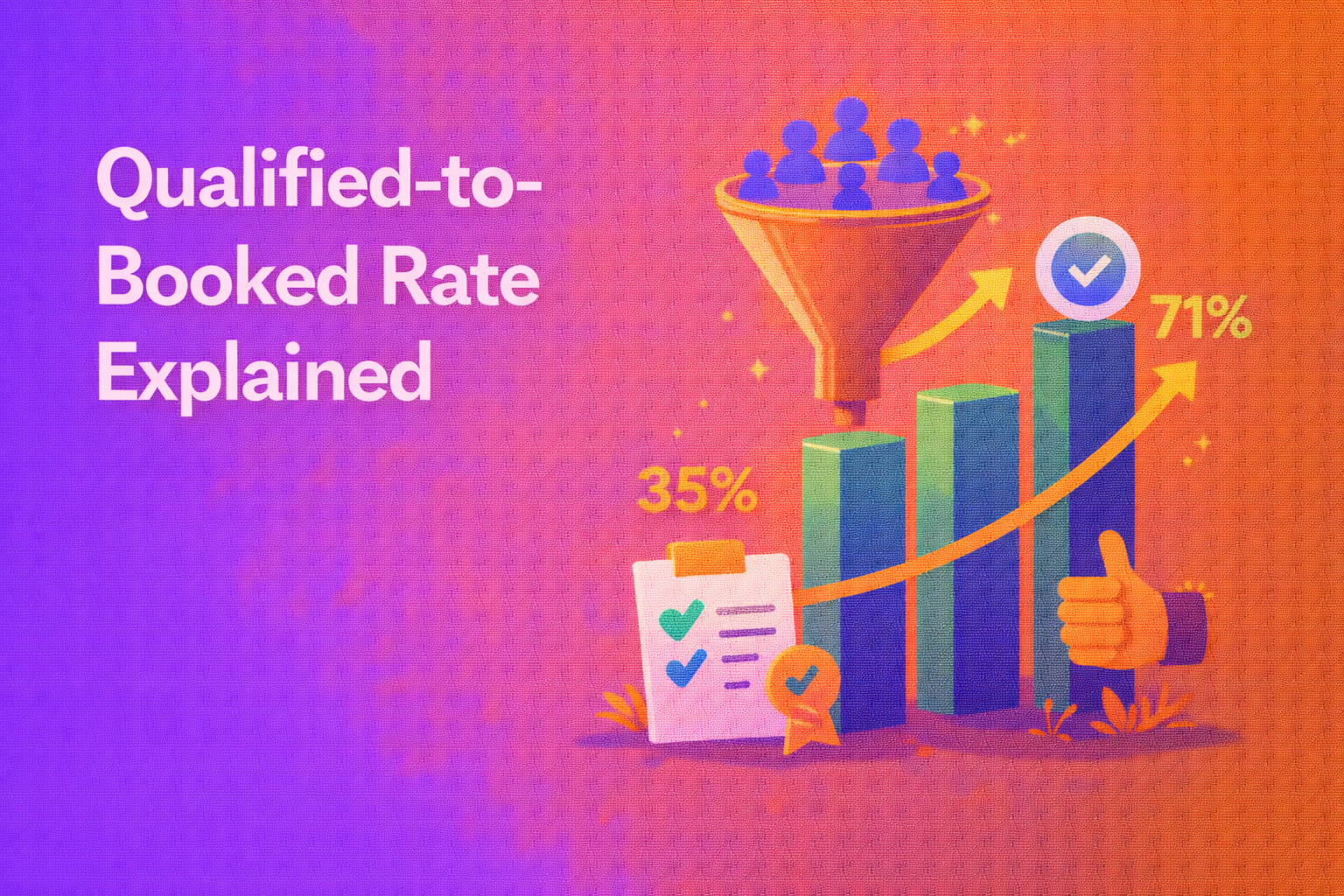
A marketing team drives 1,000 qualified leads to sales each quarter. The reps follow up, send emails, make calls, and eventually book 350 meetings. That's a 35% conversion rate from qualified leads to booked meetings. Is that good? Bad? Average?
Most teams can't answer that question because they've never had a reliable benchmark. They assume whatever they're hitting is normal. The reality is that top-performing B2B SaaS companies convert 78% or more of their qualified leads into booked meetings. The gap between 35% and 78% on the same traffic, same spend, and same leads comes down to what happens in the 30 seconds after someone raises their hand.
Understanding your qualified-to-booked rate explained in concrete terms gives you a diagnostic tool for your entire revenue operation. This metric reveals whether your qualification criteria match your sales motion, whether marketing and sales are aligned on what "qualified" actually means, and whether your scheduling process creates unnecessary friction. When RevOps teams ask "how do we stack up?" this is the number that answers the question.
Defining the Qualified-to-Booked Rate
The qualified-to-booked rate measures the percentage of leads deemed sales-ready that actually schedule a meeting with a rep. It's a conversion metric that sits at a critical juncture in your funnel: the handoff point where marketing's work meets sales execution.
This rate excludes unqualified leads entirely. You're not measuring raw form fills or website visitors. You're measuring leads that have already passed your qualification criteria and should, in theory, be ready for a sales conversation. When this number drops, the problem isn't lead quality: it's what happens after qualification.
The Difference Between MQLs, SQLs, and SALs
Marketing Qualified Leads hit certain engagement or demographic thresholds that marketing sets. They downloaded content, attended a webinar, or matched target firmographics. MQLs represent interest, not intent.
Sales Qualified Leads have been reviewed by sales and confirmed as genuine opportunities worth pursuing. SQLs represent validated fit and buying potential. The qualification usually involves a conversation or deeper enrichment data.
Sales Accepted Leads fall between these stages. SALs are MQLs that sales has agreed to work but hasn't fully qualified yet. They're in the queue, waiting for outreach.
Your qualified-to-booked rate should measure from the point where leads are genuinely sales-ready. For most teams, that means SQLs or SALs, not raw MQLs. Measuring from MQLs inflates your denominator with leads that were never truly qualified.
Calculating the Conversion Percentage
The formula is straightforward: divide booked meetings by qualified leads, then multiply by 100.
If you qualified 500 leads last month and booked 310 meetings, your rate is 62%. That's the median across RevenueHero customers based on 12 months of data from over one million form submissions.
Track this weekly and monthly. Daily fluctuations create noise, but weekly trends reveal whether process changes are working. Segment by lead source, rep, and region to identify where conversion breaks down.
Why This Metric Matters for Sales Velocity
Sales velocity measures how quickly revenue moves through your pipeline. The qualified-to-booked rate directly impacts the first stage of that equation: getting opportunities into the pipeline at all.
A 10-point improvement in your booking rate on the same lead volume creates compounding effects. More meetings mean more opportunities, which mean more closed deals, which mean more revenue without additional marketing spend. You're extracting more value from existing demand.
Identifying Bottlenecks in the Sales Funnel
When qualified-to-booked rates drop, the problem usually sits in one of three places: response time, scheduling friction, or misaligned qualification.
Response time is the most common culprit. Data consistently shows that leads contacted within five minutes are far more likely to book than those contacted after an hour. If your reps are manually reviewing queues and sending follow-up emails, you're introducing delays that kill conversion.
Scheduling friction appears when booking requires email back-and-forth. Every additional step between "yes, I want to talk" and "meeting confirmed" creates drop-off. The best performers let prospects book instantly while their intent is highest.
Misaligned qualification happens when marketing passes leads that sales doesn't actually want. If reps are declining meetings or letting qualified leads go cold, your qualification criteria need revision.
Measuring Marketing and Sales Alignment
The qualified-to-booked rate exposes alignment problems that other metrics hide. If marketing celebrates high MQL volume while sales complains about lead quality, this metric tells the truth.
Strong alignment produces consistent booking rates across lead sources. When certain campaigns or channels show dramatically lower conversion, either the qualification criteria aren't applied consistently or marketing is targeting the wrong audience.
Review this metric in joint marketing-sales meetings. Make it a shared KPI rather than a finger-pointing exercise.
Common Benchmarks and Industry Standards
Based on analysis of over one million inbound form fills across B2B SaaS companies, the median qualified-to-booked rate is 62%. The top 10% of performers hit 78% or higher. The best hit 88%.
These numbers vary by vertical. Construction Tech leads at 70% median. Security and Compliance sits at 60%. Dev Tools trails at 55%. Vertical SaaS consistently outperforms horizontal SaaS because buyers have clearer intent and sellers have more targeted positioning.
Company stage matters too. Enterprise-focused companies hit 70.1% median, likely because their longer sales cycles justify more rigorous qualification upfront. SMB-focused companies average 63.2%.
If your team converts at 30-40% and assumes that's normal, the data says you're leaving significant pipeline on the table.
Strategies to Improve Qualified-to-Booked Ratios
Improvement comes from three areas: speed, scoring accuracy, and scheduling automation. Most teams have room to improve in all three.
Optimizing Lead Response Time
The gap between 35% and 78% conversion is often determined by the 30 seconds after form submission. Do prospects see a calendar, or do they see a "thanks, we'll be in touch" message?
Instant response means instant scheduling. When a qualified lead submits a form, they should immediately see available time slots. No email confirmation. No "someone will reach out." The calendar appears while intent is highest.
RevenueHero customers who implement instant scheduling report booking 75% or more of qualified inbounds the same day, up from around 40% with manual processes. The technology exists to eliminate response time as a variable entirely.
Refining Lead Scoring Criteria
Counterintuitively, companies with higher disqualification rates often have higher booking rates on qualified leads. A 71% DQ rate correlates with 71% booking rates in the benchmark data.
Being selective about who reaches sales means reps aren't wasting time on poor fits. The leads who make it through are more engaged and more likely to show up.
Review your qualification criteria quarterly. Ensure they're filtering out poor fits rather than just adding friction. If you're selling enterprise deals where bad meetings cost hours of rep time, higher DQ rates make sense. If you're running high-velocity SMB motions, you can be more inclusive.
Automating the Meeting Scheduling Process
Manual scheduling introduces delays at every step. Rep reviews lead. Rep sends email. Lead responds. Rep proposes times. Lead picks one. Rep confirms. Days pass. Intent decays.
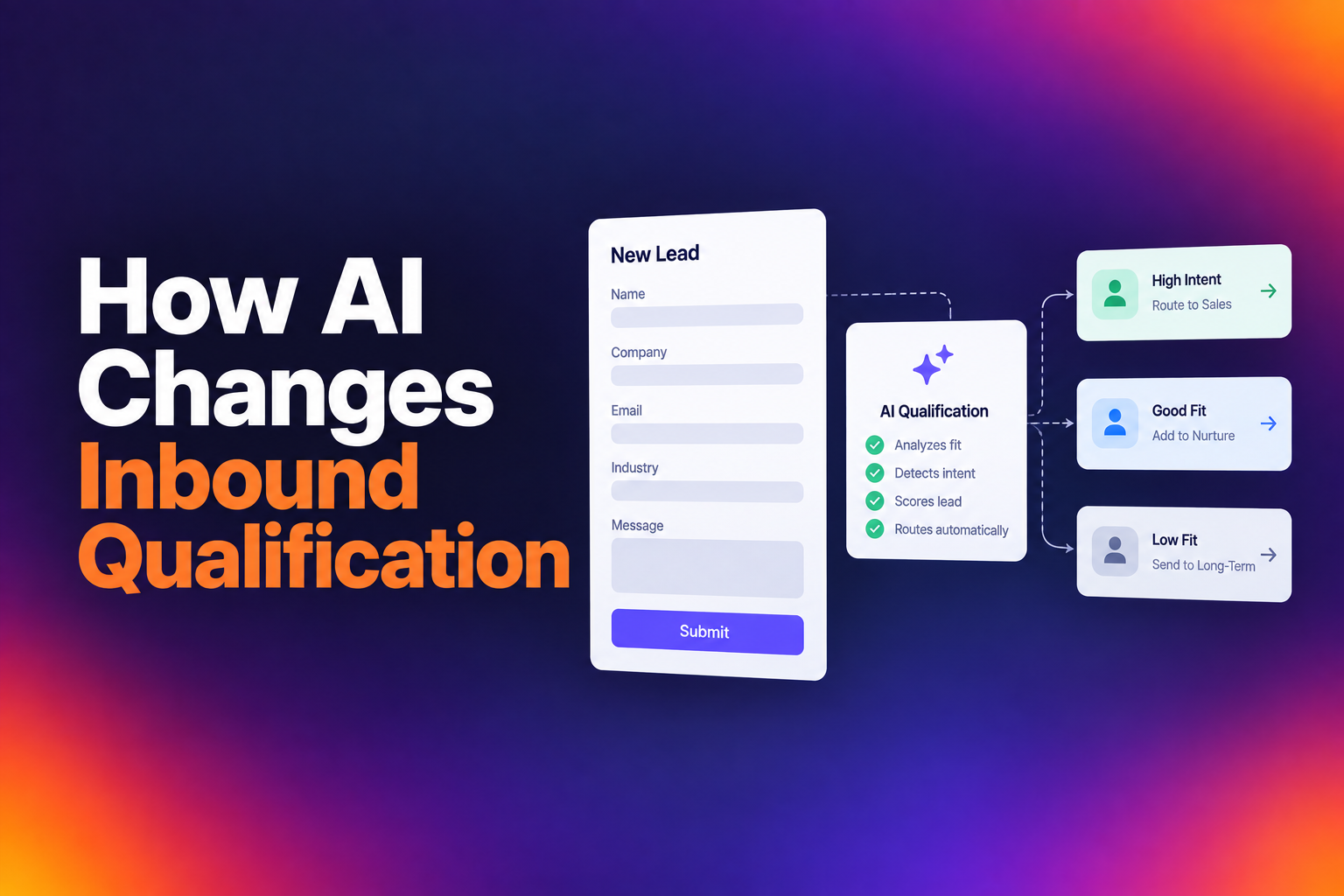
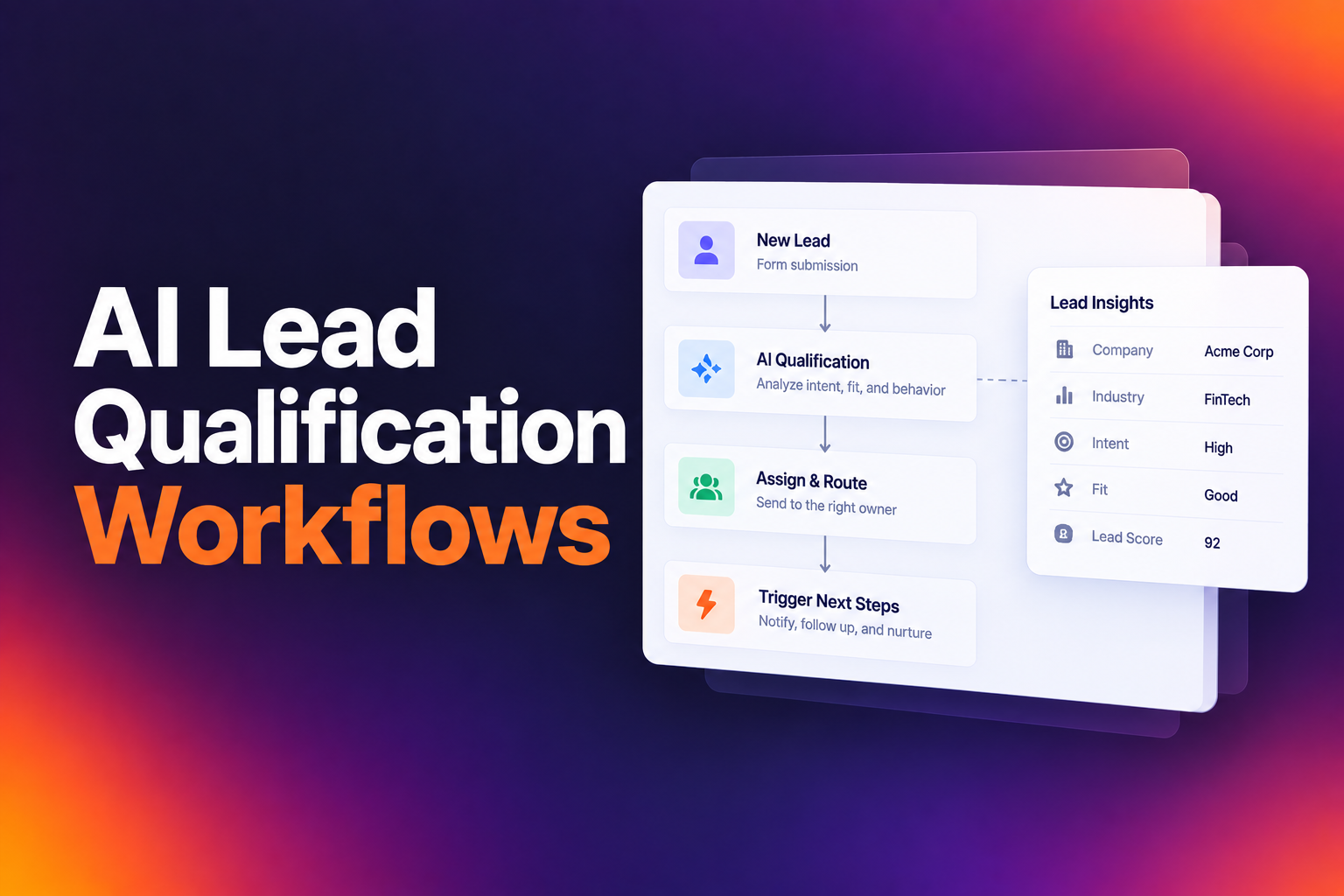
Automated scheduling collapses this into a single step. Leads are qualified in real-time using form responses, enrichment data, and CRM history. No manual review queue. The moment someone submits, they know if they qualify and can book immediately.
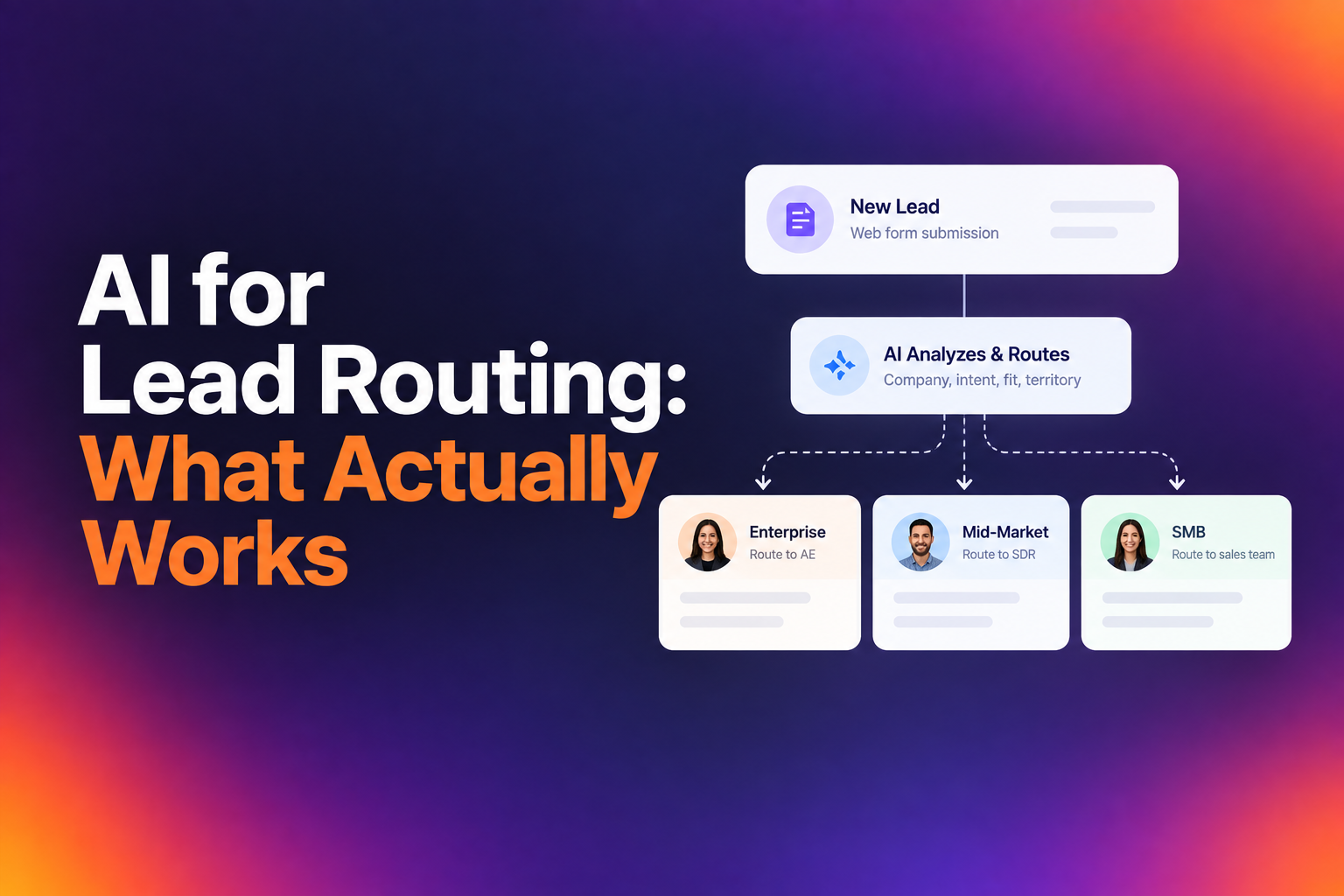
Routing matters too. Leads should reach the right rep instantly based on territory, product interest, or account match. Ownership rules should respect existing CRM relationships rather than defaulting to simple round-robin.
Tools for Tracking and Reporting Performance
Your CRM should be the system of record, but most CRMs don't calculate qualified-to-booked rates automatically. You'll need to build reports or use tools that sync meeting data back to lead records.
Track booking rates by source, campaign, rep, and time period. Look for patterns: which sources convert best? Which reps book at higher rates? Do certain days or times perform better?
Automated logging eliminates the data gaps that make this analysis impossible. When meetings sync back to CRM instantly, you get real-time visibility into pipeline health without relying on reps to update records manually.
Future-Proofing Your Sales Pipeline Efficiency
The companies in the top 10% of conversion benchmarks made a specific choice: they stopped treating inbound scheduling as an afterthought and started treating it as a conversion event.
That shift requires infrastructure. Real-time qualification. Instant routing. Embedded scheduling. CRM sync. These aren't nice-to-haves anymore. They're the operational foundation that separates 40% converters from 78% converters.
The benchmark data is clear. A 62% median is achievable with proper process. The top performers prove that 78% or higher is realistic. If you're significantly below these numbers, the problem isn't your leads or your product. It's the friction between form fill and booked meeting.
Start by measuring your current rate accurately. Segment by source and rep. Identify where conversion breaks down. Then systematically remove friction from each step. The teams that do this work don't just improve their booking rates: they fundamentally change their unit economics on every marketing dollar spent.
Let RevenueHero help your team turn high-intent users into booked meeting without slowing down your funnel.