A 40% qualified-to-booked rate feels acceptable until you realize top performers are converting at nearly double that number. The gap between average and excellent isn't about lead quality or market conditions. It's about what happens in the 30 seconds after someone fills out your form.
Understanding lead-to-meeting conversion benchmarks for 2025 matters because most teams are working with outdated assumptions. The "industry standard" numbers passed around in planning meetings often come from an era of manual review queues and 48-hour response times. With instant scheduling and real-time qualification, the floor has risen dramatically. Data from over one million B2B SaaS form submissions shows the median qualified-to-booked rate now sits at 62%, while the top 10% of performers hit 78% or higher. The best reach 88%.
If your team hovers around 35-40% and considers that normal, you're leaving significant pipeline on the table. The same traffic, same spend, and same leads can produce radically different results based on how you handle the conversion moment. This isn't theoretical. It's the difference between treating form fills as a starting point for follow-up versus treating them as the conversion event itself.
The 2025 B2B Landscape: Current Conversion Averages
The qualified-to-booked benchmark has shifted upward across B2B SaaS. Companies still operating with legacy processes assume 35-40% represents solid performance. That number reflects a world of back-and-forth email scheduling and delayed responses. With modern infrastructure, the median across high-performing companies reaches 62%, with top quartile performers hitting 72%.
This shift didn't happen because leads got better. It happened because the handoff between qualification and scheduling collapsed into a single moment. Companies that automate this transition see their conversion rates climb 15-25 percentage points without changing their traffic sources or qualification criteria.
Inbound vs. Outbound Conversion Rates
Inbound leads convert at significantly higher rates than outbound because intent already exists. Someone requesting a demo has self-selected. They've researched, compared options, and decided to raise their hand. The question isn't whether they're interested but whether you can capitalize on that interest before it fades.
Outbound conversion to meeting typically runs 2-5% from initial contact, requiring multiple touches across channels. Inbound qualified-to-booked rates should exceed 60% if your process doesn't introduce unnecessary friction. The gap exists because outbound requires building interest while inbound requires preserving it.
Industry-Specific Benchmarks for SaaS and Services
Vertical software consistently outperforms horizontal solutions. Construction Tech leads at 69.1% qualified-to-booked. Ecommerce follows at 68.8%. Travel Tech hits 68.3%. Generic Sales Tech sits lower at 62.8%.
The pattern holds across funding stages too. Unfunded and seed-stage companies convert at 63.6%, while Series D and PE-backed companies reach 66.8%. Series A and B companies often struggle more, converting at 53.6% and 55.3% respectively. The advantage comes from clarity: when you sell to a specific audience, qualification becomes straightforward and prospects understand whether they fit.
Critical Factors Influencing Lead-to-Meeting Success
Conversion rates don't improve through wishful thinking. They improve through systematic attention to the moments where leads slip away. Three factors consistently separate high performers from the rest: response speed, lead source quality, and follow-up discipline.
Speed-to-Lead and the Five-Minute Rule
The five-minute rule isn't a suggestion. Response time directly correlates with conversion probability. Leads contacted within five minutes are 21 times more likely to convert than those contacted after 30 minutes. After an hour, the opportunity has largely evaporated.
This doesn't mean sending an automated email counts as contact. It means presenting a calendar and booking the meeting while intent remains high. The companies hitting 78%+ conversion rates aren't faster at manual follow-up. They've eliminated the delay entirely by qualifying and scheduling in the same interaction.
The Impact of Lead Source and Intent Data
Not all leads carry equal intent. A pricing page visitor requesting a demo signals stronger buying readiness than someone downloading a whitepaper. Enrichment data reveals company size, technology stack, and funding stage, helping you identify which leads deserve immediate attention.
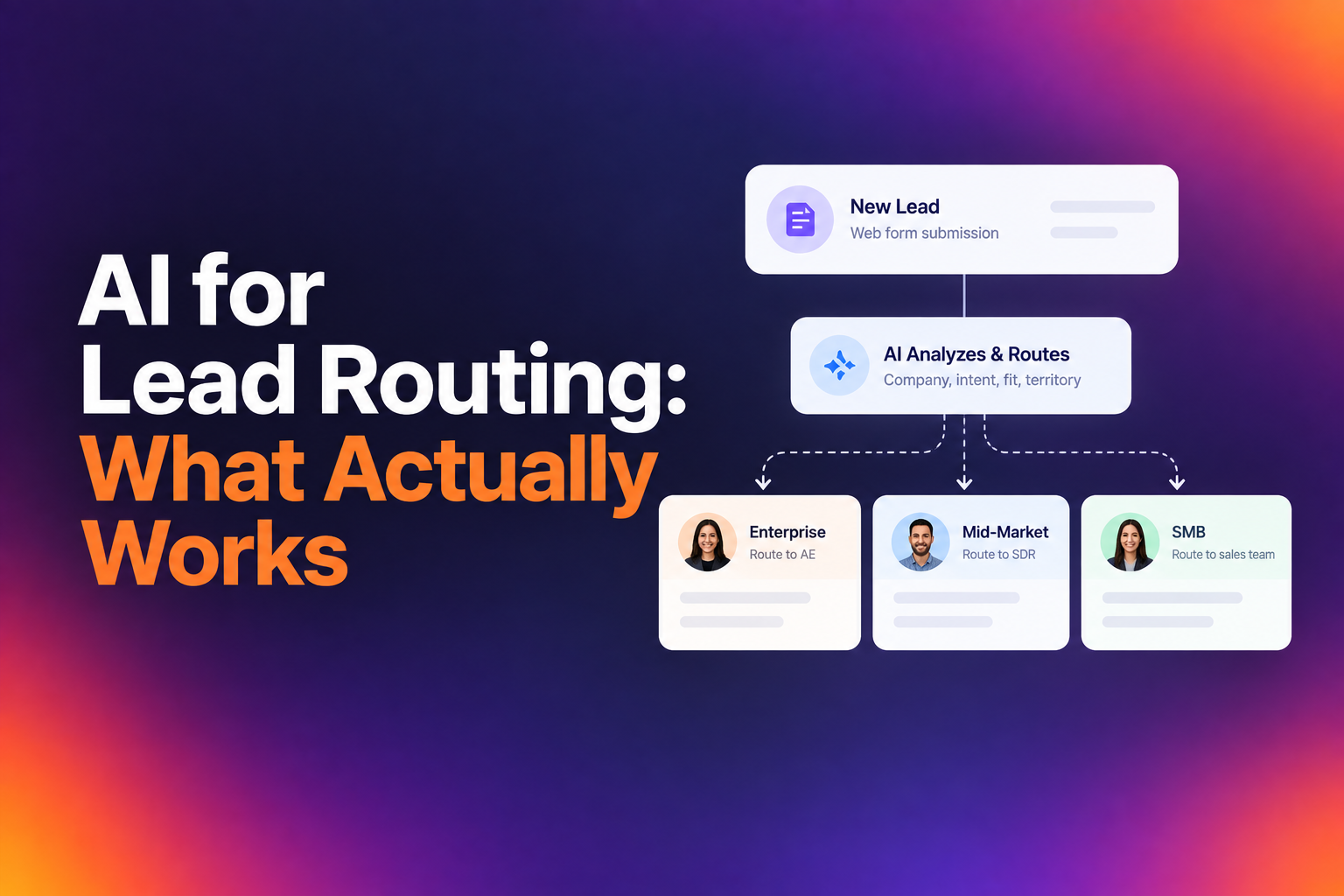
Top performers use this data in real-time. They don't batch-process leads through a review queue. They qualify instantly using form responses combined with enrichment signals, then route to the appropriate rep without human bottlenecks. This approach ensures high-intent leads never wait for someone to manually assess their fit.
Multi-Channel Follow-Up Cadences
When instant scheduling isn't possible, structured follow-up becomes essential. The best cadences combine email, phone, and LinkedIn touches over 10-14 days. They vary timing and messaging rather than repeating the same template.
Re-engagement matters too. Leads who don't book immediately aren't necessarily lost. They may have encountered a scheduling conflict or needed internal approval. Automated sequences that offer rescheduling options can recover 10-15% of initially stalled opportunities.
The Role of AI and Automation in Meeting Scheduling
Automation has moved beyond simple calendar links. Modern systems qualify, route, and schedule without human intervention, compressing what once took days into seconds. This isn't about replacing human judgment but about applying it at the right moment.
AI SDRs and Autonomous Qualification
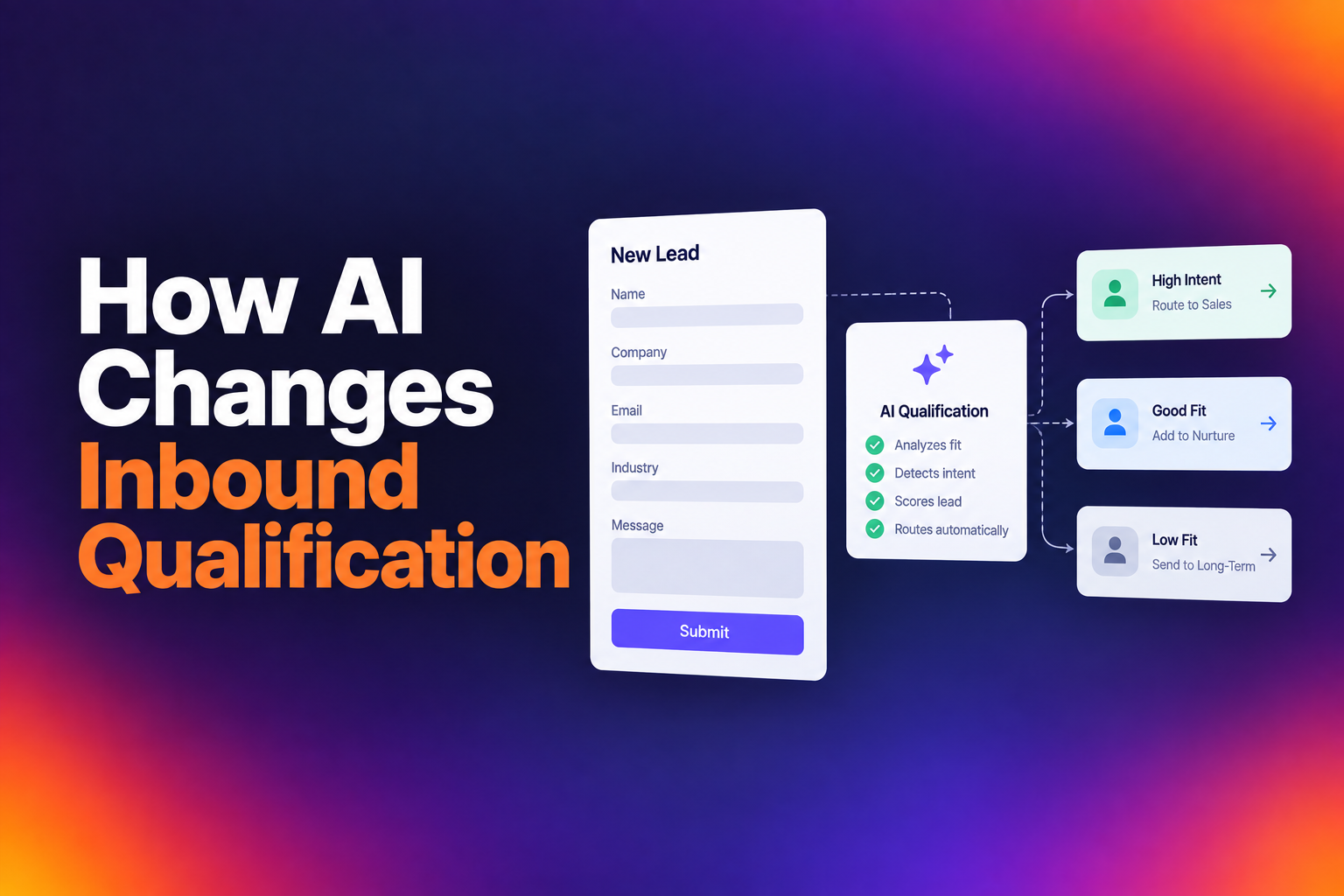
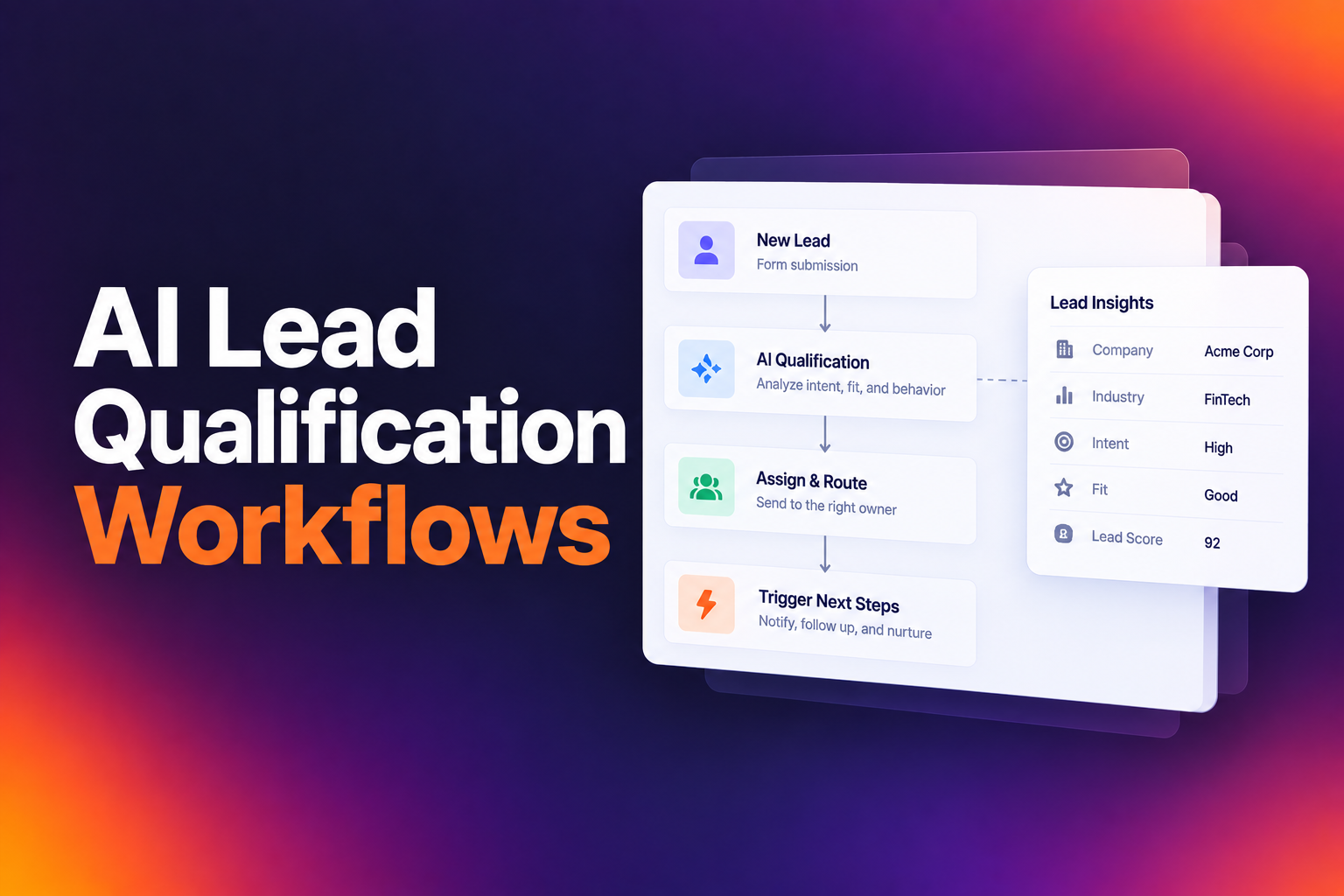
AI-powered qualification evaluates leads against your criteria instantly. Form responses, firmographic data, and CRM history combine to determine fit. Qualified leads see a calendar immediately. Disqualified leads receive appropriate nurture paths.
The key is setting qualification thresholds correctly. If your disqualification rate runs under 20% and meeting rates struggle, you're likely letting through leads that waste rep time. If disqualification exceeds 40%, you may be filtering out genuine opportunities. Review and adjust quarterly based on downstream conversion data.
Self-Service Booking vs. Manual Outreach
Self-service booking removes the friction that kills conversion. When a qualified lead can select a time slot immediately, they're 2-3x more likely to actually show up compared to leads who receive a "we'll be in touch" message.
RevenueHero customers see this play out consistently. Teams that implement instant scheduling report booking 75% or more of qualified inbounds the same day, up from around 40% with manual processes. The improvement comes from eliminating the gap between intent and action.
Optimizing the MQL to SQL Handover Process
The handover between marketing and sales represents one of the leakiest points in most funnels. Leads sit in queues. Ownership disputes arise. Response times balloon. Each delay reduces the probability of conversion.
Defining High-Intent Conversion Triggers
High-intent triggers should initiate immediate action. Demo requests, pricing page visits combined with form fills, and return visits from previously engaged contacts all signal readiness. These leads shouldn't enter a general queue. They should route directly to available reps with calendar availability.
Define these triggers explicitly and automate the response. A lead requesting a demo at 2 PM shouldn't wait until someone reviews the queue at 5 PM. They should see available time slots within seconds of submitting their information.
Reducing Friction in the Discovery Call
Friction extends beyond scheduling. If reps spend the first ten minutes of discovery calls gathering information already captured in the form, you've wasted both parties' time. Pre-call intelligence should include form responses, enrichment data, and any prior engagement history.
The best discovery calls start with context already established. Reps can immediately address the prospect's specific situation rather than running through basic qualification questions. This respect for the prospect's time improves both conversion rates and deal velocity.
Measuring and Improving Your Funnel Velocity
Conversion rate tells part of the story. Funnel velocity tells the rest. A 60% conversion rate means little if the average time from form fill to booked meeting stretches to five days. Speed and percentage work together to determine actual pipeline generation.
Key Performance Indicators Beyond Conversion Rate
Track time-to-meeting alongside conversion rate. Measure show rates separately from booking rates. Monitor the gap between form submission and calendar presentation. Each metric reveals different optimization opportunities.
Disqualification rate deserves attention too. Top performers maintain disqualification rates between 20-30%, filtering out poor fits while preserving genuine opportunities. If your rate sits outside this range, examine your qualification criteria and form design.
Strategies for Re-engaging Stalled Leads
Stalled leads aren't dead leads. They're opportunities waiting for the right moment. Automated re-engagement sequences should trigger when leads don't book within 48 hours, offering alternative times and addressing common objections.
Reschedule automation matters equally. When meetings get canceled, immediate follow-up with new time options recovers a significant percentage of lost opportunities. The companies hitting top-decile conversion rates have systematized every recovery path, ensuring no qualified lead falls through the cracks due to scheduling friction.
Building Your 2025 Conversion Strategy
The benchmarks are clear: 62% represents median performance, 78% marks the top 10%, and 88% proves what's possible. If your current numbers fall short, the path forward involves eliminating delays between qualification and scheduling, using intent data to prioritize high-value leads, and automating every handoff that currently requires manual intervention.
Start by measuring your current qualified-to-booked rate accurately. Compare against your industry segment using the benchmarks above. Identify where leads stall or drop off. Then systematically address each friction point, beginning with the 30 seconds after form submission. That moment determines whether your conversion rates stay average or climb toward what top performers achieve.
Let RevenueHero help your team turn high-intent users into booked meeting without slowing down your funnel.