Most B2B teams spend months refining their ad copy, targeting, and content strategy to drive qualified traffic to a form. Then the form gets filled out, and the lead enters a queue. Someone reviews it. Maybe an email goes out. Maybe the lead responds. Days pass, intent fades, and the meeting that should have happened never does. The gap between a 35% qualified-to-booked rate and a 78% rate isn't about better leads or bigger budgets. It's about what happens in the 30 seconds after someone clicks a button. AI is reshaping how inbound qualification works, and the teams paying attention are pulling ahead fast. Based on 12 months of data from over one million B2B SaaS form submissions, the top 10% of companies book nearly 8 out of 10 qualified leads into meetings. The median sits at 62%. The best performer hits 88%. If your team converts at 30-40% and assumes that's normal, it isn't. You're leaving real pipeline on the table, and the fix has more to do with process architecture than lead quality.
The Decay of Intent: Why Manual Qualification Fails Modern GTM Teams
A lead fills out a form. The form goes to a queue. Someone manually reviews it, maybe routes it, maybe emails the lead back. The lead might respond. This sequence, which feels standard, is the single biggest conversion killer in most B2B funnels.
The problem is structural. Manual qualification workflows were designed for a world where buyers waited patiently for a sales rep to reach out. That world doesn't exist in 2026. Your prospects are evaluating three to five vendors simultaneously. By the time a rep follows up 24 hours later, the prospect has already booked a demo with a competitor who responded in under a minute.
The 30-Second Window and the Gap Between 35% and 78% Conversion
The old "five-minute rule" for lead response is dead. Conversion probability drops from roughly 80% in the first minute to around 40% by the next day. The companies in the top 10% of inbound conversion made a specific choice: they stopped treating scheduling as an afterthought and started treating it as a conversion event.
That 30-second window after a form fill determines everything. Does the prospect see a calendar, or do they see a "thanks, we'll be in touch" message? The difference between those two experiences accounts for the gap between 35% and 78% qualified-to-booked rates, on the same traffic, the same spend, the same leads.
How Permission Language and 'Request a Demo' Buttons Create Friction
Language matters more than most teams realize. Among top-performing companies, 29% use "Book a Demo," 21% use "Get a Demo," and 12% use "Schedule a Demo." Only 12% use "Request a Demo."
The pattern is clear: commitment language outperforms permission language. "Request" and "Submit" create uncertainty. They imply a gatekeeper, a wait, a maybe. "Book," "Schedule," and "Reserve" create commitment. The visitor mentally crosses from "considering" to "doing" while they're still on your page. Search your site for every instance of "Request" and "Submit," replace them with commitment language, and track the impact. It's a five-minute fix with measurable results.
Replacing Manual Queues with AI-Driven Instant Qualification
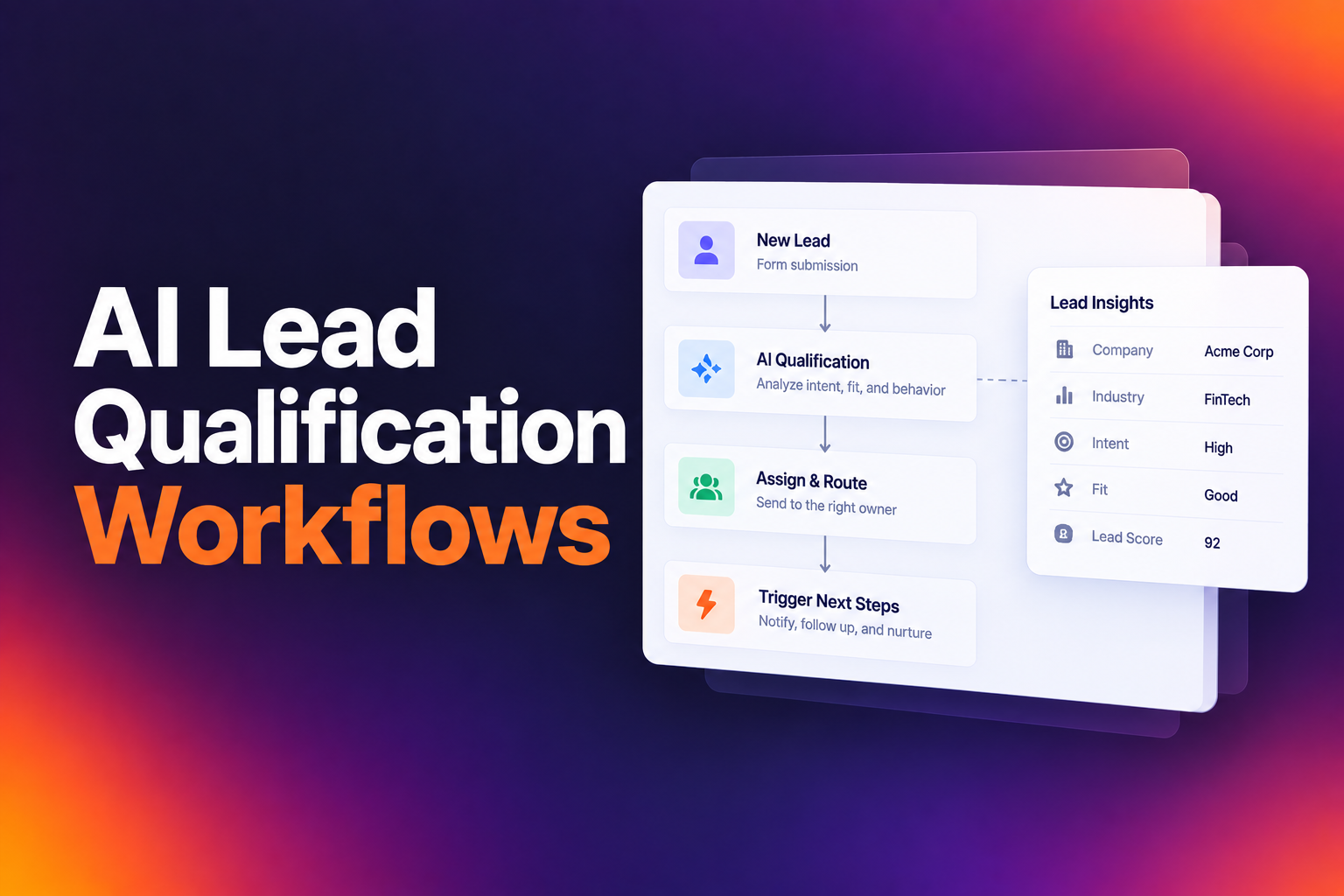
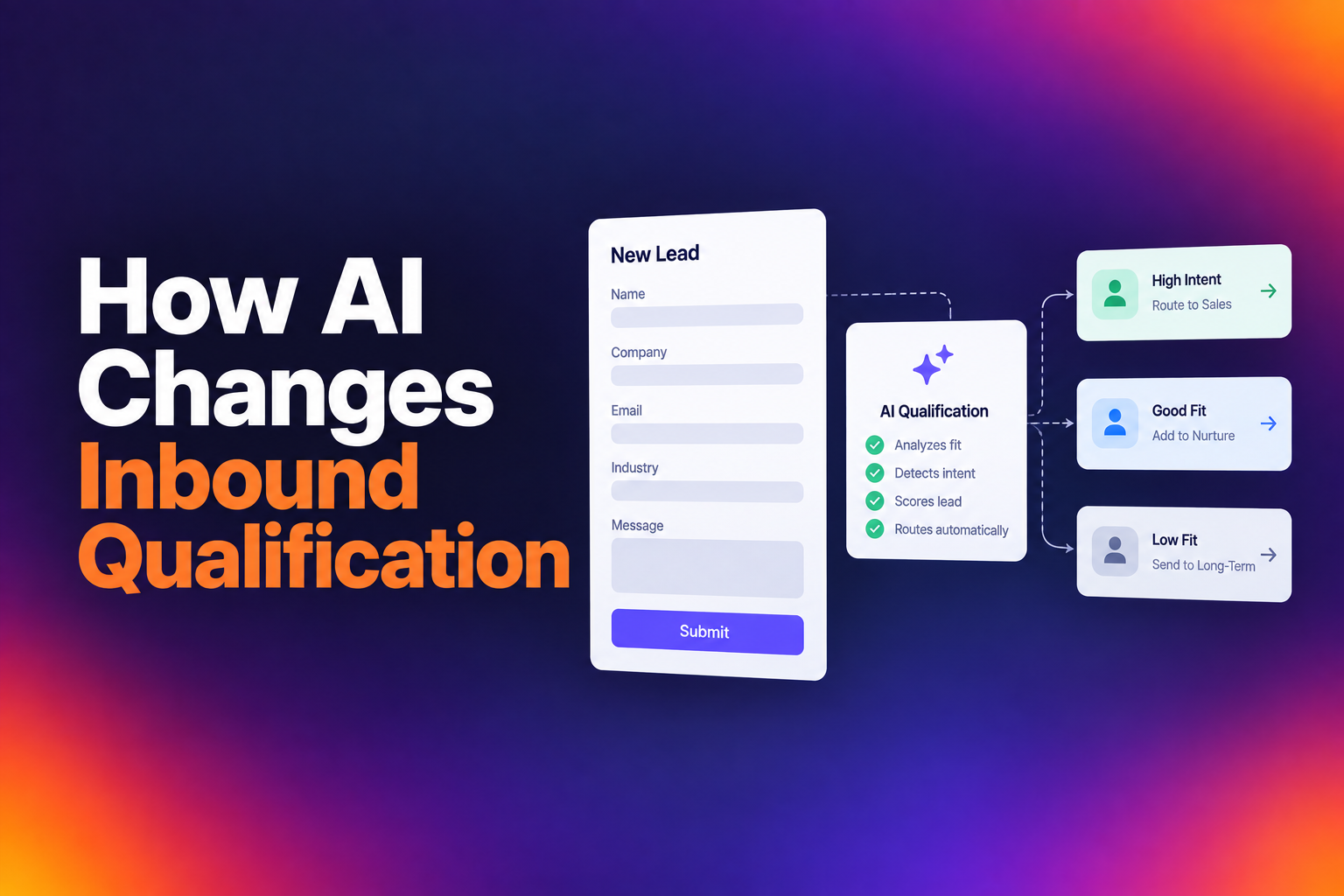
AI-driven qualification eliminates the queue entirely. Instead of routing leads to a human reviewer who checks firmographic data against an ICP spreadsheet, the qualification happens in real time, the moment a form is submitted. The lead either qualifies and sees a calendar, or gets routed to an appropriate nurture path. No delays. No inbox sitting.
This is the core of how AI changes inbound qualification for modern GTM teams. The technology enriches lead data on submission, cross-references it against CRM records, and applies your qualification logic instantly. Reps only engage with leads that match your criteria.
Leveraging Enrichment Data and CRM History for Real-Time Decisions
Real-time enrichment pulls in firmographic details like company size, industry, and tech stack the moment a lead submits a form. Combined with CRM history, you can check whether this lead belongs to an existing account, whether there's an open opportunity, or whether a rep already owns the relationship.
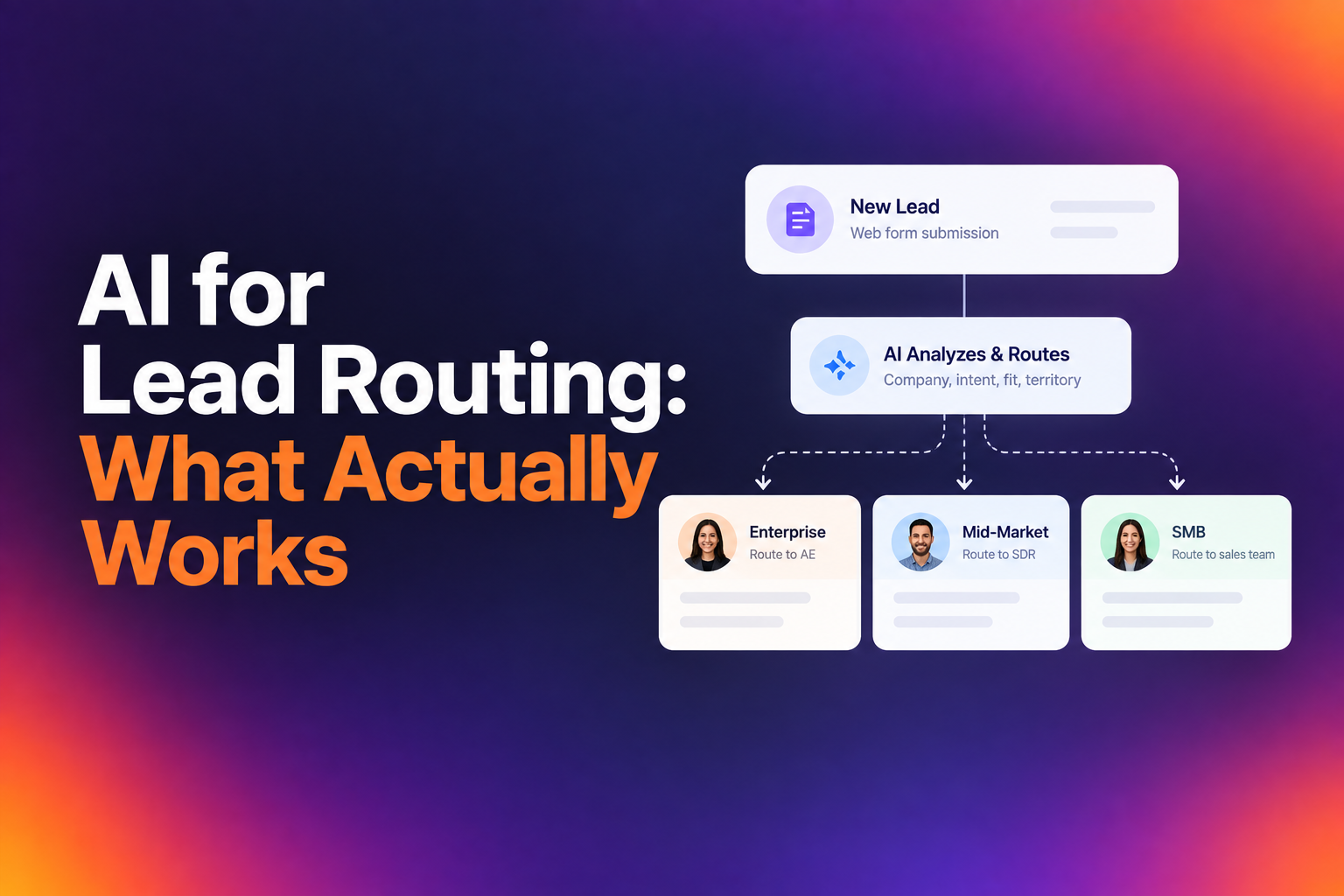
This matters because routing accuracy depends on context. A lead from an enterprise account with an active opportunity shouldn't land in a generic round-robin. It should go directly to the account owner. Platforms like RevenueHero handle this by using form responses, enrichment data, and CRM ownership to route every lead to the right rep instantly, keeping existing relationships intact without manual assignment.
Moving from Selective Friction to Intentional Qualification Rules
Higher disqualification rates don't hurt conversion. They help it. Companies that are selective about who gets through to sales end up with higher-quality conversations. Reps aren't wasting time on poor fits. The leads who do make it through are more likely to show up, more engaged, and more likely to convert.
This doesn't mean you should disqualify everyone. It means your qualification criteria should be intentional. If you're selling enterprise deals where a single bad meeting costs hours of expensive rep time, a higher DQ rate makes sense. If you're running a high-velocity SMB motion where demos are fast and cheap, you can afford to be more inclusive. Review your DQ criteria quarterly. Make sure they're filtering out genuinely poor fits, not just adding unnecessary friction.
Optimizing the Form Experience with AI and Vertical Positioning
Most conversion rate discussions fixate on form length. Fewer fields equals more conversions, right? The data tells a different story. Top performers convert at 77% with 2 fields and at 76% with 13 fields. The number of fields isn't the variable that matters. What matters is whether each field serves a clear purpose.
Why Field Count Matters Less Than Field Purpose
A 13-field form can work brilliantly when each field serves qualification or personalization. Medical software buyers, for instance, are used to credentialing and detailed intake. A 2-field form works when your ICP is broad and any additional friction would cost you more than the data is worth.
The right question to ask about your form isn't "how many fields?" but "what does each field enable?" Fields that route leads to the right rep or help the rep tailor the demo are worth keeping. Fields like "how did you hear about us" that never get actioned are dead weight. If a field doesn't change who gets the lead or how the rep opens the conversation, it's costing you conversions without delivering value. Audit every field against that standard.
Using Industry-Specific Data to Reach the 90th Percentile of Conversions
Vertical positioning consistently outperforms generic messaging. Construction Tech converts at 69.1%. Ecommerce at 68.8%. Travel Tech at 68.3%. Generic Sales Tech sits at 62.8%. The pattern holds across segments: industry-specific experiences win.
Pick your best-performing vertical. Build a dedicated landing page with an industry-specific headline, relevant customer logos, and form fields that make sense for that buyer. "How many locations?" for multi-site businesses. "Current ATS?" for HR buyers. Run traffic to it for 30 days and compare against your generic page. The companies reaching the 90th percentile of conversions aren't doing anything exotic. They're matching their form experience to the buyer's context.
Automating the Handover: From Form Fill to Booked Meeting
The handover between form fill and booked meeting is where most pipeline leaks. Even teams that qualify quickly often stumble on the scheduling step, introducing delays through manual rep assignment or back-and-forth emails to find a time.
AI-powered scheduling removes this friction entirely. A qualified lead sees available time slots immediately after submitting a form. The meeting books directly onto the right rep's calendar, syncs to the CRM, and triggers any necessary follow-up sequences. No human touches the process unless they're walking into the meeting itself.
Matching High-Value Leads to Best-Fit Reps Instantly
Simple round-robin distribution ignores context. A Fortune 500 account shouldn't land with a junior SDR because it was "their turn." Effective routing considers territory, product interest, account ownership, deal size, and rep expertise.
Enterprise teams need nested routing rules that account for edge cases like rep PTO, territory overlaps, and existing account ownership in Salesforce or HubSpot. SMB teams need simpler logic with low administrative overhead, but the principle is the same: the right lead reaches the right rep without delay. The routing decision should happen in milliseconds, not hours.
Managing No-Shows and Reschedules with Automated Workflows
No-shows are inevitable. The question is whether your process handles them automatically or lets them fall through the cracks. Automated workflows can send reschedule links for canceled meetings and no-shows, keeping the lead warm without requiring a rep to manually chase them down.
One GTM operations leader reported booking meetings with 75%+ of qualified inbounds the same day after implementing automation rules for reschedules and no-shows, up from around 40%. The difference wasn't more leads. It was fewer lost opportunities from a broken handover process.
Benchmarking Success in the AI Era of Inbound
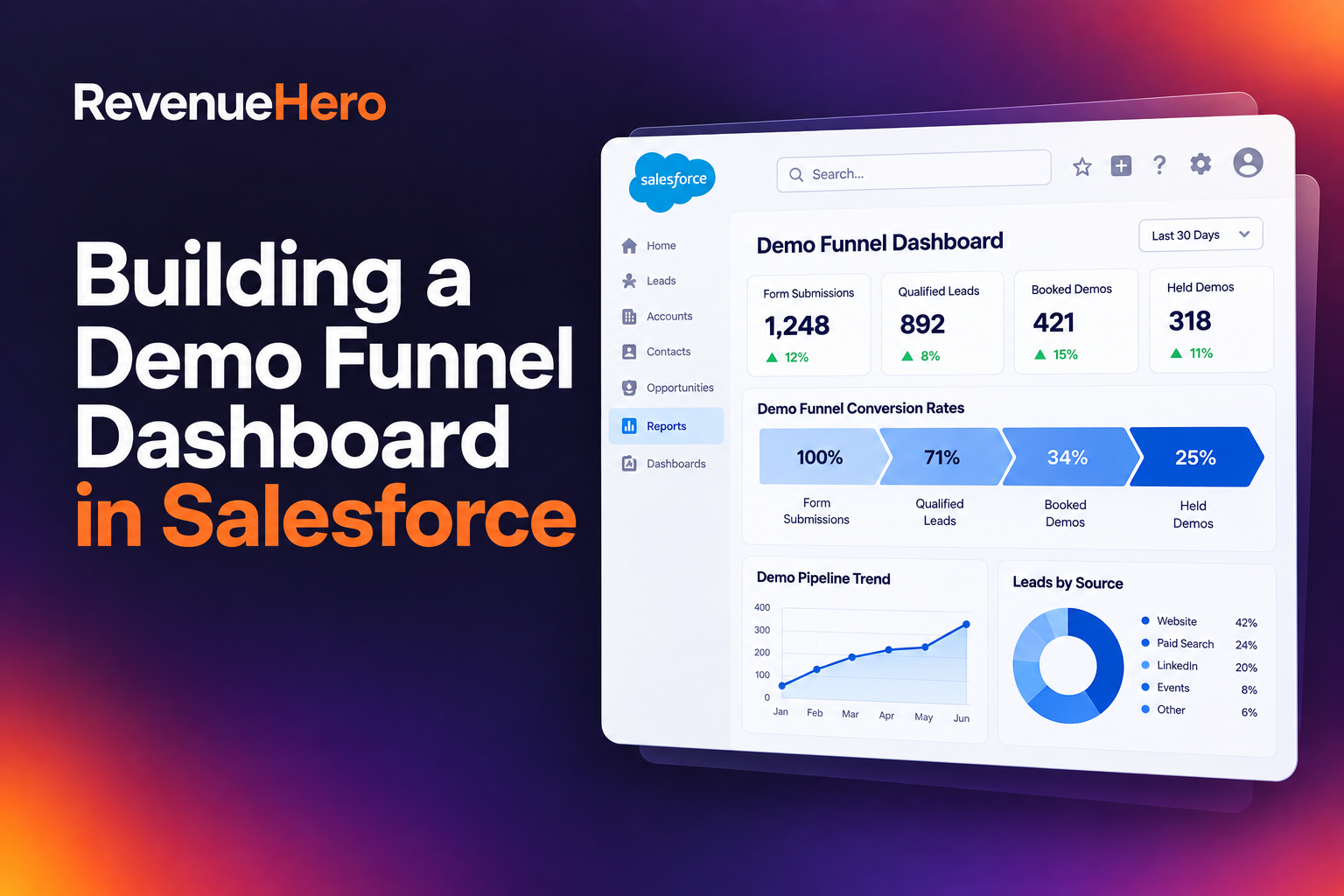
The benchmarks for inbound qualification have shifted permanently. A 62% median qualified-to-booked rate across B2B SaaS is the new baseline, not the target. The top 10% are at 78%+. If you're below 50%, the gap isn't a traffic problem or a messaging problem. It's an infrastructure problem.
Three things separate the top performers from everyone else. They qualify in real time using enrichment and CRM data instead of manual review queues. They present a calendar immediately after qualification instead of a "we'll be in touch" message. And they route based on account context and rep fit, not simple round-robin logic.
Seasonal patterns matter too. Q2 consistently delivers the highest conversion rates, with April through June all exceeding 60%. August and September drag Q3 down to 55.9%. Plan your biggest inbound campaigns for Q2, and don't panic if late-summer numbers dip: the pattern is market-wide.
The shift in how AI is changing inbound qualification isn't theoretical. It's already reflected in the data. Teams that treat the 30 seconds after a form fill as their most important conversion event are pulling ahead. The ones still relying on manual queues and "Request a Demo" buttons are watching their pipeline shrink on the same traffic. The fix isn't complicated, but it does require rethinking a process most teams haven't questioned in years.
Let RevenueHero help your team turn high-intent users into booked meeting without slowing down your funnel.