Your marketing team just drove a high-intent prospect to your demo request form. They filled it out, clicked submit, and waited. And waited. Forty-eight hours later, an SDR finally reached out with a generic email. By then, your prospect had already booked a call with your competitor.
This scenario plays out thousands of times daily across B2B SaaS companies. The question of why most inbound leads never get booked isn't mysterious: it's a predictable failure of process, timing, and alignment. Data from over one million inbound form submissions reveals a stark reality. The top 10% of companies book 78% or more of their qualified leads into meetings. The median sits at 62%. If your team converts at 30-40% and assumes that's normal, you're leaving significant pipeline on the table.
The gap between 40% and 78% on identical traffic, spend, and leads comes down to what happens in the 30 seconds after form submission. Do prospects see a calendar, or do they see a "thanks, we'll be in touch" message? Understanding why leads slip through requires examining the entire journey from form fill to booked meeting.
The Lead Decay Crisis: Why Speed to Lead is Non-Negotiable
Every minute between form submission and sales contact erodes conversion probability. Intent doesn't wait for your team to finish lunch, clear their inbox, or wrap up their current call. Prospects who requested a demo at 10 AM have different priorities by 3 PM. They've moved on to other tasks, engaged with competitors, or simply lost the urgency that prompted their initial action.
The Five-Minute Window for Maximum Conversion
Research consistently shows that leads contacted within five minutes are dramatically more likely to convert than those contacted after an hour. The psychology is straightforward: when someone fills out a demo form, they're actively thinking about solving a problem. They've carved out mental space for this evaluation. That mental space closes quickly.
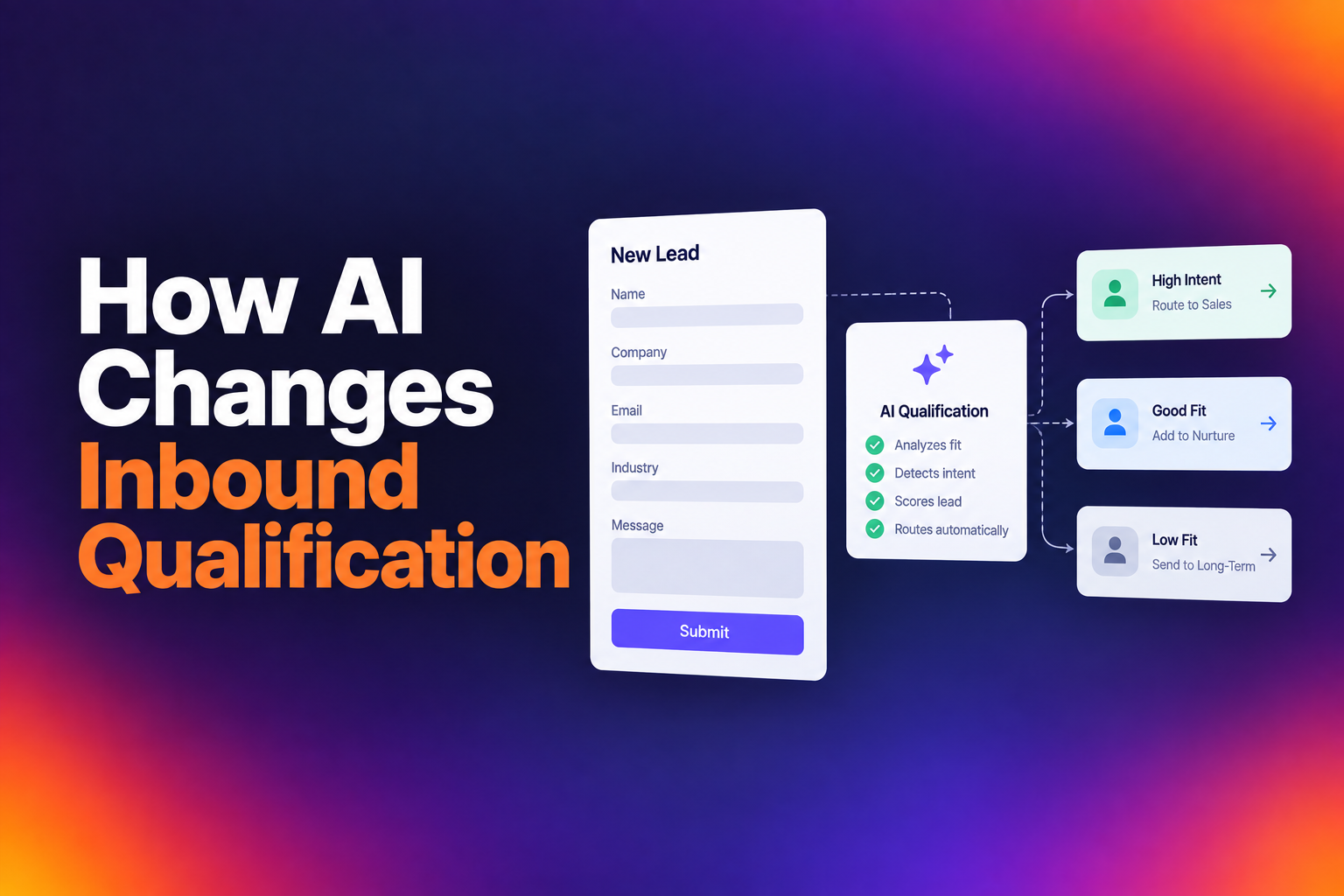
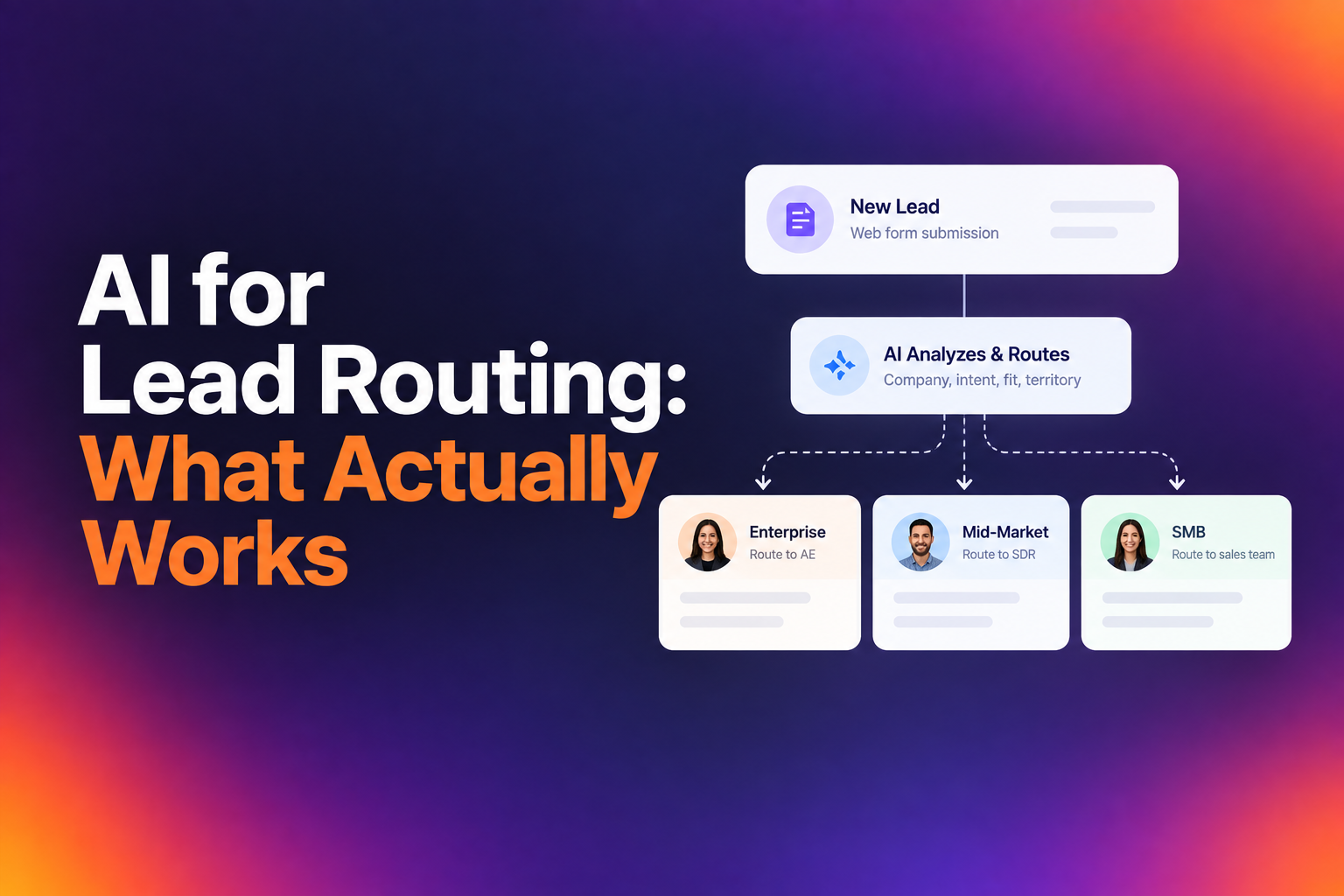
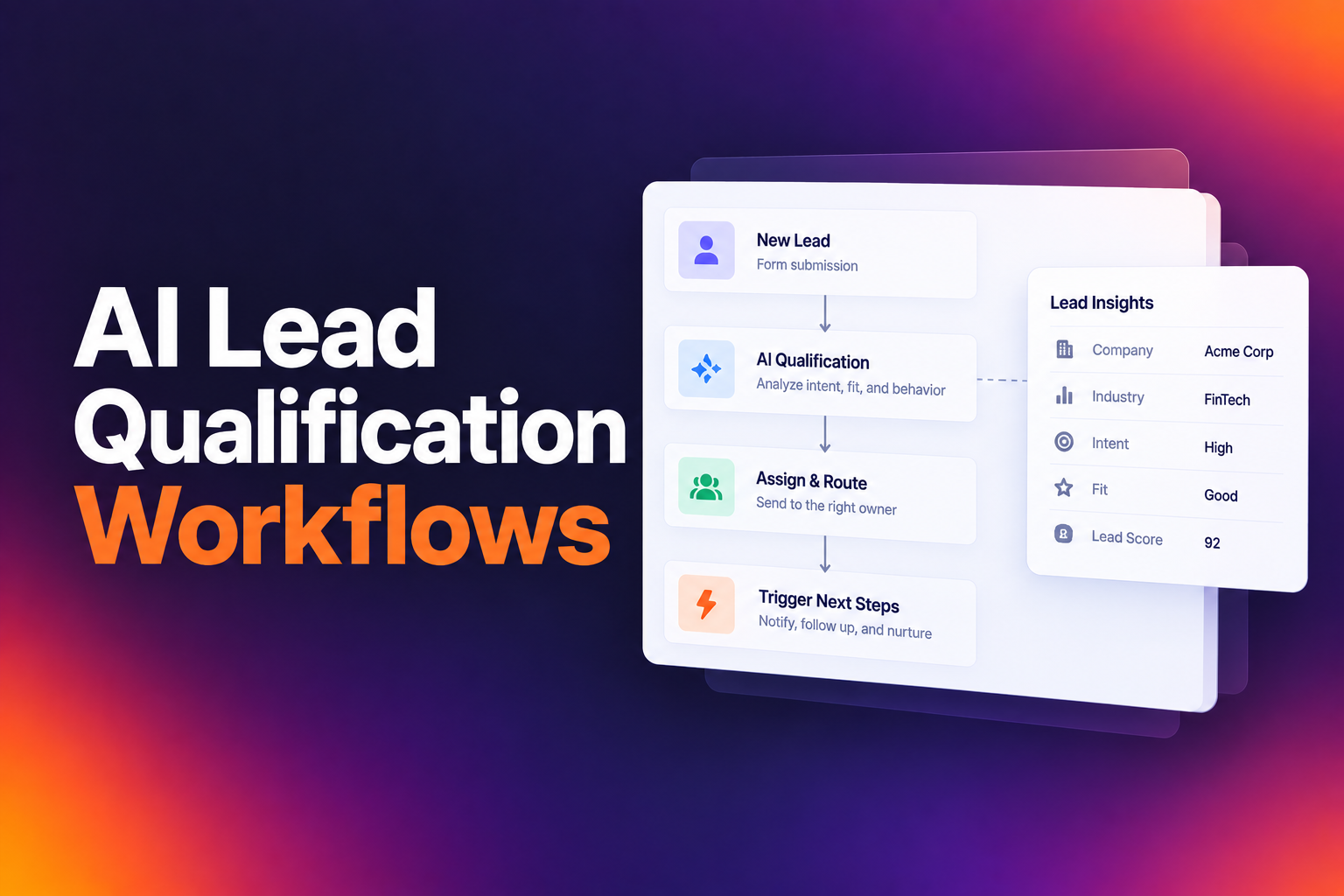
Companies operating with manual lead review queues face an inherent disadvantage. Someone submits a form. It lands in a queue. An SDR eventually reviews it. Maybe they route it to the right rep. Maybe they send a follow-up email. Days pass. The meeting that should have happened doesn't. RevenueHero customers skip this delay entirely by qualifying leads in real-time using form responses, enrichment data, and CRM history. The moment someone submits, they know if they qualify and see a calendar immediately.
How Delayed Responses Signal Poor Customer Experience
Slow response times communicate more than operational inefficiency. They signal how your company treats customers. A prospect who waits three days for a response reasonably concludes that support tickets will languish, implementation will drag, and urgent issues won't receive urgent attention.
Your competitors understand this. While your team debates lead routing, they're already on a discovery call. The prospect isn't evaluating your product versus theirs anymore: they're evaluating responsiveness as a proxy for partnership quality.
Friction in the Booking Journey
Speed matters, but so does the path itself. Many companies sabotage their own conversion rates by creating unnecessary obstacles between interest and action.
Over-Complicated Lead Capture Forms
The instinct to gather maximum information upfront makes sense in theory. More data means better qualification and more personalized outreach. In practice, every additional field creates friction that costs conversions.
Top performers convert at 77% with two fields and 76% with thirteen fields. The number itself doesn't determine success. What matters is whether each field serves a clear purpose. A field that doesn't change who gets the lead or how the rep opens the call costs you conversions without delivering value. Medical software buyers expect detailed intake forms. Broad ICP companies lose prospects to unnecessary complexity.
The question isn't "how many fields?" but "what does each field enable?" Company size, region, and use case help route leads and tailor conversations. Generic "how did you hear about us" fields that nobody actions just add friction.
The Absence of Real-Time Scheduling Tools
The most common conversion killer is the gap between form submission and calendar access. Traditional flows work like this: prospect submits form, receives confirmation email, waits for SDR contact, exchanges emails to find mutual availability, finally books a meeting. Each handoff loses prospects.
Instant scheduling eliminates these handoffs entirely. A qualified lead submits a form and immediately sees available time slots. They book while their intent is highest. No email ping-pong. No waiting. No opportunity for competitors to intercept.
Misalignment Between Marketing and Sales Criteria
Marketing celebrates lead volume. Sales complains about lead quality. This tension exists in nearly every organization, and it directly impacts why inbound leads don't convert to meetings.
Quantity vs. Quality: The Lead Scoring Gap
Marketing teams often optimize for form fills as their primary metric. More submissions means successful campaigns. But submissions that don't convert to meetings waste sales time and distort pipeline forecasts.
Disqualification rates tell an important story. If your DQ rate is under 20% and your meeting rate struggles, you might be letting through leads that waste rep time. Tightening criteria on company size, industry, or use case fit can actually improve overall pipeline quality. The goal isn't maximum leads: it's maximum qualified meetings.
Failure to Define 'Sales-Ready' Leads
Many organizations lack clear agreement on what constitutes a sales-ready lead. Marketing considers anyone who downloads a whitepaper qualified. Sales wants prospects who've explicitly requested pricing. Without shared definitions, leads fall through the cracks.
Vertical positioning demonstrates this principle clearly. Construction Tech converts at 69.1%. Ecommerce at 68.8%. Travel Tech at 68.3%. Generic Sales Tech at 62.8%. Specificity wins. Building dedicated landing pages for your best-performing segments with industry-specific headlines, logos, and form fields consistently outperforms generic approaches.
Inadequate Multi-Channel Follow-Up Strategies
Even when initial outreach happens quickly, many teams abandon prospects after a single attempt. Buying decisions rarely happen on the first touch.
The One-and-Done Outreach Mistake
One email. No response. Lead marked as unresponsive. This pattern repeats constantly, and it represents a fundamental misunderstanding of buyer behavior. Prospects are busy. They miss emails. They intend to respond later and forget. They need multiple touchpoints before taking action.
Effective follow-up sequences typically include six to eight touches across multiple days. Each touch adds value rather than simply asking "did you see my last email?" The goal is staying present without becoming annoying.
Leveraging SMS and LinkedIn Beyond Email
Email open rates continue declining as inboxes overflow. Prospects who ignore emails often respond immediately to text messages or LinkedIn direct messages. Channel diversification isn't about spamming across platforms: it's about meeting prospects where they're most responsive.
SMS works particularly well for meeting confirmations and reminders. LinkedIn messages feel more personal than email for initial outreach. The combination of channels increases touchpoint effectiveness without increasing total volume.
The Lack of Personalization and Context
Generic outreach fails because it signals that you don't understand the prospect's specific situation. They filled out a form explaining their challenges. Using that information demonstrates attentiveness.
Using Generic Scripts for Specific Pain Points
"Hi [First Name], I noticed you requested a demo of our platform. I'd love to show you how we can help your business." This template could apply to anyone. It references nothing specific about the prospect, their company, or their stated needs.
Contrast this with outreach that references their industry, company size, specific use case mentioned on the form, or recent company news. The effort required is minimal: the information already exists. Using it communicates that you're paying attention and that the conversation will be relevant to their actual situation.
Implementing Automated Workflows to Rescue Revenue
The gap between top performers and average companies isn't about having better leads or bigger budgets. It's about process architecture. Companies that book 78% of qualified leads have built systems that eliminate manual steps, reduce handoff delays, and present calendars at the moment of highest intent.
The patterns are consistent and replicable. Use commitment language like "Book a Demo" instead of permission language like "Request a Demo." Only 12% of top performers use "Request" while 29% use "Book." Cut form fields that don't influence routing or conversation quality. Qualify and route leads instantly using enrichment data and CRM history rather than manual review queues. Put calendars in front of qualified prospects immediately, not after SDR review.
None of this requires a bigger budget or better leads. You already have the traffic. You already have people raising their hands. The only question is how many of them actually end up talking to your team. If you're at 40% today and reach 62%, that's 22 more meetings for every 100 qualified leads. Reach 78%, and you've nearly doubled your meeting output on identical spend.
The companies winning this game made a specific choice: they stopped treating inbound scheduling as an afterthought and started treating it as a conversion event. Every CTA, form, and campaign link becomes a meeting setter that works around the clock. That's the difference between leaving pipeline on the table and capturing the intent you've already paid to generate.
Let RevenueHero help your team turn high-intent users into booked meeting without slowing down your funnel.