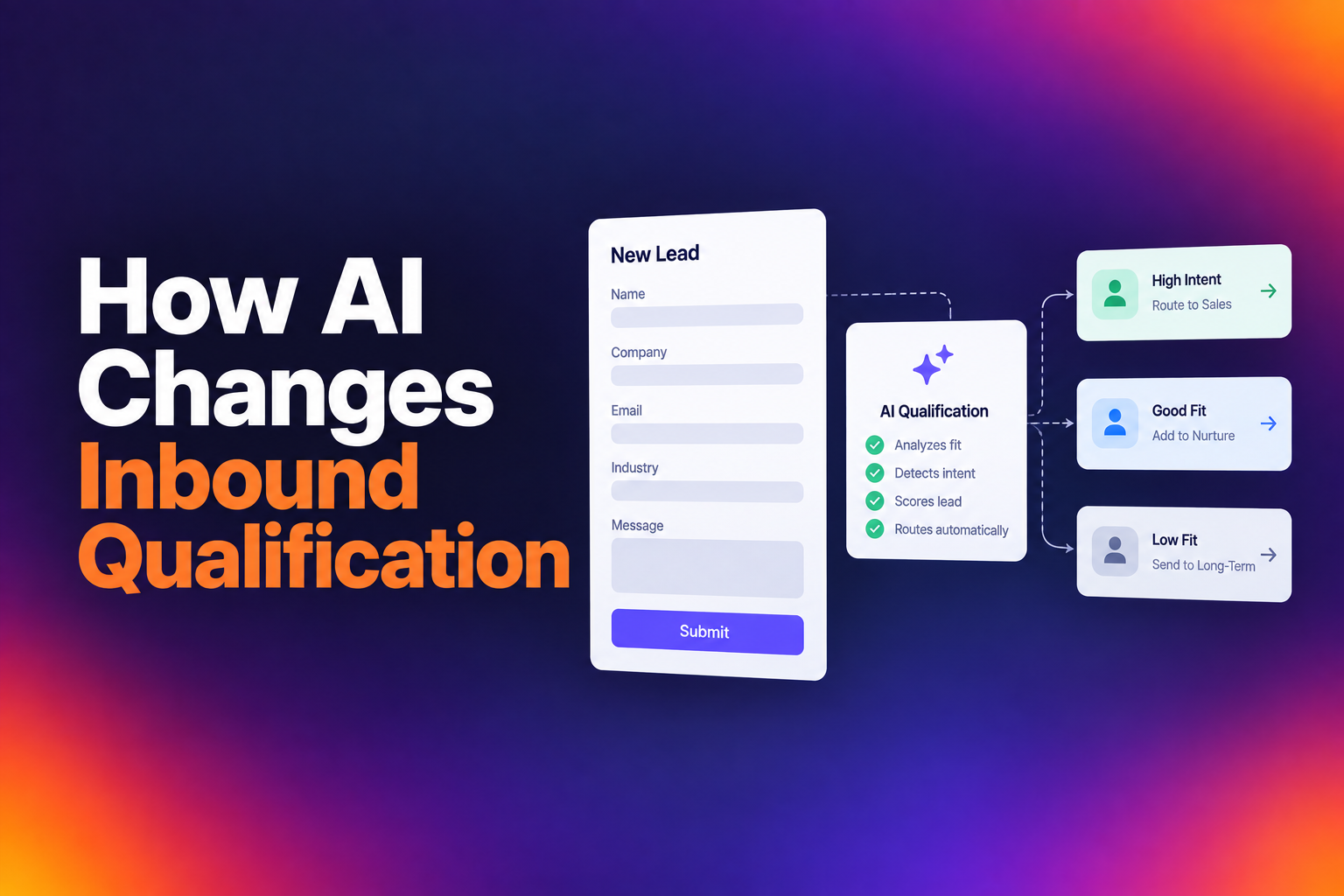
Most inbound funnels leak pipeline in the same predictable places. A visitor fills out a form, receives a generic confirmation email, and waits. Hours pass. Sometimes days. By the time a rep reaches out, the prospect has moved on, booked with a competitor, or simply lost interest. The companies that convert at 78% or higher have eliminated these gaps entirely. They've rebuilt their funnels around a simple principle: the moment someone signals intent, they should be talking to sales.
The difference between median performers and the top 10% isn't better traffic or superior products. It's what happens in the 30 seconds after someone clicks "Book a Demo." Data from RevenueHero's 2025 Inbound Conversion Report shows the median qualified-to-booked rate sits at 62%. The top performers hit 78% or higher. The best in the dataset reaches 88%. That 16-point gap represents dozens of lost meetings per month for most teams. Understanding what separates high-performing inbound funnels from everyone else reveals patterns any team can adopt. These aren't complex strategies requiring massive budgets. They're operational choices that compound over time.
The Shift from Lead Capture to Demand Generation
The traditional funnel treats every form submission as a win. Marketing celebrates the MQL, passes it to sales, and moves on to the next campaign. High-performing teams have abandoned this approach. They recognize that capturing a lead means nothing if that lead never converts to a conversation.
Prioritizing High-Intent Conversion Paths
Top performers obsess over what happens after the form fill. They've mapped every path from first touch to booked meeting and eliminated unnecessary steps. The pattern is consistent: commitment language outperforms permission language. Among top performers, 29% use "Book a Demo" while only 12% use "Request a Demo." That single word change shifts the visitor's mindset from consideration to action.
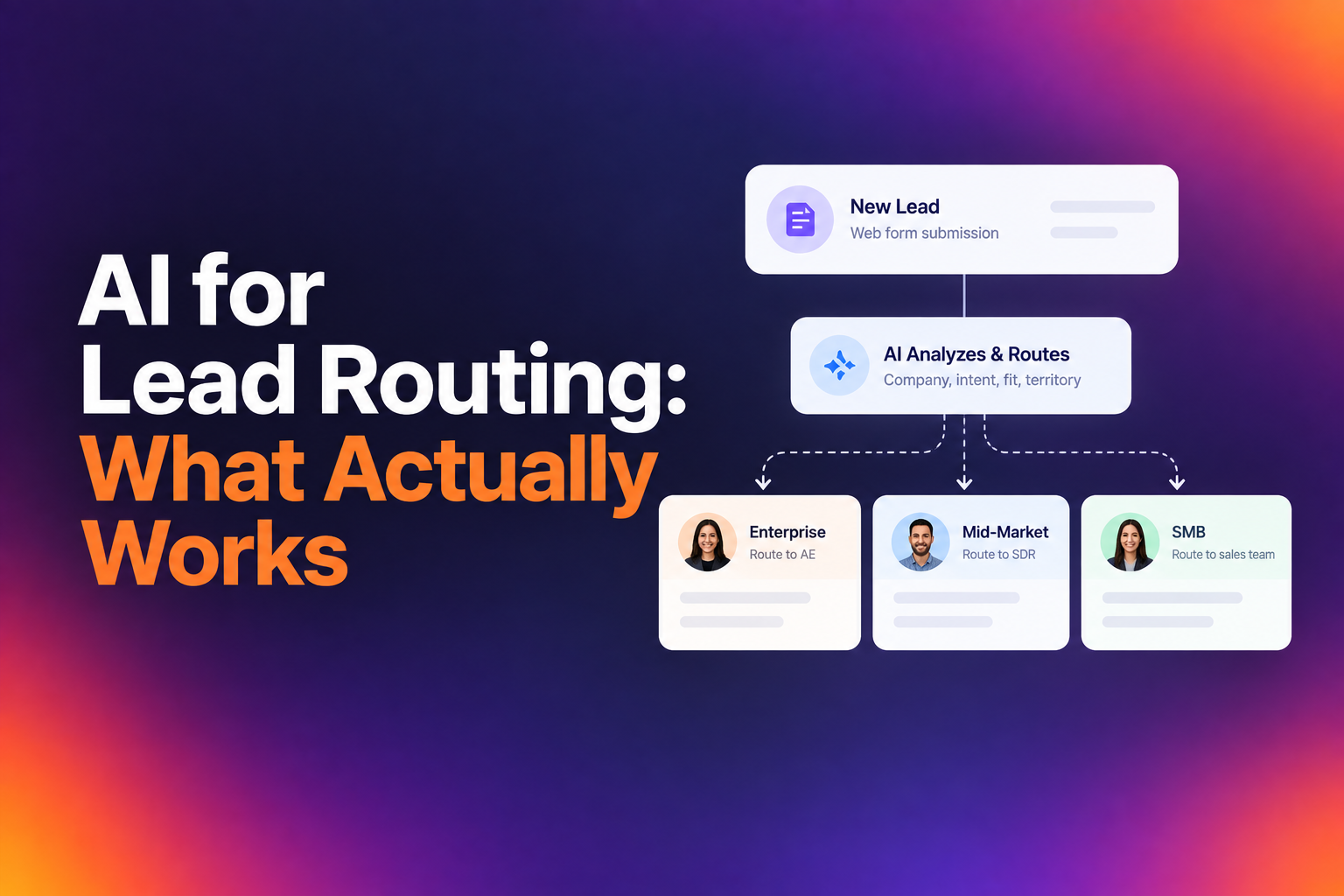
These teams also route leads instantly based on form responses, enrichment data, and CRM ownership. No manual review queues. No 48-hour delays while intent decays. When someone qualifies, they see a calendar immediately.
Ungating Educational Content to Build Trust
The best funnels don't hide everything behind forms. They understand that trust builds over multiple interactions. Educational content flows freely, establishing expertise before any ask. When the prospect finally reaches a conversion point, they've already decided the company knows what they're talking about.
This approach requires confidence. You're giving away knowledge that competitors might gate. But the tradeoff is clear: prospects who reach your demo request have genuine intent, not just curiosity about a gated PDF.
Hyper-Personalization Through Intent Data
Generic experiences produce generic results. The top 10% treat every visitor as an individual with specific needs, not a lead to be processed.
Mapping Content to Specific Buyer Personas
Vertical software consistently outperforms horizontal solutions in conversion rates. Construction Tech converts at 69.1%. Ecommerce at 68.8%. Generic Sales Tech at 62.8%. The pattern holds across the dataset: specific positioning wins.
High performers build dedicated landing pages for their best segments. Each page features industry-specific headlines, relevant customer logos, and form fields that make sense for that buyer. A multi-site business sees "How many locations?" while an HR buyer sees "Current ATS?" These fields serve routing and personalization, not data collection for its own sake.
Dynamic Website Experiences Based on Referral Source
The source of a visit tells you something about intent. Someone clicking from a product comparison article has different needs than someone arriving from a brand awareness campaign. Top performers adjust their experience accordingly.
This doesn't require complex technology. Even basic segmentation, showing different hero copy or testimonials based on UTM parameters, can meaningfully impact conversion. The goal is relevance: making every visitor feel like the page was built for them.
Strategic Content Distribution Beyond SEO
Search traffic matters, but it's not the only channel. High-performing funnels diversify their distribution and meet prospects where they already spend time.
Leveraging Social Proof and Dark Social
Specific social proof dramatically outperforms generic claims. "We saw a 57% increase in bookings within 90 days" creates concrete expectations. It also signals that customers trust you enough to share real numbers.
Dark social, the sharing that happens in Slack channels, private messages, and conversations you can't track, drives significant inbound interest. Top performers invest in content worth sharing: original research, contrarian takes, and genuinely useful frameworks. They accept that attribution will be imperfect but trust that quality content compounds.
Nurturing Leads with Multi-Channel Retargeting
Not everyone converts on the first visit. The best funnels maintain presence across channels without being annoying. They sequence touchpoints based on behavior: someone who read three blog posts gets different messaging than someone who bounced from pricing.
The key is relevance over frequency. One well-timed, personalized touchpoint beats ten generic display ads. Top performers track engagement quality, not just impressions.
Optimizing Frictionless Conversion Points
Every field, every click, every additional step costs conversions. High performers audit their funnels ruthlessly, asking whether each element earns its place.
Replacing Static Forms with Interactive Qualification
Form length matters less than form purpose. The data shows top performers converting at 77% with 2 fields and 76% with 13 fields. The number isn't the issue. What matters is whether each field does something useful.
Fields that route leads to the right rep instantly justify their existence. Fields that help reps tailor the demo earn their place. Fields that exist because "we've always asked that" are costing you meetings. The question isn't how many fields but what each field enables.
Interactive qualification, where the form feels like a conversation rather than a data entry task, reduces perceived friction. Progressive disclosure, showing fields based on previous answers, keeps the experience focused.
Shortening the Path from Click to Demo
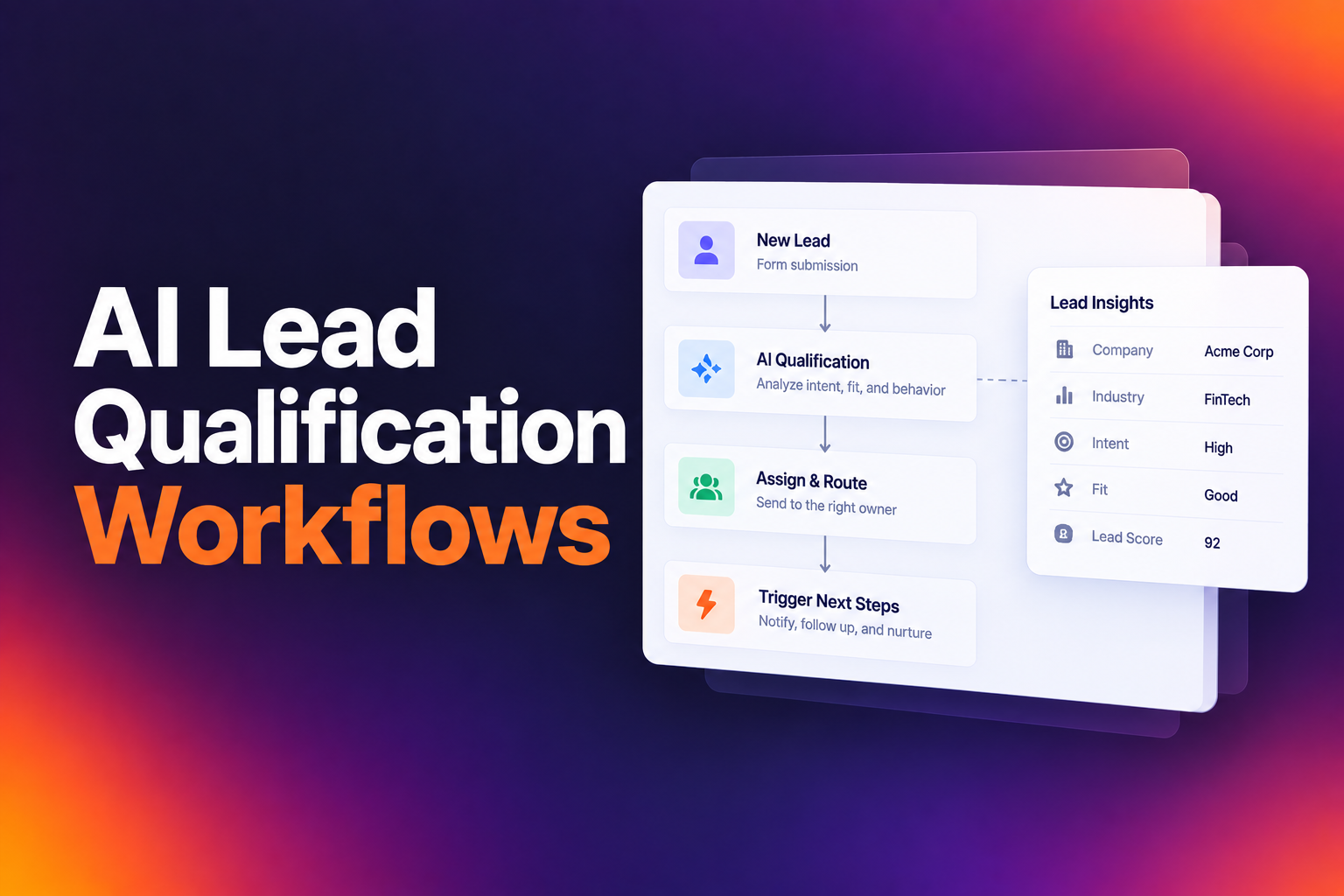
The old benchmark of 35% qualified-to-booked came from manual review queues and delayed follow-up. Top performers have compressed this timeline to seconds. A lead fills out a form, gets qualified in real-time using enrichment data and CRM history, and immediately sees available calendar slots.
No "thanks, we'll be in touch" messages. No waiting for an SDR to review the submission. The gap between "qualified" and "booked" shrinks to seconds, and conversion rates jump accordingly.
Measurement Beyond MQLs: Focus on Revenue Operations
Counting MQLs tells you almost nothing about funnel health. High performers track metrics that actually predict revenue.
Tracking Velocity and Pipeline Contribution
Speed to lead is the metric that separates top performers. How quickly does a qualified prospect get on a rep's calendar? The companies hitting 78%+ conversion rates have reduced this to under a minute. They treat scheduling as the conversion event, not the form fill.
Pipeline velocity, how quickly deals move through stages, reveals where friction hides. A stage where deals stall for weeks indicates a process problem or a qualification issue. Top performers review these metrics weekly and adjust accordingly.
Aligning Sales and Marketing Feedback Loops
The best funnels have tight integration between sales and marketing. Reps provide feedback on lead quality within hours, not quarters. Marketing adjusts targeting based on which leads actually close, not just which leads book meetings.
This requires shared metrics and regular communication. When sales and marketing both own pipeline contribution, finger-pointing disappears. Everyone focuses on what actually drives revenue.
Building Your High-Performance Funnel
The gap between 40% and 78% conversion represents real revenue. For every 100 qualified leads, that's 38 additional meetings. At typical close rates, that's meaningful pipeline you're currently leaving behind.
The changes that drive these results aren't complicated. Replace "Request" with "Book" across your site. Cut form fields that don't improve routing or personalization. Tighten qualification so reps spend time on genuine opportunities. And when someone qualifies, put a calendar in front of them immediately.
You don't need better leads or a bigger budget. You need to stop losing the leads you already have. The companies in the top 10% made a choice: they stopped treating inbound scheduling as an afterthought and started treating it as the conversion event. That single shift in mindset, backed by the operational changes to support it, is what top-performing inbound funnels do differently.
Let RevenueHero help your team turn high-intent users into booked meeting without slowing down your funnel.