Segment-Based Routing in an ABM World
A prospect fills out a form. Their interest is high, but the moment could fizzle out if your routing system isn’t up to speed. Today, we dive into segment-based routing in the realm of Account-Based Marketing-exploring how it bridges the gap between form fill and engaged conversation. We'll break down the old way of poorly choreographed lead follow-up versus the agile, automated approaches that convert at scale.
The Problem: Traditional Routing Gaps in ABM
The issue is straightforward. Leads generated through ABM efforts often sit unassigned, sometimes lost in a maze of manual tasks and inefficient workflows. In the interim, prospects shift their attention elsewhere. This gap is where opportunities leak away.
In typical B2B operations, the manual handling of leads delays response and disrupts consistency. RevenueHero’s approach is built on eliminating those lag moments. Instead, teams can bypass the wait time, instantly connecting the right prospects with the right representatives.
Operational Hurdles in the Traditional Process
Before you have a chance to reach out, multiple issues have already emerged:
- Manual handoffs that depend on multiple systems for reassignment
- Delayed notifications across various communication channels
- A generic thank-you page with no direct call-to-action
- The risk that a prospect, feeling unvalued, books a meeting with someone else
These broken processes slow down a system that should be delivering speed and trust almost instantaneously.
Understanding the Follow-Up Gap
The follow-up gap is critical. Consider the window of opportunity immediately after a prospect submits their information. In that time:
- They are exploring options
- They might revisit your website to check additional product details
- Or worse, they decide to engage a different vendor
When follow-up delays extend even by a few minutes, the chances are that the prospect's momentum will dissipate entirely. Mature GTM teams acknowledge this gap and design systems that plug every hole.
Segment-Based Routing: Redefining Speed and Efficiency
Segment-based routing isn’t just an evolution-it’s a transformation. Instead of generic workflows, leads are automatically and instantly assigned based on specific criteria.
This approach adjusts in real time to the unique needs and data points of each prospect, ensuring that no lead is hand-waved into an inactive queue.
Defining Segment-Based Routing
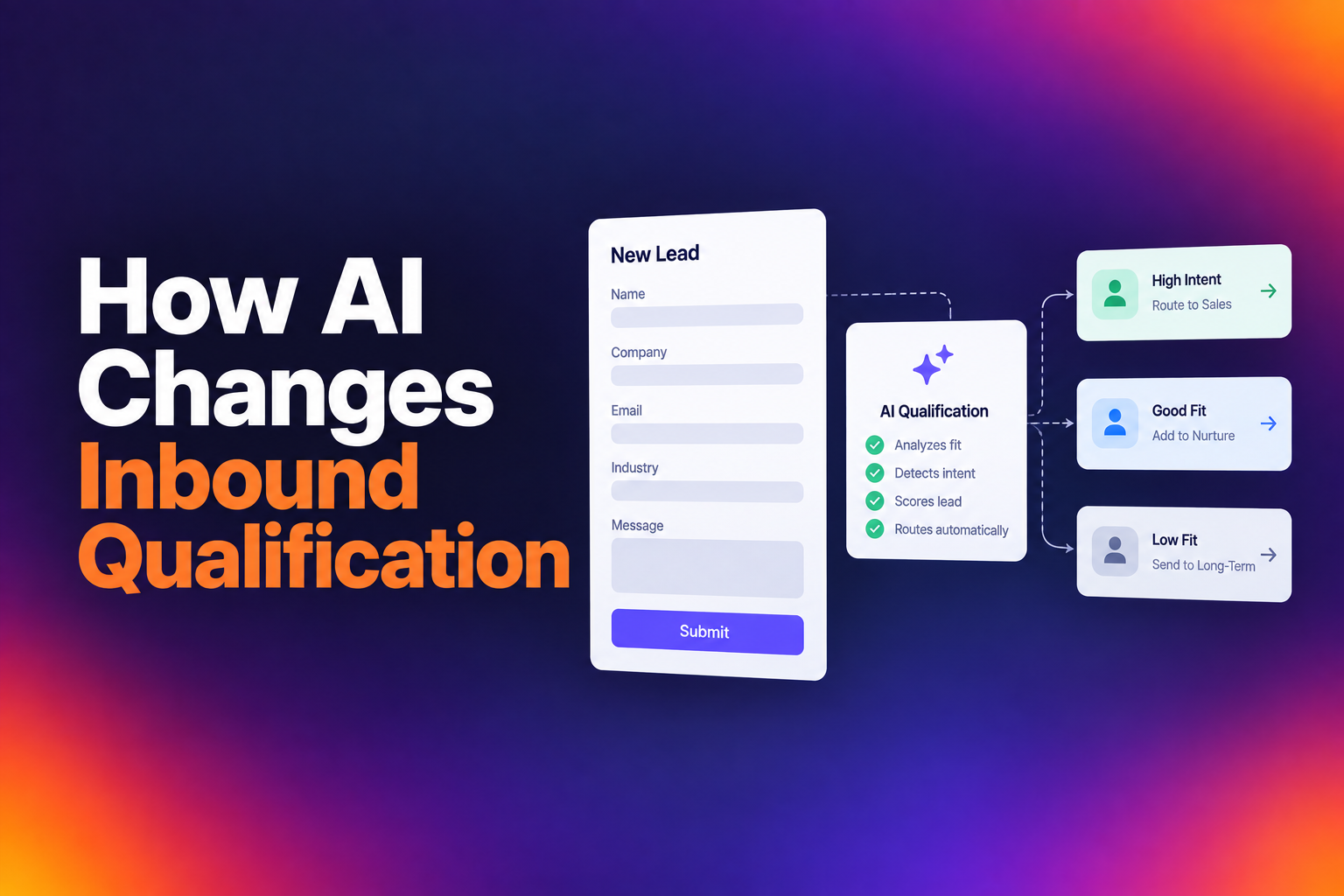
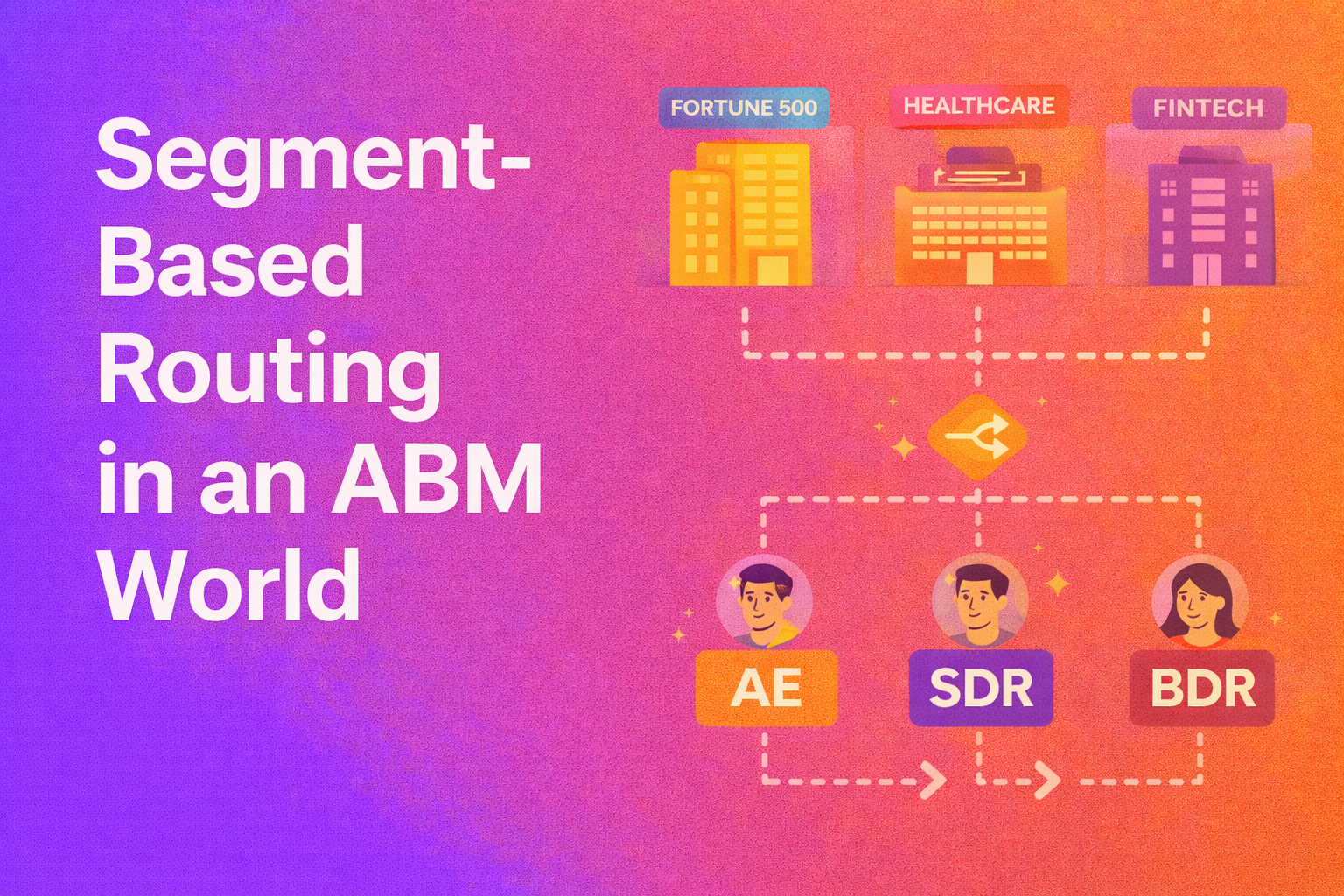
Segment-based routing means categorizing leads by clear, actionable segments as soon as they enter your system. Think territory, role, firm size, and more. The process includes:
- Immediate Recognition: Instantly acknowledging the details submitted by the prospect.
- Automated Categorization: Automatically assigning leads based on pre-defined segments.
- Real-Time Assignment: Routing the lead to the most appropriate team member, without delays.
- Actionable Data: Using insights from data sources to inform routing decisions on the fly.
By leveraging automated workflows, teams can achieve both consistent performance and a personalized buyer experience.
Key Benefits of Segmented Routing in ABM
With segmented routing, companies see immediate improvements. The tangible benefits include:
- Enhanced Conversion Rates: Quick response means more qualified meetings and fewer lost leads.
- Streamlined Booking: Prospects can book instantly with a view of the correct representative’s availability.
- Data-Driven Decisions: Granular insights allow for continuous refinement of lead handling processes.
- Operational Efficiency: Automation minimizes the administrative burden, freeing up your team to focus on high-value engagements.
Each element of segmented routing contributes to a seamless, frictionless process that converts engagement into revenue.
The ABM Landscape: Personalized Marketing at Scale
ABM has exploded onto the marketing scene. The global market is projected to reach $1.6 billion by 2027. Clearly, personalization is not only important, but necessary for leading brands. In an ABM environment, tailored communication meets the need for speed.
RevenueHero leverages real-time data and segmentation to revolutionize the scheduling process. With personalized retention strategies woven into every interaction, companies can meet prospects where they are.
ABM Market Dynamics
Recent statistics confirm the priority of ABM. Nearly 94% of respondents report actively running ABM programs, reflecting how essential these strategies have become for modern GTM operations. In fact, data shows that companies using ABM for a year or more see an average revenue increase of 10%-with some witnessing gains over 30% (Intelligent Demand).
ABM drives brand visibility. For example, 70% of companies cite improved awareness and recognition after launching their ABM initiatives (Altudo). The granular approach reinforces that personalization and precision are non-negotiable in today’s market.
Personalization at Scale: Operational Impacts
Personalization means more than addressing a lead by name. It involves embedding customized experiences throughout the buyer’s journey. Mature teams go beyond generic CTAs by scheduling demos with pre-qualified and segment-specific messaging.
RevenueHero demonstrates the power of segmentation by integrating scheduling directly into the post-form experience. This method bypasses waiting times and instills confidence from the get-go.
Integrating Data-Driven Insights
Using data effectively means understanding every nuance of a prospect's journey. Advanced solutions provide granular reporting that captures:
- Buyer behavior insights
- Meeting outcomes
- Conversion efficiencies
Harnessing analytics not only drives operational excellence; it’s also a critical step for fine-tuning ABM initiatives. With insights in real time, teams can quickly adjust and scale their outreach efforts.
Eliminating the Follow-Up Gap With High-Velocity Routing
The core challenge within ABM is striking while the iron is hot. Many organizations still operate on a roundabout method where leads languish before being properly assigned. The solution lies in high-velocity routing.
This method removes the need for manual follow-up. Instead of waiting for hours, the system empowers sales reps to connect immediately, reducing drop-offs and accelerating conversion.
How Rapid Routing Changes the Game
Let’s examine the process in detail. Instead of a clunky manual assignment, advanced routing engines, like those at RevenueHero, ensure:
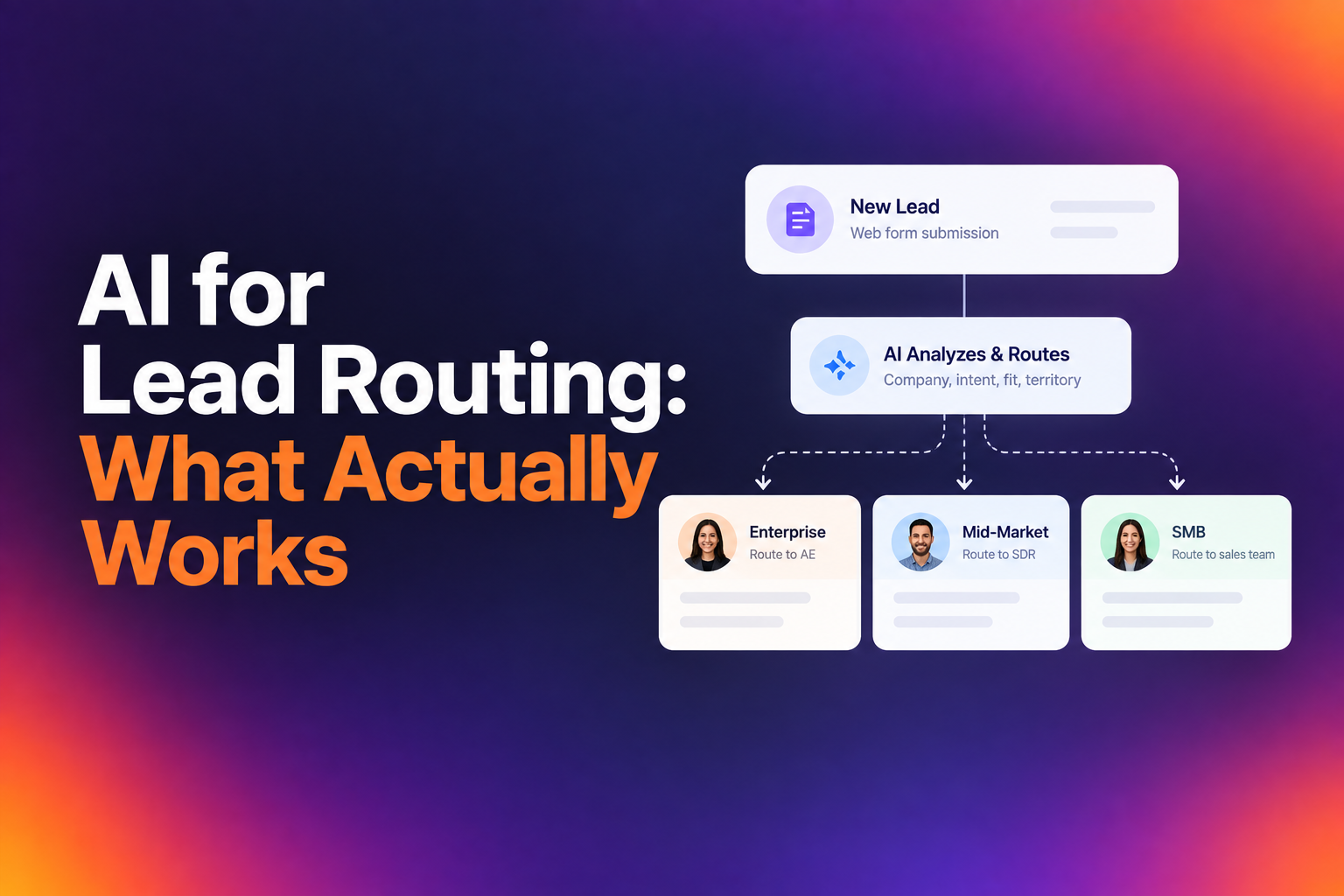
- A lead is instantly identified with key segmentation criteria
- The right sales rep or SDR is selected based on a set routine
- The prospect sees available slots and can book a meeting immediately
The moment a prospect signs up, the system is hard at work categorizing and assigning with no wasted seconds. This approach is operationally sound and proves that automation is not optional anymore-it’s essential.
Case Study: Instant Scheduling in Action
Consider a tech solutions provider that had been manually sorting through leads for months. Their system comprised several disconnected steps-CRM entry, email notification, and then manual follow-ups. With segment-based routing implemented, the moment a prospect filled out their demo request, the system instantly surfaced available time slots of the correct AE. The result was clear: a drastic reduction in cycle time and an uptick in scheduled meetings.
This operational tweak isn’t just minor optimization. It represents a rethinking of the entire workflow-from data capture to the final booked meeting-ensuring every step is leveraged for maximum engagement.
Tactical Adjustments for Mature Routing
Teams that perfect their routing do more than rely on speed alone. They include several thoughtful safeguards and features:
- Real-Time Segmentation
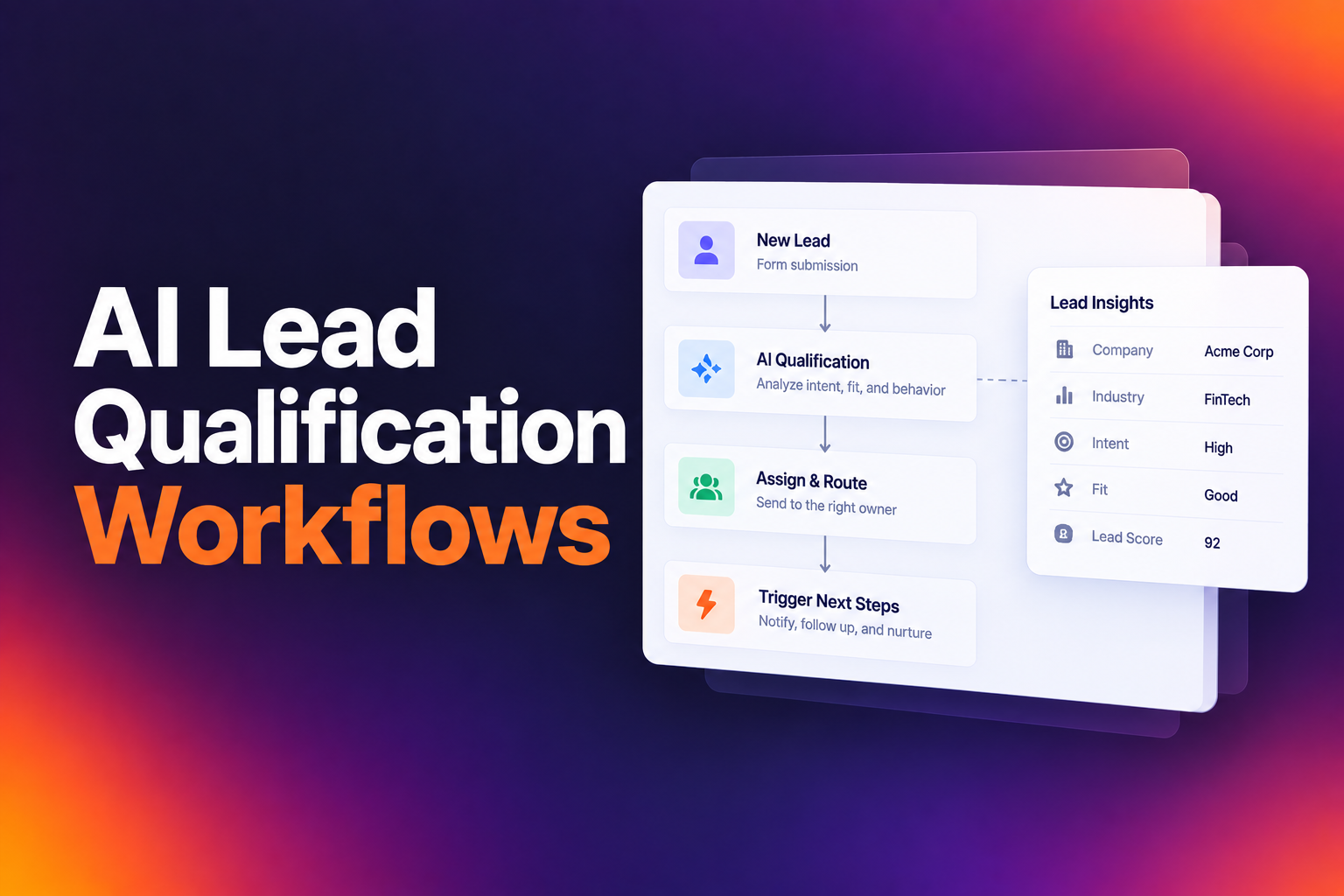
- At the moment of submission, the system analyzes the lead’s data to understand the best fit. This ensures that each lead lands in a queue where the sales rep not only has capacity but also possesses the necessary context to initiate a personalized conversation.
- Smart Meeting Distribution
- Routing also means directing leads to the representative who aligns best with the prospect’s industry, region, and unique needs. This targeted approach eliminates the lag of generic follow-ups and ensures natural rapport from the first contact.
- Automated Alerts and Schedules
- Once a meeting is booked, the system sends instant notifications to ensure all parties are informed. This level of automation cuts down coordination time significantly.
- Fallback Mechanisms
- If no representative is available at that moment, the system offers secondary scheduling options, such as backup pools or asynchronous meetings through video demos. These safeguards create a friction-free experience for the prospect.
Streamlining these processes means that high-quality leads never go cold due to procedural delays. Instead, every lead is met with the immediate, structured response they expect and appreciate.
The New Paradigm: Building a Frictionless Buyer Journey
High-speed, segment-based routing redefines your buyer journey. Instead of encountering dead ends and generic processes, prospects experience immediate personalization that builds trust and drives conversion.
This is particularly crucial in ABM, where every interaction must reflect a deep understanding of the target account. By eliminating needless friction, teams can build a buyer journey that's both dynamic and efficient.
Optimizing the Post-Form Experience
When integrating routing into the buyer journey, consider these key aspects:
- Immediate Acknowledgment:
- The moment your prospect fills out the form, the system should provide a clear, visual cue confirming receipt. This sets the stage for what follows.
- Instantaneous Personalization:
- Based on the data provided, the platform shows targeted time slots reflecting the specific expertise needed to address the prospect’s requirements. No waiting, no generic pages-just tailored options.
- Data-Enriched Handoffs:
- When the prospect is routed to their assigned representative, the process includes a brief summary of their profile. This helps the rep approach the meeting with both confidence and clarity.
This model ensures that every lead feels valued and confirmed, right from the moment of inquiry through to the actual booking. It defines the modern, frictionless buyer experience that can set your brand apart.
The Role of Analytics in Fine-Tuning the Process
Analytics is far more than a nice-to-have. It forms the backbone of effective segment-based routing. With granular insights, teams can pinpoint when and where leads drop off, and why they choose one scheduling option over another.
RevenueHero’s granular reporting not only tracks meeting outcomes but also provides detailed information on buyer behavior. For instance, if a particular segment of leads continually selects a backup scheduling option, it signals the need for additional staffing or alternative routing adjustments.
Practical Steps for Implementation
Mature GTM teams implement segmented routing with a mix of technology and operational tweaks. Consider the following roadmap:
- Define Key Segments:
- Start by mapping out the different segments that exist within your target market. This may include factors such as geographic territory, company size, or industry specifics.
- Integrate Scheduling Immediately:
- Set up your system so that the scheduling experience is embedded right into the post-form submission process. Prospects should see available times instantly where their designated rep is visible.
- Automate Alerts:
- Ensure that reps get real-time notifications upon form submission and booking. This means using alerts across platforms like email and internal chat tools.
- Monitor and Adjust:
- Constantly review the performance metrics based on granular reporting. Use this data to adjust the segmentation rules or available time slots as needed.
- Test Fallback Options:
- Design backup routing mechanisms that kick in when a rep isn’t available. These extra steps ensure no prospect is left waiting and every inquiry is handled with precision.
Implementing these strategies not only bridges the traditional follow-up gap but also builds a system where every touchpoint is automatically optimized for conversion.
Overcoming Routing Complexity With a Streamlined Tech Stack
In practice, the routing process is nested within a broader tech ecosystem. When done right, the integration of tools and analytics creates a cohesive system that minimizes manual intervention. Complexity arises when different systems operate in silos, causing delays and misalignment.
Companies that invest in an integrated tech stack see significant gains. They avoid the pitfall of disconnected data flows and ensure that every lead’s profile is updated and managed centrally.
The Challenge of Multi-Channel Data
Data informing your routing decisions comes from multiple sources, such as your website, CRM platform, and external analytics tools. Without seamless integration, the data can remain siloed-forcing reps to piece together the full picture manually. This introduces delays that sap the efficiency of your routing.
An integrated solution that automatically enriches and segments leads ensures that every prospect is treated with the personalization they expect. When data is shared across platforms in real time, the resulting system can dynamically adapt to each interaction.
Bridging the Data Silos
The solution lies in using unified platforms that combine multiple functions. For instance, incorporating features such as instant form-to-calendar integration, automated CRM updates, and analytical dashboards can break down these silos.
With unified data, a lead’s journey is not interrupted by outdated information. Instead, a centralized system continuously optimizes every step of the process-from lead capture to meeting scheduling.
Learning from Field Examples
Consider a scenario where a B2B software company reworked its tech stack. Previously, leads would bounce between systems: one for the form, another for CRM, and a separate tool for scheduling. The outcome was predictable delays and a fragmented buyer experience. After integrating these functions into one platform, the company saw immediate improvements-a 25% increase in scheduled meetings and marked reductions in response times.
This isn’t merely a technological upgrade. It’s a shift in operational mindset-from patchwork solutions to a comprehensive, agile system that can capitalize on every opportunity instantly.
Bringing It All Together: RevenueHero’s Perspective on Efficient Routing
At its core, RevenueHero believes that inbound conversion is all about eliminating friction. Every operational improvement, from instant scheduling to smart meeting distribution, reinforces this principle. It’s about capturing that moment when a prospect is most engaged and ensuring they are met with a system designed to accelerate conversion.
Efficient routing, guided by data and powered by automation, lays the foundation for operational excellence. As B2B buyers become savvier, they demand interactions that are not only timely but also deeply personalized. That’s the promise and the challenge of modern ABM.
Mapping the Buyer Journey from Inquiry to Engagement
The journey can be visualized in three core phases:
- Immediate Acknowledgment:
- The submission triggers a cascade of automated responses-well-informed, personalized, and prompt.
- Real-Time Routing:
- Based on segmentation, the lead is routed to the designated rep who is best positioned to provide relevant information and book a meeting.
- Continuous Engagement:
- Once connected, ongoing refinements powered by analytics ensure that every interaction remains optimized for lasting engagement.
This tri-phased approach underscores the need for agility at every step. Waiting even minutes can erode momentum. RevenueHero’s integrated platform ensures that the entire process-right from the form fill to the confirmed meeting-is executed with precision and speed.
Operational Excellence Through Continuous Refinement
Operational maturity isn’t static. Teams must continuously test, learn, and iterate. Mature operations leverage granular reporting to monitor the following:
- Speed of lead assignment in seconds
- Success rates of segmented booking options
- Effectiveness of fallback scheduling mechanisms
- Overall conversion metrics from inquiry to closed deal
This process of continuous improvement not only drives revenue growth but also solidifies the buyer’s experience, ensuring that every lead feels like a priority.
Real-World Scenarios: How Mature Teams Excel with Segment-Based Routing
Let’s take a look at some real GTM workflows that reflect the benefits of employing segment-based routing.
Consider a procurement firm that had challenges with stagnating lead responses. Under their old system, leads were directed arbitrarily, with lengthy waiting periods before a follow-up was initiated. After the shift to an automated, segmented approach, the process changed dramatically. The system immediately recognized key data points and routed leads to reps with matching expertise. As a result, the firm saw a significant uptick in booked demo meetings and a noticeable boost in conversion rates.
Scenario One: The High-Value, Low-Volume Approach
High-value prospects require nuanced and personalized attention. In such scenarios, every minute counts. Mature GTM leaders design workflows where:
- The moment a lead signals intent, the system identifies them as high priority.
- A dedicated sales rep, with specialized industry experience, is instantly assigned.
- An automated confirmation with the rep’s real-time availability is sent to the prospect without delay.
This tactic is especially useful for industries like enterprise software, where decision cycles are longer and the stakes are higher. The uninterrupted flow from inquiry to engagement ensures that even a few minutes of delay don’t lead to a lost opportunity.
Scenario Two: Handling High-Volume Inquiries Efficiently
For companies operating in fast-paced sectors, managing high lead volumes without sacrificing personalization is challenging. Traditional, manual routing fails to scale when dozens of new inquiries flood in simultaneously. Segment-based routing leverages automation to:
- Quickly categorize inquiries based on firmographic data
- Match each inquiry with the best available representative
- Offer immediate scheduling options that reduce friction
Utilizing a combination of automated segmentation and real-time scheduling, the system manages a high volume without overwhelming your sales team. Each lead is rapidly transformed from an inquiry into an active conversation, reinforcing a sense of urgency and value.
Scenario Three: Personalized Follow-Up in a Reactive Environment
Even when faced with unexpected spikes in lead volume or external factors that delay responses (such as system outages), mature teams ensure that every prospect receives personalized follow-up. By implementing fallback logic and secondary routing options, every inquiry is given a backup path. For example:
- If the primary rep is unavailable, the system can automatically reassign the lead to another qualified team member.
- The prospect is offered an alternative asynchronous option, such as a personalized video demo or a pre-recorded walkthrough.
This additional safety net maintains the prospect’s engagement despite unforeseen hiccups, ensuring that no lead is ever left without a response.
Future Trends: The Evolution of Segment-Based Routing
Looking ahead, the integration of AI-powered analytics and continuous automation are set to elevate segment-based routing even further. As platforms like RevenueHero continue to innovate, the routing process will become increasingly predictive and adaptive.
For example, recent developments have seen platforms launch AI-driven ABM experiences that integrate seamlessly into the buyer’s journey (Reanin). These advancements mean that the system won’t just react-it will anticipate the best actions based on historical data and current behavior patterns.
Anticipating Buyer Behavior With AI
AI integration allows platforms to analyze extensive datasets in real time, predicting which routing options have historically led to the highest conversion rates. This empowers sales teams to:
- Deploy proactive alerts when a prospect is trending toward drop-off
- Automatically adjust available time slots to reflect peak engagement times
- Enhance generator scripts for tailored messaging that matches the prospect’s profile
Such technological evolution ensures that even as the market grows and buyer behaviors shift, your routing mechanism remains agile, powerful, and closely aligned with the goals of your ABM strategy.
Technological Integration and Seamless Experiences
Looking forward, the convergence of advanced scheduling tools and CRM automation will cement segment-based routing as a standard practice. The future roadmap includes integrating multiple third-party data sources, ensuring that every routing decision is backed by a rich tapestry of real-time insights.
Imagine having a system that not only understands your prospect’s current state but can also predict future needs, adjusting routes dynamically. The implications for conversion are enormous, setting new benchmarks for inbound performance and operational efficiency.
Preparing for a Data-Driven Future
As we move forward, it’s clear that a data-driven approach will become even more central to effective ABM. Firms that invest in continuous learning and iterative improvement of their routing systems will outpace those clinging to manual processes.
This proactive stance involves:
- Regularly updating segmentation rules based on evolving market conditions
- Integrating next-generation data analytics tools for deeper insights
- Ensuring systems remain flexible enough to incorporate unforeseen buyer trends
In embracing a forward-thinking mindset, mature teams are not just responding to current challenges-they are preparing for a future where speed, personalization, and data-driven insights define the market.
Wrapping Up: The Future is Fast, Focused, and Fully Automated
The shift to segment-based routing marks a pivotal change in how ABM strategies are executed. The traditional delays, manual interventions, and fragmented processes that once characterized lead management can now be replaced by real-time, automated, and highly personalized workflows.
RevenueHero’s approach reinforces that speed to lead and precision in routing are non-negotiable. Every prospect expects an immediate, tailored response-a promise that technology can help deliver.
Key Takeaways for RevOps and GTM Leaders
Ultimately, mature teams recognize these core truths:
- Every minute of delay risks a lost opportunity.
- Segment-based routing transforms the buyer journey by ensuring leads are handled promptly and personally.
- Data enrichment and automation pave the way for increased conversion rates and improved operational efficiency.
By prioritizing operational efficiency and immediate engagement, teams are not only capturing revenue but are also enhancing the overall buyer experience, building trust from the very first interaction.
Practical Next Steps
If you’re looking to overhaul your routing process, start by assessing your current workflow. Identify the manual steps that delay response times and explore automation opportunities. Evaluate tools that offer real-time segmentation, instant scheduling, and comprehensive reporting.
By taking these steps, you can move from a reactive to a proactive routing system-one that captures every lead at its highest moment of engagement.
Final Thoughts
Eliminating the follow-up gap means adopting a mindset that values every second as an opportunity. The operations of yesterday, reliant on manual processes and slow notifications, simply cannot compete in today’s fast-paced environment.
The future of ABM is here, and it is defined by speed, efficiency, and relentless operational precision. With a segment-based routing system, every prospect can be engaged at the perfect moment, ensuring their journey from inquiry to conversion is seamless and personalized.
Conclusion
Segment-based routing is more than a trend in the ABM world-it’s the operational lifeline that keeps modern GTM strategies competitive and efficient. The removal of the follow-up gap and the elimination of delayed responses represent a fundamental shift in inbound conversion philosophies.
RevenueHero champions an approach rooted in persistence, precision, and personalization. By melding automation with targeted segmentation, the process of lead engagement becomes both instantaneous and relevant.
The time to rethink your routing infrastructure is now. With integrated systems that prioritize speed and seamless data flow, you can ensure that every inquiry is handled with the urgency it deserves. In a world where every moment counts, mature teams know that the difference between a lost lead and a booked meeting lies in the immediacy of response and the power of segmentation.
As the ABM market continues expanding-bolstered by data-driven insights and AI-powered enhancements-the path forward is clear: invest in a streamlined, automated routing process that accelerates revenue and elevates the buyer experience. Embrace the tools and techniques that make every interaction count. With the right approach, every demo form submission transforms from a potential lead into a productive, high-value conversation.
This isn’t about chasing prospects after the fact. It’s about building a system that proactively cares for every lead, captures their attention at the right moment, and guides them smoothly along the buyer journey. That is the promise of segment-based routing in an ABM world-an approach that defines a future where speed, personalization, and operational excellence converge.
Ready to embrace the transformation? The transition to automated, segment-driven routing is a strategic decision that positions your team to not only match buyer expectations but to exceed them. The result is a meticulously engineered funnel where every inquiry is treated as a golden opportunity.
Fuel your GTM engine with the power of automation. Eliminate the lag, optimize your processes, and let every lead experience the individualized attention it deserves. When the clock is ticking, let your systems work as fast as your ambition. The future of ABM belongs to those who act instantly and operate intelligently-every minute counts, and every lead matters.
For more insights into refining your inbound conversion workflows and leveraging next-generation routing solutions, explore additional resources on our blog. Recognize that each operational enhancement is an investment in a frictionless future where revenue truly acceleration is more than a goal-it’s a reality.
Remember, the journey from interest to engagement isn’t just about technology; it’s about rethinking the entire system. Embrace segment-based routing and let your sales process be as swift and focused as your ambitions.
Let RevenueHero help your team turn high-intent users into booked meeting without slowing down your funnel.