Routing, Personalization, and Buyer Control: The Winning Trio
You see it every day. A prospect fills out your demo form. They’re engaged and ready. But then-nothing happens. The lead sits in your CRM, waiting for routing rules to fire and for a rep to follow up. The gap is killing your conversion rate.
This article dives into the operational pain points that slow down your follow-up process, exposes how personalization can sometimes work against you, and shows how mature teams overcome these hurdles using a combination of instant routing, data-backed personalization, and buyer empowerment-cornerstones of RevenueHero’s approach to inbound conversion.
Understanding the Routing Challenge
The routing challenge is not just about assigning leads to the right rep. It’s about doing it efficiently, in real time, and ensuring no prospect is left in limbo. Traditional lead assignments are plagued by delays and inefficiencies that frustrate both sales teams and buyers alike.
Let’s break down why routing delays occur and what mature teams do differently.
The Old Way of Lead Routing
Historically, manual interventions were a standard requirement in lead assignment. A prospect fills out a form. Then, a chain of emails and manual checks determines who gets the lead. By the time the appropriate sales representative gets notified, precious minutes-or even hours-have been lost.
This operational gap introduces several problems:
- Prospects move on or engage with competitors
- Sales teams chase down leads, wasting valuable time
- Overall conversion rates drop significantly
Manual routing creates uncertainty. The lead is not just information; it’s a live conversation waiting to happen. Shifts in buyer attention lead to missed opportunities.
The Mature Team’s Approach to Routing
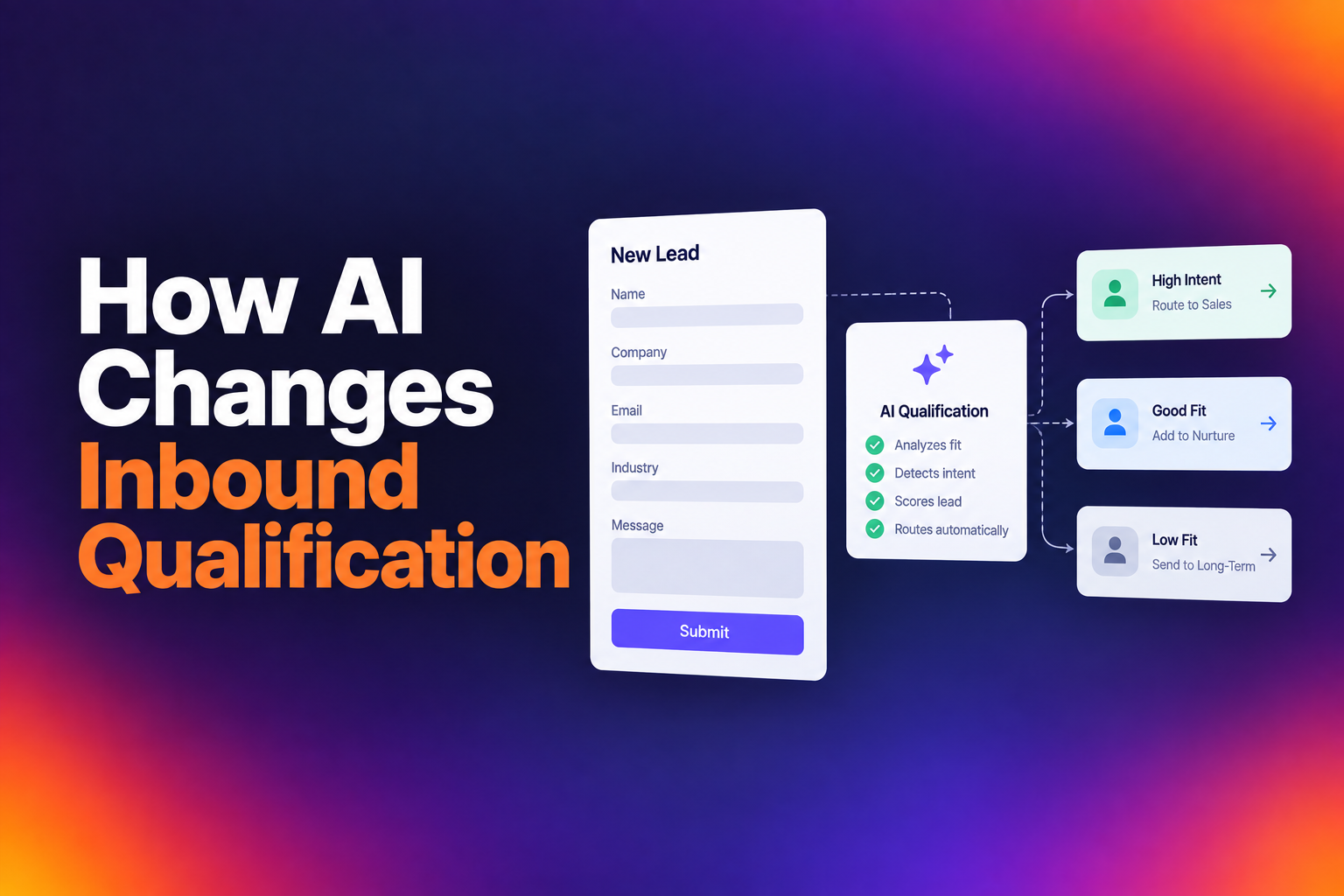
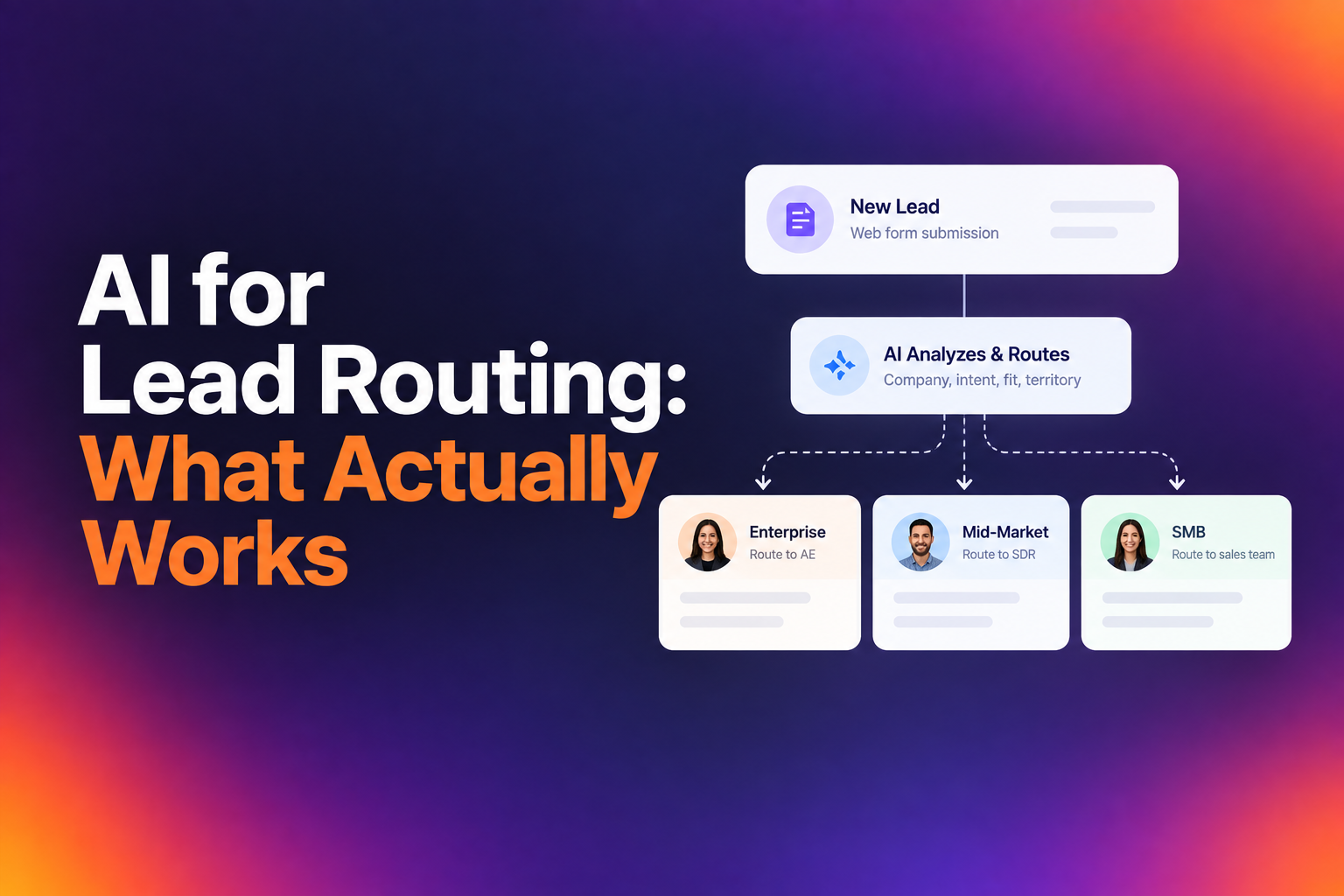
High-performing teams have removed the need for manual follow-ups by leveraging instant routing. At the moment a form is filled, rules execute in real time to assign a lead to the most relevant sales representative.
This is achieved by:
- Defining clear criteria – such as account type, territory, and product interest – to make immediate decisions
- An automated trigger that surfaces the correct calendar, ensuring prospects can book a meeting instantly
- Fallback logic that reroutes leads if the primary rep is unavailable, using backup pools or asynchronous options
This real-time process not only reduces friction but also nurtures the buyer’s initial intent, keeping the momentum alive.
Navigating the Complex World of Personalization
Personalization has been hailed as the holy grail of customer engagement. But it comes with its own set of pitfalls. According to Gartner, 53% of customers reported that personalized marketing made their purchase journey worse, and prospects were 3.2 times more likely to regret a purchase when overly personalized.
Clearly, personalization is not a one-size-fits-all solution. It needs to be executed with nuance and care to truly benefit both the buyer and the seller.
The Pitfalls of Misguided Personalization
Mistakes in personalization can lead to information overload. In some cases, buyers feel overwhelmed by the volume of personalized content that floods their inboxes. Data shows that when personalization is done poorly, prospects feel time pressure and are less inclined to engage further.
Consider these common missteps:
- Excessively granular messages that feel intrusive
- Automated emails bombarding prospects with too many details, prompting feelings of overwhelm
- Personalized pricing strategies that create time pressure, leading buyers to feel rushed
These missteps can have real consequences. For instance, research from McKinsey & Company shows that personalization must be balanced carefully to avoid buyer fatigue.
Optimal Personalization: A Balanced Approach
So what does a mature personalization strategy look like? It involves tailoring interactions without overwhelming the prospect and ensuring each touchpoint adds value. The goal is to build trust by providing relevant content-immediately after a lead is generated.
Here are ways to implement personalization seamlessly:
- Contextual Timing: Personalize after key actions, such as form submission, not before. This ensures that the buyer feels seen once they’re already engaged.
- Data-Driven Insights: Leverage analytics to understand what information prospects need and deliver it at the right moment. Granular reporting can help identify behavioral patterns.
- Streamlined Messaging: Keep communications concise and direct. Avoid overwhelming buyers with excess data which can lead to regret or decision fatigue.
This balanced approach avoids the pitfalls of over-personalization. Instead, it creates a more inviting and useful buyer experience-one rooted in operational efficiency and thoughtful data application.
Empowering Buyers Through Control
Ultimately, the buyer journey is not about companies pushing messages at prospects, but enabling buyers to act when they’re ready. Buyers crave control. They want the ability to schedule meetings, access personalized information on demand, and proceed at a pace that suits their busy lives.
Coupling instant routing with personalized, buyer-led interactions simultaneously empowers and engages prospects.
Buyer Frustration with Delayed Action
The problem escalates when prospects feel ignored. Imagine completing a form, expecting immediate engagement, only to receive a generic “We’ll be in touch soon” message. In that brief gap, buyers might consider alternatives or lose their urgency entirely.
Delayed responses lead to a cascade of negative outcomes:
- Frustration and diminished trust
- Increased likelihood of switching to vendors with real-time interactions (PROS survey)
- Potential for overwhelming the buyer with follow-up information after the fact
This scenario is unacceptable for teams looking to maximize inbound conversion and build reliable pipelines.
How Mature Teams Give Control Back to the Buyer
Sales teams that empower buyers integrate a system where control is balanced perfectly. They remove the guesswork by triggering an immediate, data-informed response the moment a lead is generated. This shifts the conversation from reactive follow-ups to proactive engagement.
Mature teams enable buyer control by:
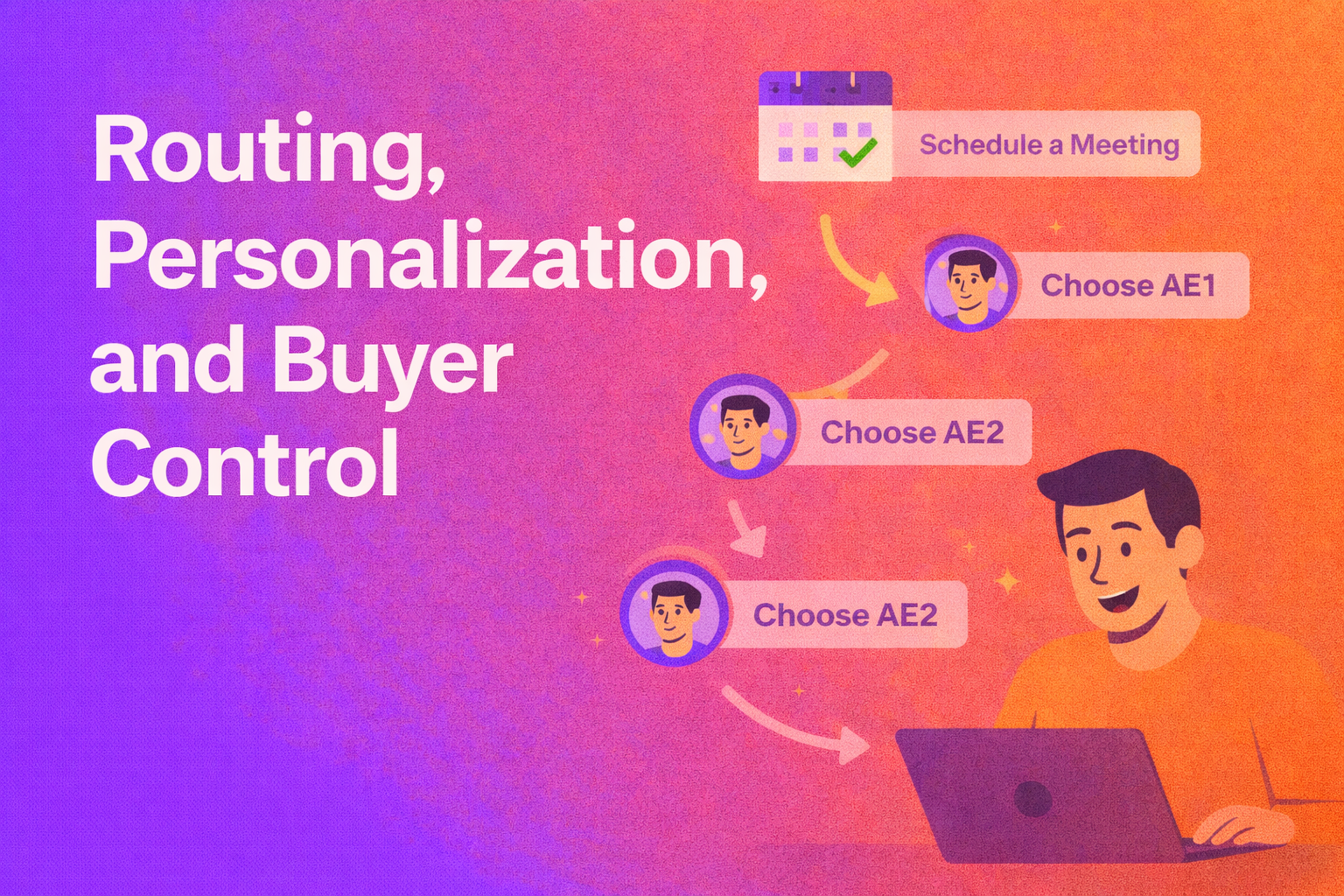
- Instant Scheduling: Offering prospects immediate of booking meetings on the correct representative's calendar, so they never wait.
- Personalized CTAs: Transforming email calls-to-action into one-click scheduling experiences, ensuring a frictionless transition from interest to meeting.
- Seamless Handoffs: Using smart meeting distribution that ensures a smooth transition between sales development representatives (SDRs) and account executives (AEs) with minimal administrative overhead.
When prospects feel in control, they are more likely to engage, leading to a higher likelihood of conversion without excessive follow-up from the sales team.
Speed to Lead: Closing the Follow-Up Gap
The moment a lead fills out their information, the clock starts ticking. In five minutes, a prospect’s interest can dissipate if not engaged with precision. RevenueHero’s approach to reducing follow-up gaps hinges on delivering speed to lead through automated routing and immediate booking options.
Understanding the operational reasons behind the follow-up gap is key to devising a solution that works.
Operational Root Causes of Follow-Up Delays
The problem is usually not a lack of effort but rather a systemic bottleneck. Let’s break down the operational reasons:
- Routing workflows that rely on manual intervention or round-robin systems
- CRM-to-Slack/email alerts that are delayed until after enrichment processes
- Generic thank-you pages that provide no immediate options for scheduling
- Lack of integration between lead capture and calendar availability
Each delay point creates friction that interrupts the natural progression of the buyer’s journey. By the time an assigned rep gets notified, internal delays already have cost the opportunity to engage.
Implementing a High-Velocity Routing System
Mature teams understand how to create a system that eliminates the follow-up gap altogether. They rely on automated triggers and proactive scheduling options that match buyer intent with the right sales resource instantly.
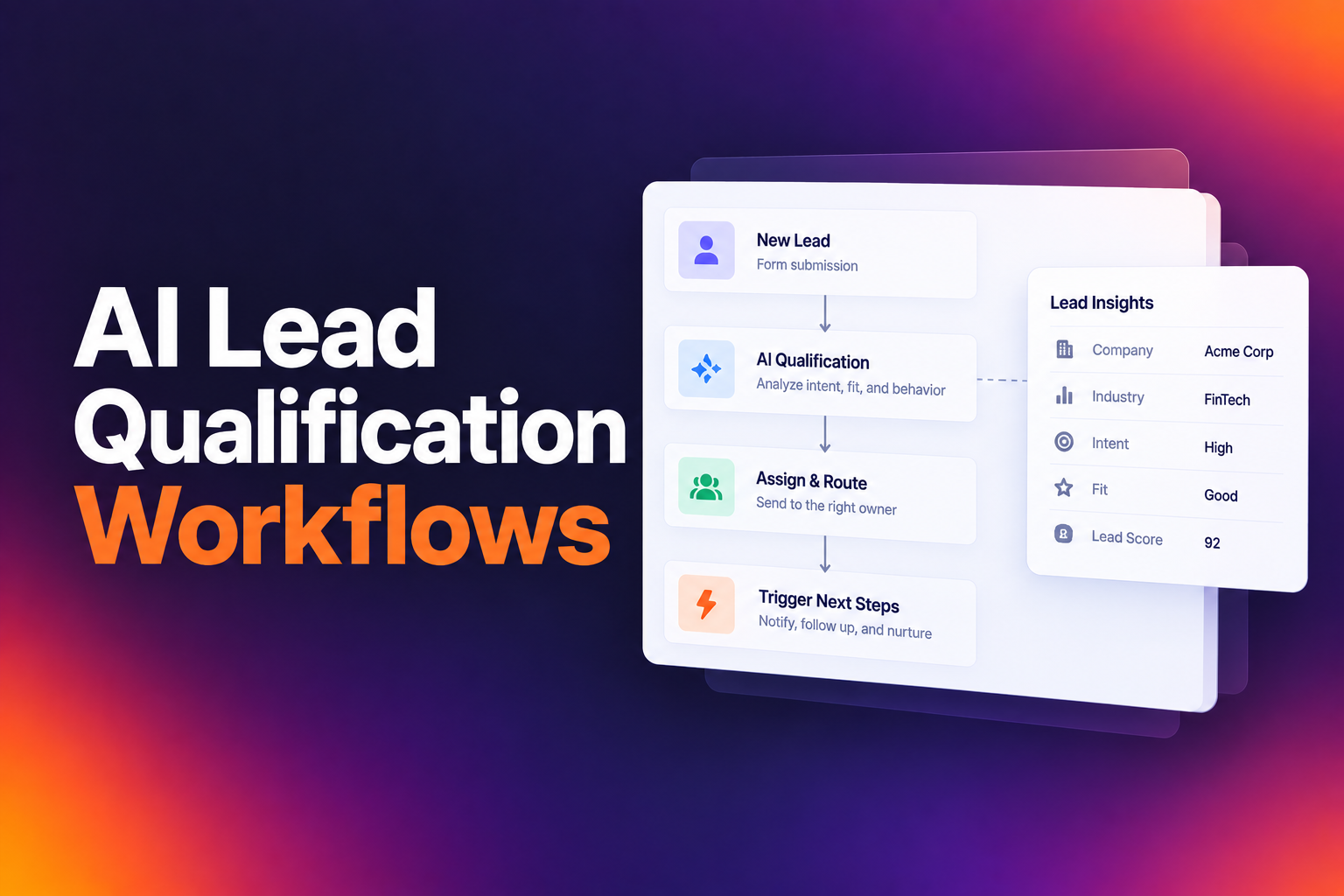
Consider the following steps for building a high-velocity routing system:
- Real-Time Lead Capture and Enrichment:
- Integrate form submissions with robust lead enrichment. This means that the lead’s data is augmented in real time, allowing the system to make an informed decision immediately. No more waiting for additional data points; the process is streamlined from the start.
- Dynamic Routing Rules:
- Define your routing parameters clearly: target accounts, geographical territories, product interests, and buyer intent signals. Run automated checks and assign leads instantly based on this data. A well-crafted rule set prevents leads from languishing in the system.
- Instant Calendar Integration:
- Show prospects the availability of their assigned sales rep at the moment of form submission. Eliminate the generic thank-you message and, instead, surface a personalized scheduling experience. This minimizes the time a prospect has to spend waiting or following up.
- Parallel Notifications and Reviews:
- Trigger instant notifications through Slack or email when a meeting is booked. This ensures that the entire sales team is aware of the new lead, and no handoff is left to chance. Simultaneous alerts reduce any deliberation on the rep’s part and empower immediate engagement.
Speed is a currency in inbound conversion. The quicker your system responds, the less room there is for doubt or distraction from the buyer. This is the essence of a high-velocity routing system.
Data-Driven Insights: Guiding the Future of Personalization and Routing
Data isn’t just a buzzword-it's the backbone of designing effective personalization and routing strategies. Granular reporting reveals critical details about buyer behavior and conversion trends, enabling teams to refine their processes continuously.
By focusing on measurable outcomes, mature teams evolve from reactive personalization efforts to proactive, data-informed strategies that deliver results.
Leveraging Data for Better Decision Making
Data-driven strategies require an in-depth analysis of how each touchpoint performs. For instance, analytics can reveal which personalized messages resonate and where the bottlenecks in routing occur. This insight allows GTM leaders to understand:
- The percentage of leads that convert after immediate scheduling options thanks to real-time calendar integration
- Which buyer segments respond better to personalized content without feeling overwhelmed
- How automated notifications impact follow-up speed and efficiency
RevenueHero’s granular reporting offers clarity on buyer behavior. With these insights, operational leaders can adjust rules, optimize messaging, and ultimately refine the interplay between personalization and routing.
Operational Adjustments Based on Data Insights
Once data highlights the areas of friction, it’s time to move from reaction to actionable improvement. Mature teams use the following approach to operational adjustments:
- Test and Learn: Continuously experiment with different messaging and routing configurations. Use A/B testing to gauge which strategies reduce follow-up times or improve conversion rates.
- Feedback Integration: Incorporate real-time feedback from the sales team and buyer interactions. Adjust automated rules to better reflect the dynamic nature of buyer behavior.
- Metric-Driven Decisions: Set clear KPIs such as time-to-lead conversion, booking rates, and customer satisfaction. Let these figures drive your strategy adjustments and validate new approaches.
This cycle of analysis, implementation, and re-analysis is at the heart of sustainable success. The precision of data transforms intuition into defined action plans that deliver tangible results.
Real-World Scenarios: Bridging the Gap Between Theory and Practice
Abstract ideas only go so far. Here's how operational GTM teams are applying these principles on the ground, bridging the gap between theory and actionable practice.
Consider these scenarios with realistic details that illuminate the benefits of new-age routing, nuanced personalization, and buyer control.
Scenario 1: The Instant Routing Success Story
A prospect fills out a demo request form on a technology company’s website. Instead of getting a generic “Thanks, we’ll be in touch” screen, a tailored calendar appears, displaying the availability of their designated Account Executive.
Within seconds, the prospect sees a real-time booking option, complete with a personalized message acknowledging their specific interest in the company’s new product feature. The system automatically routes this lead to the appropriate rep based on geographic location and product interest. The result? The prospect books a meeting immediately, and the rep receives a Slack notification with all the enriched details. This streamlined process ensures every moment of prospect engagement counts.
Scenario 2: Balancing Personalization Without Overwhelming Buyers
A B2B retailer implements data-backed personalization on their marketing emails. Instead of bombarding prospects with excessive details, the company provides a succinct, data-informed message upon a form capture. The email offers a single-click option to schedule a call while prompting the buyer to view a summary of relevant product features. This not only cuts through the noise but also respects the buyer’s time and need for control.
The result is a reduction in buyer frustration, lower bounce rates, and a positive shift in engagement metrics. The subtle personalization aligns perfectly with the buyer’s journey, crafting an experience that feels both responsive and respectful.
Scenario 3: Empowering Buyers to Drive the Conversation
A manufacturing company integrates an automated booking system into their lead capture process. Once a prospect submits their inquiry, they are immediately shown available times on the calendar of the appropriate sales rep. Coupled with a personalized disclaimer that acknowledges the prospect’s unique needs, they step into the meeting with the expectation that their needs are already understood.
The feedback from this process is clear: prospects appreciate the control and the immediate opportunity to move forward. No lingering "we’ll get back to you" messages, no further chasing. This buyer-led model reduces friction management by the sales team and enhances overall pipeline velocity.
Building the Future: The RevenueHero Perspective on Inbound Conversion
At the core, RevenueHero is about eliminating friction, miscommunication, and delays in your inbound process. The combination of real-time routing, data-informed personalization, and buyer empowerment changes the game entirely.
By focusing on immediate engagement and frictionless scheduling, teams transform the traditional sales funnel into a high-speed pipeline that closely mirrors the buyer’s pace.
Key Principles for High-Speed Inbound Conversion
RevenueHero’s approach is anchored in a few simple yet operationally mature principles, including:
- Instant Routing: Automatically match leads with the right rep the moment the lead enters the system.
- Clear Personalization: Ensure every personalized element-be it a meeting option or a tailored email-is directly tied to the buyer’s needs without bombarding them.
- Empowerment Through Control: Provide buyers with the tools to schedule meetings on their own terms, fostering a sense of autonomy that boosts engagement.
These principles eliminate the follow-up gap and create a process that not only converts leads faster but also nurtures a respectful and efficient buyer experience.
The Operational Shift: From Reactive to Proactive
High-performing teams no longer leave response times to chance. They integrate operational systems that predict, react, and adapt in real time. Here’s a snapshot of this shift:
- Instead of waiting for a rep to check the CRM, leads are automatically routed and scheduled.
- Instead of generic messaging, every interaction is tailored based on data insights gathered the moment the lead originates.
- Instead of reactive follow-ups, automated alerts and meticulously designed workflows ensure that every lead’s interest is capitalized on immediately.
This proactive model eliminates wasted time and unengaged prospects. It’s all about meeting the buyer exactly where they are-and moving them forward before their interest wanes.
Overcoming Common Challenges in Implementation
Adopting these strategies is not without its challenges. Many teams encounter stumbling blocks when transitioning from a legacy system to a real-time, automated model. Understanding these challenges and how to address them is critical.
Let’s drill down into the common issues and how operational leaders overcome them.
Data Integration and Cleanliness
One significant challenge is ensuring that the data used for personalization and routing is both current and accurate. Poor data quality can lead to misrouted leads and ineffective personalization efforts.
To overcome this:
- Establish rigorous data quality protocols: Regular audits, data cleansing routines, and clear standards for data entry.
- Integrate multiple sources seamlessly: Ensure your lead capture, CRM, and scheduling tools work in unison. This reduces errors and provides a holistic view of the buyer.
- Utilize real-time enrichment: Automatically update and verify data as soon as a form is submitted, so decisions are based on the most current information.
Effective data integration underpins successful routing and personalization. Without clean data, even the smartest automation can falter.
Balancing Automation with a Human Touch
Another common challenge is walking the line between automated systems and the personal touch expected in high-stakes B2B interactions. Automation should enhance the buyer experience, not replace meaningful interactions.
Teams tackle this issue by:
- Triggering human intervention at the right moment: Automation handles the initial engagement, while human reps step in for in-depth follow-ups.
- Crafting personalized content with clear, direct language: Ensure that even automated messages are vetted to maintain an approachable tone.
- Monitoring buyer reactions closely: Use feedback on automated messages to continually fine-tune the balance between efficiency and engagement.
This calibration ensures the buyer feels valued at every step without the delay of manual routing.
Tactical Adjustments in Real Time
The final challenge is adapting quickly when something isn’t working. Mature teams rely on real-time data to inform tactical changes. If a certain type of personalized message isn’t resonating, adjustments get implemented immediately.
Key tactics include:
- Real-time alerts to identify if leads are not booking meetings
- Instant A/B testing of new messaging based on current conversion rates
- Operational dashboards that track KPIs-such as booking times and engagement levels-in real time to adjust rules on the fly
This agile approach means that if any element of the process breaks down, mature teams fix it instantly. Operational excellence comes from constant iteration and rapid adaptation.
Bringing It All Together: The Winning Trio in Action
Routing, personalization, and buyer control are not isolated elements. When combined into a coherent system, they form the backbone of a winning inbound strategy. The intricate dance between speed to lead, targeted messaging, and an empowered buyer creates a pipeline where every minute counts.
RevenueHero champions these principles and brings practical, operational improvements that yield measurable results. The real-world examples have shown how swift automation and precise personalization convert interest into actionable meetings.
Systematic Integration for Inbound Conversion
Consider this final integration scenario. A prospect’s data is enriched the moment they fill a form. Automated routing assigns the lead to an available rep, and a personalized scheduling page is rendered on the spot. Within seconds, the buyer books a meeting, fully aware that their specific needs have been acknowledged. Simultaneously, an instant Slack alert notifies the rep with enriched details about the lead, ensuring the upcoming conversation is primed and personalized.
This systematic integration leaves no room for follow-up delays or generic interactions. Each operational decision is made in real time, keeping the buyer at the forefront of the process. It’s a definitive shift from chasing leads to capturing them at their most engaged moment.
Why Speed, Precision, and Buyer Control Matter
The statistics underscore the importance. When buyers don’t get what they need immediately, their trust is compromised. For example, Gartner research shows that personalized marketing, when mishandled, makes 53% of customers feel worse about their purchase journey. By contrast, companies that excel in personalization see significant revenue uplifts and improved buyer retention.
Routing and buyer control complement personalization by ensuring every touchpoint is timely and relevant. And when a buyer is allowed to control their engagement, the entire process becomes more natural and less forced, leading to lasting positive impressions.
Operational Takeaways for RevOps and GTM Leaders
The core takeaway is clear: speed to lead matters, and a system built with real-time data and robust automation is the difference between converting a prospect and chasing a ghost.
GTM and RevOps leaders need to consider these actionable steps to close the follow-up gap and elevate buyer experiences consistently.
Actionable Steps for Mature Teams
Here’s what operational leaders can start implementing immediately:
- Streamline Your Routing Process:
- Eliminate manual assignment steps by integrating a real-time routing system that assigns leads the moment they enter your CRM. Revisit your data integration pipelines regularly to ensure the most current info drives each decision.
- Deploy Immediate Scheduling Tools:
- Integrate personalized scheduling pages on your form submission confirmation. Empower buyers to book a meeting instantly, which not only cuts down on friction but also respects their limited time.
- Incorporate Data-Driven Personalization:
- Leverage real-time analytics to adjust your messaging and scheduling options in the moment. Use A/B testing and feedback from your sales team to refine your approach continually.
- Monitor and Adjust in Real Time:
- Establish an operational dashboard to track KPIs like booking rates and response times. With real-time insights, quickly shift tactics to remedy any drop in buyer engagement.
These tactical adjustments not only improve immediate conversion rates but also enhance buyer trust and streamline the overall sales cycle.
The Long-Term Vision: A Fully Automated, Buyer-Led Pipeline
The ultimate goal is to create an ecosystem where technology and human elements operate seamlessly. Instant routing, smart scheduling, and refined personalization are not endpoints-they’re building blocks for a future where your sales process is frictionless and buyer-centered.
By equipping your system to respond instantly, you’re not only keeping pace with the modern buyer’s expectations but also setting the stage for a higher return on every lead captured.
Final Thought: Eliminating the Follow-Up Gap for Good
If you’re optimizing your funnel for leads but not addressing what happens in the vital moments after a form is filled, you’re leaving significant revenue on the table. The process starts with removing delays in routing and personalizing engagements at precisely the right time.
This isn’t about working harder. It’s about designing a system where every element-from real-time data enrichment to instant scheduling-is aligned to meet the buyer’s needs immediately.
Concluding Insights
The winning trio of instant routing, balanced personalization, and robust buyer control can transform your inbound strategy. Operational delays and generic follow-ups are relics of a slower past. Today’s high-velocity teams are empowered by technology and data to immediately act on every lead.
This shift is not just about efficiency-it’s about building trust and ensuring that buyers feel valued from the moment they express interest. Real-time engagement means your leads aren’t just numbers. They’re potential partners who deserve your best response the moment they click submit.
A Call to Action for GTM Leaders
RevOps and GTM leaders need to reassess their current processes and ask: Is our routing system instantaneous? Is our personalization truly helpful, or just overwhelming? Are we giving buyers the control they expect?
Implement systems that answer these questions in real time. Harness the power of data-driven personalization balanced with immediate, automated responses. Let your team focus on high-value interactions rather than chasing delayed leads.
By embracing the principles outlined here, you are not only closing the gap-you're building a bulletproof system that propels your buyer’s journey forward at an unrelenting pace. That’s the RevenueHero approach, and it’s a game changer for anyone serious about inbound conversion.
Wrapping Up
Routing, personalization, and buyer control are more than buzzwords. They’re the cornerstone of a modern, efficient inbound process. The transitional gap between lead capture and meaningful engagement is where prospects are lost, and that gap must be closed immediately.
Today’s high-velocity GTM teams partner technology with operational excellence to drive speeds that match buyer expectations. As you integrate real-time routing, data-driven personalization, and on-demand buyer control into your workflows, you’ll see not just improved conversion rates, but a long-term boost in buyer satisfaction and pipeline velocity.
Steps for Immediate Implementation
To kick-start the transformation:
- Audit your current lead routing process and identify any bottlenecks.
- Deploy an instant scheduling interface that offers personalized, real-time booking options.
- Integrate your CRM with a fresh layer of data enrichment to ensure every piece of information counts.
- Monitor your KPIs relentlessly, and be prepared to adapt based on real-time data insights.
Nothing changes overnight, but with persistence and operational precision, your journey to operational maturity is guaranteed to yield remarkable results.
Your Next Steps with RevenueHero
If you’re ready to eliminate follow-up gaps and build a pipeline that truly reflects buyer urgency, explore how RevenueHero’s inbound revenue acceleration platform can be your game changer. Tailor your messaging, empower buyers, and let your sales team focus on what they do best-closing deals.
Get started today and lead your team into a future where every lead is captured in real time and converted with precision.
Remember: in a world where every minute counts, the only way to succeed is to embrace the winning trio-instant routing, balanced personalization, and complete buyer control.
Let RevenueHero help your team turn high-intent users into booked meeting without slowing down your funnel.