How to Remove Scheduling Friction from the Inbound Flow
Imagine a prospect filling out your demo form with genuine interest. They’ve found you, connected with your message, and are primed to take the next step. But if that positive momentum stalls – if there’s any delay or friction at the scheduling stage – the connection can fizzle out. This article digs into the operational issues that cause friction, explains why it happens, and shows how mature teams overcome these hurdles through smart automation and personalized scheduling.
Understanding the Scheduling Friction Problem
When a prospect submits a demo request, timing is everything. A slight delay can create a gap that often results in lost momentum. The challenge is not just having a booking tool in place, but embedding the right experience into your inbound flow.
Operational inefficiencies, manual routing, and generic thank-you pages cause a disconnect between form submission and appointment scheduling. The friction simply isn’t acceptable when speedy, personalized interactions are the norm.
The Root Causes of Friction
Several operational factors contribute to a friction-filled scheduling experience. These issues, left unaddressed, lead to slower follow-ups and a poor prospect experience.
- Manual Processes: Many teams rely on manual work. For example, routing rules may only fire after the CRM processes the lead, leaving a lag that the prospect can easily slip away from.
- Generic Thank-You Pages: A “we’ll be in touch soon” message that does nothing to engage the prospect’s intent to schedule an appointment. It might reassure, but it does little to move the process along.
- Delayed CRM Enrichment: The gap between data capture, lead assignment, and follow-up notifications is where friction thrives. Prospects are busy – every minute counts.
These pain points combine to create the follow-up gap. And by the time your rep gets around to following up, the prospect’s attention might have shifted elsewhere. According to Cognism, this gap is a real threat, with top performers reaching impressive conversion rates by minimizing these delays.
Operational Inefficiencies in the Old Way
Traditional approaches involved multiple manual steps, from CRM updates to routing decisions. Consider this scenario: A lead fills out a form, but the CRM waits a few extra minutes to enrich data before assigning the lead to a rep. In that time, the prospect might check another tool or book with a competitor. It’s a classic setup for lost opportunities.
The root of the problem lies in workflows that operate on outdated scheduling models and lack instant connection. Manual handoffs and data queues are not built for the speed and personalization that today’s prospects expect. This inefficiency means that your inbound flow, which should be a streamlined pathway from interest to meeting, becomes fragmented and sluggish.
The Impact of Friction on Conversion Rates
Operational friction translates into real-world losses. Studies show that even a short delay in follow-up can drastically reduce conversion rates. Sales teams face the challenge of catching up with interest that has already waned.
The negative consequences affect multiple parts of the GTM workflow. It’s not just about bookings; it’s about lost revenue, dissatisfied reps, and a stale customer experience. The data is clear: reducing friction is crucial for boosting conversion rates.
Conversion Rate Realities
The impact on conversion starts the moment a prospect submits their details. For example, in 2025, inbound cadences converted as little as 5.6% of added prospects into meetings. Yet, top performers managed conversion metrics between 50-90% by removing the friction between form submission and scheduling. The takeaway is simple – when you remove friction, you remove obstacles to conversion.
This evidence makes it clear that speed and seamless transitions are critical for inbound flows. A scheduling delay can be the difference between a booking and a dropped lead.
Effects on Buyer Experience
Your buyer’s experience sets the tone for all future engagements. They want to feel valued and important. A frictionless scheduling process shows that you are attentive to their needs and capable of delivering fast results.
When scheduling friction is removed, the buyer feels a personalized touch – a key factor in building trust. In fact, 75% of customers prefer booking appointments online rather than in a prolonged phone call, as noted by industry findings. This preference underscores the value of immediate, automated booking experiences over traditional methods.
The New, Operationally Mature Way
Operational maturity in lead routing and scheduling means rethinking the entire process from the moment a demo request is entered. It’s about stripping friction, engaging the prospect instantly, and letting technology work for you.
The mature approach removes every barrier by integrating instant scheduling with deep automation. Let’s dive into how high-performing teams do it.
Instant Routing and Calendar Surfacing
The first step in a frictionless scheduling process is to route the lead instantly. You don’t wait for round-robin assignments to kick in or a CRM to finish data enrichment. Instead, the process is automated and instant.
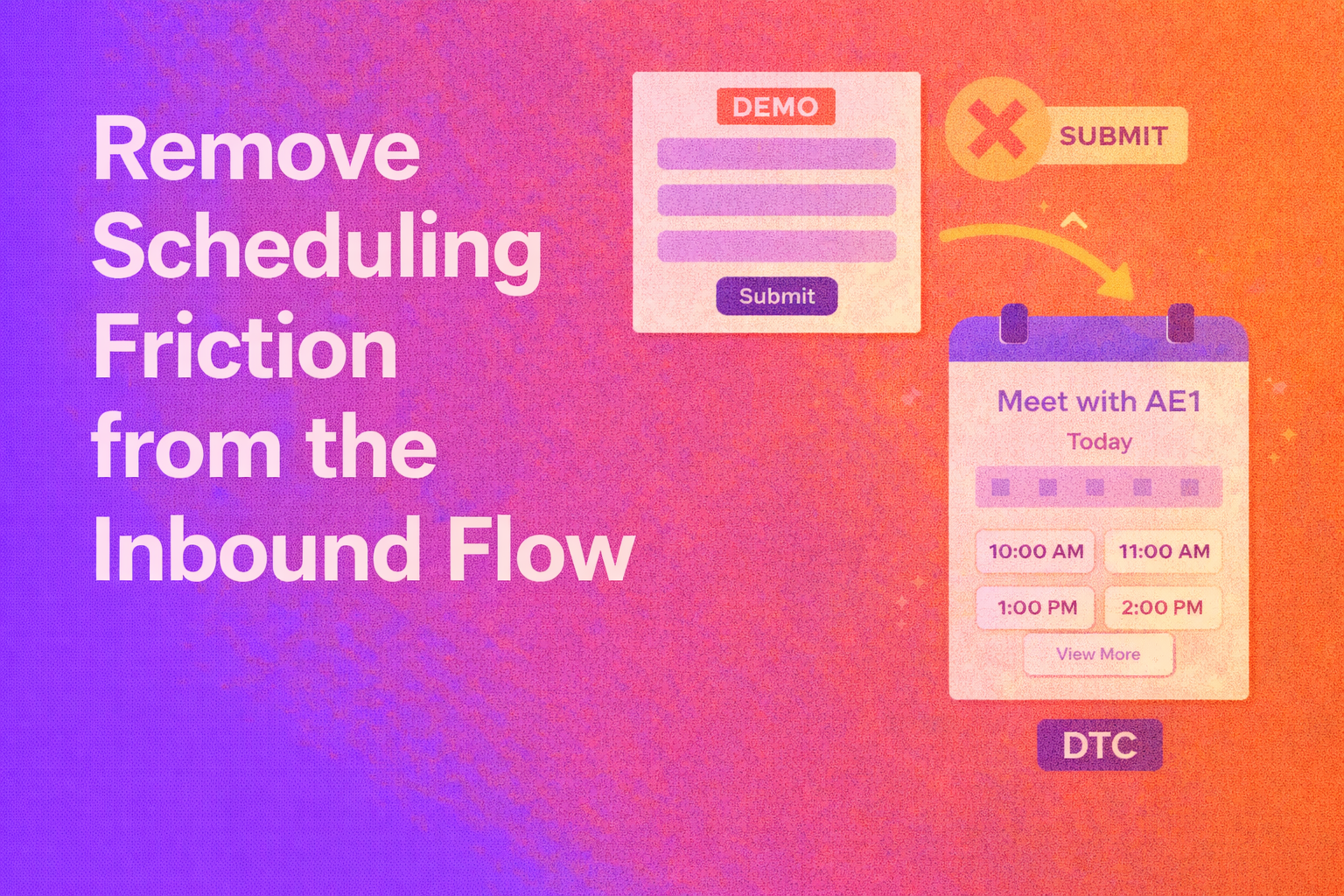
RevenueHero’s platform leads the way by ensuring that once a form is filled, routing rules immediately kick in. For instance, if a lead belongs to a specific territory or named account, conditions are applied in real time, and the matching AE’s calendar is automatically surfaced.
- Immediate Calendar Display: Show available slots right when the prospect submits their contact info. No chasing, no waiting.
- Dynamic Meeting Distribution: Automatically assign leads to the right rep, optimizing for time zones, expertise, or territory while keeping the process seamless.
This automation minimizes downtime and ensures that prospects can secure an appointment before they lose momentum. The difference between proactive scheduling and a delayed manual call is striking.
Eliminating the Follow-Up Gap
Removing the follow-up gap is more than just speed-it’s about creating an experience where the prospect feels immediately attended to. High-velocity teams set up parallel alerts that trigger notifications the moment a meeting is booked.
Consider a scenario: While the system routes an inbound lead into the right calendar, automated alerts ping the corresponding sales rep. There’s no need for manual follow-up because the system ensures every booked meeting is promptly acknowledged.
- Direct Alerting: Rep receives instant notifications without delay.
- Fallback Logic: If no rep is available, the process automatically surfaces alternative booking options – such as an option for asynchronous video meetings – ensuring no lead slips through the cracks.
This workflow means that while traditional systems chase leads and scramble to catch up, effective GTM teams have created a system that never misses a moment. Automation here directly translates to higher conversion and less wasted time.
Personalization at Scale
Personalization is not a buzzword here-it’s a tactical necessity. Incorporating real-time prospect data into the scheduling process personalizes the experience and significantly increases the likelihood of booking a meeting.
RevenueHero’s technology does this at scale: it taps into prospect data, uses intelligent matching, and offers flexible scheduling options that fit each unique scenario.
Granular Matching of Prospects to Reps
Mature GTM teams match incoming leads with the ideal rep based on a variety of criteria. It goes beyond territory matching; it includes behavioral data, past interactions, and specific needs highlighted during the form submission.
The system, for example, can process data points like industry, company size, or even product interest and assign the lead to a rep whose expertise aligns with these parameters. This ensures every conversation kicks off with a tailored touch that resonates with the prospect.
- Data-Driven Insights: Leverage granular reporting to continuously calibrate matching and improve outcomes.
- Smart Distribution: Automated routing considers real-time availability, ensuring a seamless handoff.
Systems that integrate these capabilities see not only an improved buyer experience but also increased conversion rates. The approach is simple: if the prospect feels understood and valued immediately, they’re more likely to book a meeting.
Flexible, Real-Time Scheduling Experiences
The new paradigm requires flexibility. Rather than providing a static set of times or a generic waiting promise, high-performing teams offer a dynamic scheduling experience.
Imagine a prospect filling out the form and, within seconds, being presented with a calendar that reflects the rep’s availability. This isn’t just operational efficiency – it’s a personalized scheduling experience designed to maximize engagement.
- Real-Time Slot Availability: Instantly display available meeting times specific to the prospect’s time zone and the rep’s schedule.
- Multiple Touchpoints: Allow prospects to choose a time that works best for them with options to reschedule if needed.
With automation at the helm, every element of the scheduling process speaks directly to the prospect, reducing any uncertainty. Automation boosts sales productivity and reduces marketing costs, as shown by reliable industry insights.
Streamlining the Buyer Journey
The buyer journey in B2B sales is complex, with multiple touchpoints before the final decision. Removing friction from the scheduling phase is simply one part of a broader strategy to create a smooth, efficient experience.
Every interaction should contribute to a positive journey. When one element, like scheduling, is marred by delays or inefficiencies, the entire process suffers. Mature teams address each step in a unified manner to ensure consistent, high-quality prospect interactions.
The Importance of Immediate Engagement
Speed is critical. For many prospects, the window between interest and engagement is razor-thin. When a scheduling step reintroduces delays, that window can close quickly.
Immediate engagement is part human touch, part smart technology. As soon as a prospect completes a form, the connection must be strengthened by surfacing available meeting times and direct rep notifications. This dual approach-personalized human interaction combined with real-time automation-ensures that the buyer feels attended to promptly and professionally.
- Instant Responses: Augment fast responses with the appropriate human oversight so that prospects feel attended to.
- Consistent Experience: Each step of the process, from form fill to scheduled appointment, should be seamless and intuitive.
- Data Utilization: Use buyer data to personalize not just the meeting time but also future interactions, building trust from day one.
This proactive engagement stands in stark contrast to outdated systems where prospects were left waiting. By removing any gaps, you not only secure meetings faster, but you also create a more memorable first impression.
Case Example: A Modern GTM Workflow
Consider a B2B tech company that switched to an automated, real-time scheduling system. Instead of a delayed manual follow-up, prospects saw a calendar embedded directly in the thank-you step of the demo form.
Here’s what happened:
- The prospect filled out the form and was immediately presented with dynamic calendar options.
- An automated rule matched the lead to a rep with the right skillset, based on industry and territory.
- The scheduled meeting was instantly confirmed, and the rep received a notification.
- Granular reporting later revealed that the conversion rate of demo requests had shot up by nearly 40%.
This operationally mature approach showcases the power of combining automation with personal touch. The system eliminated manual delays and offered prospects exactly what they needed-speed, clarity, and a tailored meeting experience.
Overcoming Common Operational Hurdles
Despite the benefits, some organizations still struggle with longstanding operational challenges. Addressing these head-on is critical for ensuring a frictionless inbound flow.
Improving your inbound scheduling begins with a clear understanding of the obstacles in your current process. Here are some steps to consider.
Identifying Bottlenecks and Delays
The first step is pinpointing where delays occur. Mapping out your inbound flow from lead capture to meeting scheduling helps you identify friction points.
Common bottlenecks include:
- Time lags in CRM data enrichment and assignment
- Manual steps that slow down routing and notification processes
- Overly generic thank-you pages that fail to immediately engage
Identifying these pain points is essential before implementing any solution. Once you know where the delays occur, you can systematically address each one through targeted automation and process redesign.
Implementing a Faster Inbound Process
The operational fix is to automate wherever possible. Mature teams invest in platforms like RevenueHero that integrate intelligent lead routing with real-time scheduling. The moment a form is submitted, the system should:
- Instantly match them with the right sales rep based on pre-defined rules.
- Display the corresponding rep’s availability without any delay.
- Trigger simultaneous alerts to notify and prepare the rep for the upcoming meeting.
This level of automation eliminates the friction that typically results in the follow-up gap. According to insights from Cognism, operationally mature teams that implement similar strategies see significant improvements in conversion metrics.
Continuous Analysis for Improvement
Automation isn’t a set-and-forget solution. Constant monitoring and granular reporting are necessary to fine-tune your gated workflows. Teams can leverage insights into buyer behavior, meeting outcomes, and conversion patterns to continually optimize scheduling practices.
Using real-time analytics to track where prospects drop off, high-performing teams continuously tweak their approach. This data-driven mindset helps refine routing rules, discovering which criteria most reliably predict a booked meeting. And when every detail is fine-tuned, you get a frictionless system that consistently nurtures lead momentum without manual intervention.
Case Studies: Real-World Success with Frictionless Scheduling
The theoretical improvements are significant, but real success stories highlight the tangible benefits. Let’s explore scenarios where removing scheduling friction transformed inbound flows and turbocharged conversion rates.
These case studies reveal how operational tweaks lead to high conversion and happier teams.
Case Study 1: Streamlined Calendaring in Action
A SaaS company revamped its inbound process by eliminating manual routing. Instead of relying on traditional CRM processes, the company implemented instant calendar surfacing through an automated platform.
Before the change, prospects were left waiting for a rep to follow up. With the new process:
- Prospects saw the rep’s calendar in real time immediately after form submission.
- The system triggered instant notifications to the designated rep.
- Conversion rates improved dramatically; the immediate booking removed the need for back-and-forth communication.
This example illustrates the power of integrating instant scheduling with proper lead assignment. Removing friction reduces the chance of a prospect losing interest during a critical time window.
Case Study 2: Data-Driven Refinement
Another company focused on a data-driven approach to streamline its inbound flow. By using granular reporting, they identified specific points where prospects were hesitating.
The company adjusted its system to:
- Directly display the rep with the highest subject matter expertise.
- Personalize the available booking times based on prospect data.
- Automatically send tailored reminders post-booking that further increased meeting attendance.
The result was a significant uptick in the number of qualifying meetings. This case confirms that when data is used to refine the routing logic, the buyer journey becomes smoother and more responsive.
Building Long-Term Operational Efficiency
The journey to frictionless inbound scheduling is ongoing. It requires fine-tuning, analysis, and adaptation as buyer behaviors and technology evolve. For revenue teams, the objective should always be continuous improvement.
Embracing operational efficiency not only secures immediate benefits but also brings long-term advantages to the entire sales cycle. Let’s look at how to maintain that edge over time.
Maintaining Agile Systems
Operational agility is the cornerstone of a frictionless scheduling process. Systems must be flexible enough to adjust to the nuances of different buyer journeys.
Successful teams often set up mechanisms for regular review. They monitor KPIs such as booking conversion rates and rep response times. This proactive approach ensures any emerging bottlenecks are immediately addressed.
- Routine system audits to test for delays in data processing.
- Regular updates to routing algorithms based on fresh prospect data.
- Constant training for teams to ensure they use the tool’s full potential.
This focus on agile systems means that even as external factors change, your inbound flow remains robust and adaptive. It’s not just about installing software-it’s about making that software an integral part of a dynamic operation.
Leveraging Real-Time Feedback
Part of building operational efficiency is integrating real-time feedback loops. When every booking, cancellation, or rescheduling event is captured, you have a goldmine of information to refine the process.
High-performing teams use these insights to refine workflows continuously. They adjust routing criteria, experiment with automated messaging, and even tweak the UI of the booking interface to ensure nothing stands in the way of a successful conversion.
Tools like RevenueHero empower teams to not only set up these feedback loops but also to act on the data immediately. This iterative process is vital-what works today may need adjustment tomorrow as the market and buyer behaviors evolve.
Scaling Personalization with Automation
The scalable nature of automation means you don’t have to sacrifice personalization for efficiency. In a frictionless scheduling ecosystem, both elements work hand in hand.
When prospects book a meeting through an automated system, the experience remains tailored – from matching them to the right rep to sending a personalized confirmation. It’s a win-win that drives both higher conversion and enhanced buyer satisfaction.
Marrying Data with a Personal Touch
Automation enables granular personalization. Every interaction can be infused with data insights that resonate with the prospect’s needs. For example, if a lead has shown particular interest in a specific product feature, the system can route them to a rep who specializes in that area.
This level of customization sends a clear signal: your organization pays attention to details and values its prospects enough to tailor the experience based on individual needs. Operational maturity isn’t about removing the human element-it’s about enhancing it with smart automation.
- Automatically embed personalized calendar matches based on prospect profiles.
- Deliver customized follow-up messaging immediately after a meeting is booked.
- Use buyer data to prioritize outreach and ensure that every touchpoint feels deliberate.
These approaches result in a system where each prospect is treated as an individual, boosting both engagement and conversion rates.
Streamlining Through Integration
A frictionless scheduling system works best when it speaks to other parts of your tech stack. Integrating scheduling with CRM, analytics, and marketing automation ensures every part of the process is aligned.
This integration means that as soon as a meeting is booked, the event is tracked, assigned, and incorporated into future follow-up efforts. More than just time-saving, it creates a unified view of the buyer journey.
Integrating plug-and-play solutions that seamlessly communicate with existing systems makes it easier for your team to focus on high-value tasks rather than chasing data. This cohesion is a key factor in operational maturity.
Future-Proofing Your Inbound Flow
The marketplace evolves, and so do buyer expectations. What works today might need rethinking tomorrow as new data-driven insights emerge. Future-proofing your inbound flow involves regular audits, continuous learning, and embracing the latest technological advances.
The goal is not only to address today’s friction but to anticipate and mitigate tomorrow’s challenges.
Staying Ahead with Data-Driven Strategies
Data is your roadmap. As insights from TimeForge and other leading analyses suggest, continuous data evaluation is critical in pinpointing inefficiencies before they become obstacles.
Mature GTM teams invest in tools that offer granular reporting and actionable insights. With constant monitoring, you can tweak scheduling algorithms, refine lead routing systems, and ultimately stay a step ahead of evolving buyer behaviors.
When every piece of data is analyzed and leveraged, your inbound system becomes increasingly adept at handling new challenges. The strategy is simple: let analytics inform every decision and keep refining the process.
Preparing for the Next Wave of Buyer Demands
As the technological landscape evolves and buyer expectations deepen, prepare for the next wave of demands by integrating flexible, update-ready systems. Buyers are no longer impressed merely by speed; they expect an intuitive and adaptive experience.
Systems must be robust enough to integrate with future software, provide comprehensive datasets, and adapt to new modes of engagement such as hybrid in-person and virtual appointments. The more agile your setup, the better equipped you are to face evolving challenges.
This forward-thinking approach ensures that even as the market shifts, your inbound flow remains a competitive advantage rather than a bottleneck.
Operational Excellence: The Ultimate Competitive Advantage
The driving force behind successful GTM strategies is operational excellence. When every aspect of the inbound flow is optimized, you’re not just booking meetings – you’re ensuring that each prospect journey is as smooth and tailored as possible.
Operational excellence means building a system that is fast, reliable, and deeply integrated with both technology and human expertise. RevenueHero’s platform exemplifies this competitive advantage by ensuring that scheduling friction is eradicated, and every lead is handled with precision.
Aligning Sales Teams with Automated Workflows
A truly frictionless experience starts with aligning your sales teams with an automated workflow that takes the guesswork out of lead management. When the system assigns leads instantly and displays the rep’s real-time calendar, there’s no more chasing after prospects.
This alignment not only improves efficiency but also creates a transparent process where responsibilities are clearly defined and executed without delay. High-performing teams recognize that successful outbound conversion is more about listening and adapting than simply chasing leads.
- Automated lead assignment aligns responsibilities and speeds up engagement.
- Real-time alerts ensure that no lead is overlooked.
- Consistent, data-driven processes replace the need for manual follow-up.
When sales teams work in tandem with a sophisticated scheduling system, the result is unmatched operational efficiency that positions your brand as both responsive and reliable.
Integrating Continuous Training and Feedback
Even the best systems require ongoing human oversight. Continuous training for sales and operations teams ensures that everyone understands how to leverage automation tools to their fullest potential.
Moreover, regular feedback sessions – backed by granular data insights – help fine-tune processes, ensuring that your system evolves along with the team’s capabilities. Effective GTM agencies routinely review key performance metrics and make necessary workflow adjustments.
This combination of advanced technology and dedicated human oversight is the essence of operational excellence and the foundation for a frictionless inbound scheduling experience.
Wrapping It Up: A New Era of Inbound Scheduling
The era of operational inefficiency, manual follow-ups, and friction-filled scheduling is behind us. With the strategies outlined in this article, RevenueHero is paving the way for a new era where every prospect experience begins with seamless automation, real-time engagement, and personalized attention.
Removing scheduling friction isn’t just about adopting a new tool-it’s about rethinking your entire inbound process. Established GTM teams already leverage automated routing, real-time calendar integration, and granular reporting to ensure that no lead is left behind.
A Call to Action for Revenue Leaders
If you’re a RevOps or GTM leader who wants to maximize your inbound conversions, the path is clear. Review your processes, identify where friction creeps in, and make the operational changes necessary to build a frictionless system.
Invest in technologies that not only enhance speed to lead but also bring data-driven insights and personalization together in one powerful platform. When you empower your team with tools that remove the follow-up gap, you’re not only driving higher conversion rates-you’re setting a new benchmark for buyer engagement and operational excellence.
Looking Ahead
The future of inbound scheduling lies in automation, advanced data analytics, and real-time adaptation. With research illuminating that automation boosts sales productivity by over 14.5% () and flexibility leading to higher conversion rates, the evidence supports one clear strategy: remove friction to maximize impact.
RevenueHero’s approach to inbound scheduling is centered on creating this frictionless experience, ensuring that better engagement today sets the stage for lasting relationships tomorrow. By aligning instant scheduling with buyer behavior insights and efficient operational processes, high-performing teams are already reaping the rewards of significantly enhanced conversion rates.
Final Thoughts
Every minute counts when a prospect fills out your demo form. The difference between immediate engagement and a delayed response could be the difference between a booked meeting and a lost opportunity. With the strategies discussed above – from removing the follow-up gap and automating routing to embedding personalized calendar displays – the operational roadblocks that once hindered your inbound flow are well within reach of being completely eradicated.
For RevOps and GTM leaders, the choice is simple: continue working with friction or invest in a framework that delivers immediate, personalized, and scalable scheduling experiences. In today’s competitive marketplace, the operationally mature way isn’t optional; it’s essential for maintaining momentum and driving revenue growth. Embrace the new era of scheduling, and let each demo request transform seamlessly into a meaningful engagement that propels your business forward.
With frictionless scheduling in place, your team can concentrate on what really matters-delivering value to your prospects and closing deals efficiently. The tools and strategies are here. Now it’s up to you to remove the barriers and unlock the full potential of your inbound flow.
Let RevenueHero help your team turn high-intent users into booked meeting without slowing down your funnel.