Connecting Your Demand Gen and Routing Logic
Your prospect just filled out a demo form. They’re ready, engaged, and want answers now. The question is, does your system deliver? Too often, routing delays and outdated processes stop you from capturing that moment. Today, we dive into bridging demand generation and routing logic for real results.
This article breaks down the problem, explains why it exists, and lays out the practical steps high-velocity GTM teams use to eliminate friction in the booking process. It’s time to upgrade your demo conversion strategy with actionable insights and real operational details.
Understanding the Demand Generation and Routing Gap
The disconnect between lead generation and routing is a major contributor to lost opportunities. When prospects are ready, the system lags. That delay costs a sale.
The traditional workflow for demo requests is riddled with delays and inefficiencies. In today’s digital world, delay is equivalent to lost revenue. Let's look at the root of this gap.
Defining the Follow-Up Gap
When a prospect submits a form, you assume the demo is booked. What happens next? Manual processes kick in. This delays follow-up and risks letting the lead slip away. The “follow-up gap” happens when the lead sits in your CRM without immediate booking options.
With the right automation, you can offer instant scheduling, ensuring the prospect’s momentum is maintained. In mature systems, there isn’t a “we’ll follow up” delay. Instead, prospects immediately book meetings right after form submission.
Operational Hurdles That Cause Delay
It’s not about intent. Your team might want to act quickly, but operational issues get in the way.
- Manual routing workflows waiting for a round-robin or owner lookup
- Generic thank-you pages offering no immediate call to action
- Crucial delays between CRM enrichment and rep alerts
- Systems that lack instant calendar integration for booking
Every step where a prospect has to wait increases the chance they’ll lose interest or look elsewhere. As RevenueHero optimizes inbound conversion, the goal is clear: remove friction at every stage.
Data-Driven Evidence of the Problem
Recent studies have shown that companies using AI-powered tools experienced a 50% increase in lead generation and a 25% boost in conversions. This statistic, shared by experts at PepperInsight, illustrates the power of automation. Delays in routing may be why some companies see only a fraction of these possible gains.
Understanding these data points helps set the stage for the necessary shift. The operational complexity adds up over time, resulting in low booking rates and increased no-shows.
The Old Way vs. The New Way in Routing Logic
A common objection is the belief that manually following up with prospects is sufficient. Unfortunately, even well-meaning teams fall into the trap of outdated practices.
Modern GTM leaders are turning to automated routing, meaning that follow-up takes place immediately at the moment of form fill.
What the Old Way Looked Like
Traditionally, the process was simple: a prospect fills out a form, and a generic thank-you page appears. Then, behind the scenes, a rep eventually follows up via email or call.
In that gap between submission and follow-up, several things might occur:
- The prospect could get distracted by another tool
- They might join another meeting, pushing your message further down their to-do list
- Or even worse, they book a meeting with someone else who offers an instant experience
The operational consequence? The intent is lost, and the chance for conversion drops.
The New Way: Instant Routing and Scheduling Integration
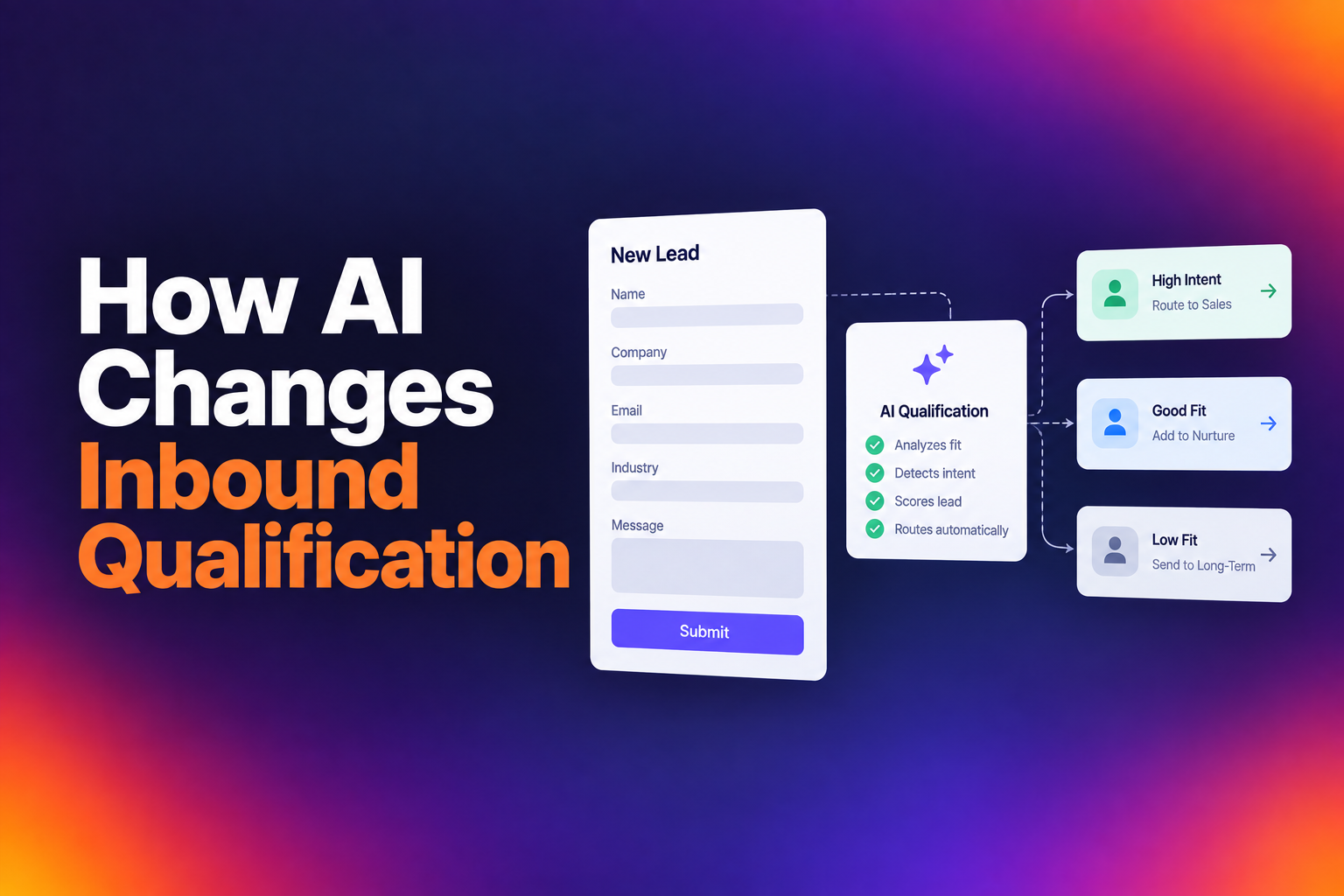
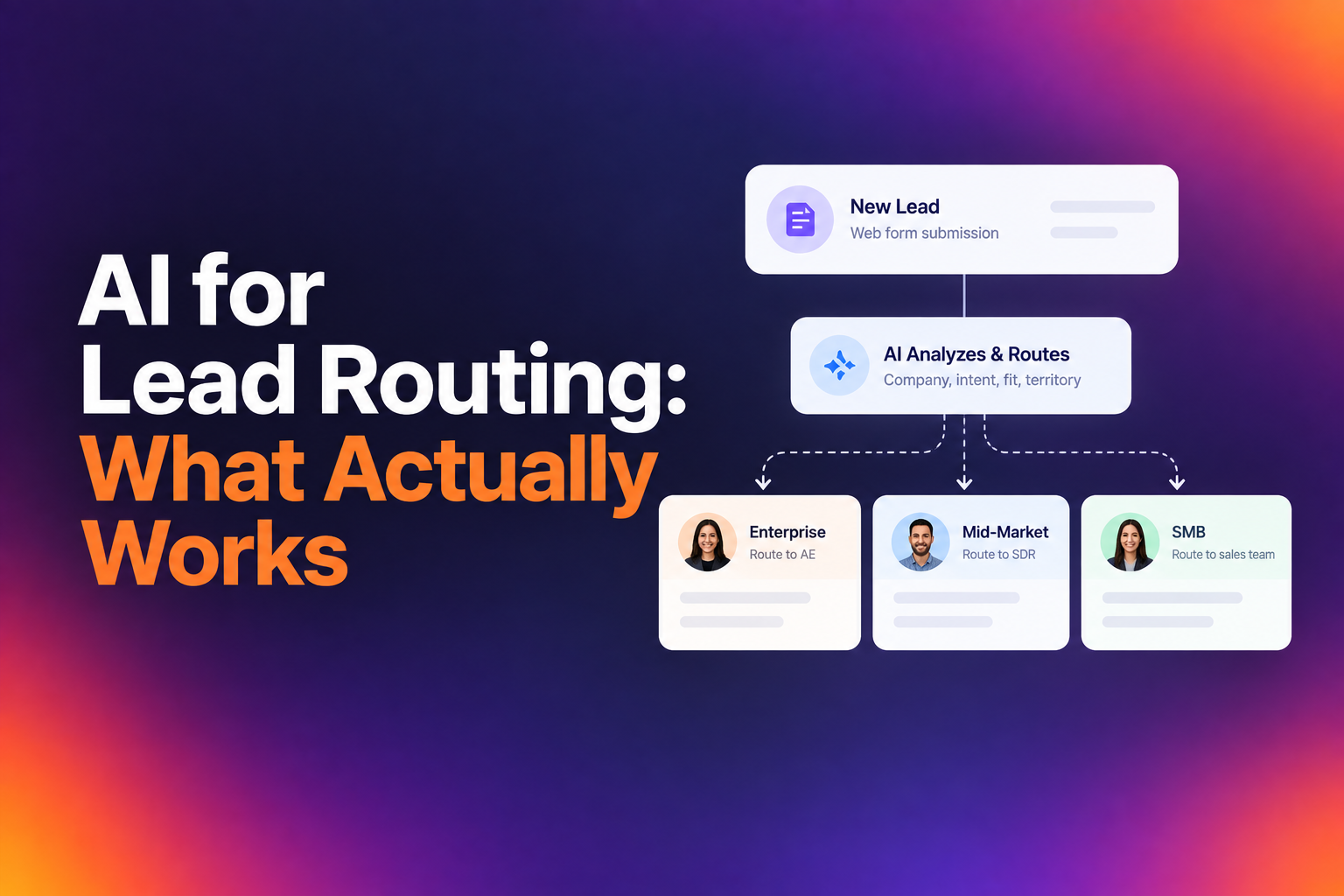
The new way resolves the follow-up gap by integrating instant routing with scheduling capabilities. Rather than waiting for manual assignment, advanced systems immediately assign leads based on intelligent rules such as account type, territory, or past interactions.
This means that the moment the prospect fills out the form, they are directed to an instant scheduling interface. Such a system doesn’t “promise” follow-up later-it provides immediate booking options to secure the meeting on calendar.
Real Operational Improvements
Mature GTM workflows include the following features:
- Auto-Routing: Rules based on prospect data direct leads instantly. There’s no waiting for enrichment delays or manual reassignment.
- Instant Calendar Integration: The system surfaces the correct AE’s availability immediately following form submission.
- Automated Notifications: Instant alerts via Slack or email ensure that the assigned rep is aware of the booking and can prepare ahead of time.
- Fallback Mechanisms: In scenarios where an AE isn’t available, intelligent fallback options automatically route leads to backup teams or provide asynchronous options, like pre-recorded video demos.
By applying these operational improvements, mature teams not only increase qualified bookings but also streamline the entire conversation process.
Personalization at Scale With Data-Driven Insights
Personalization isn’t just a buzzword; it’s essential to making connections with modern B2B buyers. Data-driven insights let you tailor messages, outreach tactics, and even the demo experience based on individual prospect behavior.
RevenueHero blends intelligent data analytics into the demand generation process to anticipate needs and create smoother conversions. Here’s how you build a personalized routing system that works.
Operationalizing Data-Driven Insights
High-volume GTM teams often struggle to tailor follow-up interactions to each prospect. With AI-powered tools, insights can be gathered from multiple sources and deployed at scale.
Consider these steps:
- Collect Real-Time Data: Use analytics to monitor behavior the moment a lead shows interest.
- Integrate with Routing Logic: Map this data directly into rules for lead assignment. If a prospect meets certain criteria, they immediately see the relevant rep’s calendar.
- Personalized Alerts: Notify the appropriate representative instantly, including rich data insights that help guide the conversation strategically.
This integration means that rather than a generic “Thank you” page, your system displays a tailored scheduling tool that speaks directly to the prospect-enhancing conversion rates significantly.
Why Personalized Scheduling Makes a Difference
Personalized scheduling minimizes friction. When a prospect feels the process is tailor-made to their needs, trust forms quickly. This trust is further reinforced by the speed and relevance of their interactions, all powered by AI and automation.
According to Brixon Group, the demand for AI in marketing is about more than numbers; it’s about shaping real, one-to-one conversations at scale. With 75% of all B2B companies set to use AI-powered tools by 2025, personalization at scale is not a future trend-it’s today’s imperative.
Concrete Examples of Successful Personalization
Imagine a scenario where a tech company uses an intelligent routing system to size up a lead right as they book a demo. Instead of sending a generic confirmation email, the prospect is greeted by their assigned rep’s name, a tailored meeting agenda, and specific insights related to their industry challenges. This is how mature teams manage prospect engagement and secure higher conversion rates.
Real-world cases show that when prospects can book a meeting immediately, conversion climbs dramatically. In one fintech campaign shared by LeadSpot, quick engagement drove a 36% increase in qualified leads, all by eliminating follow-up delays.
Streamlined Booking Processes: The Key to Accelerating Conversions
Speed in booking can be the difference between an engaged prospect and a missed opportunity. When a lead is ready, every minute counts. Automation must support every step-from form fill to calendar booking.
RevenueHero’s solution emphasizes instant scheduling integrated with robust lead routing, meaning your prospects are never left waiting.
System Capabilities That Enhance Efficiency
Efficient booking systems are built on a robust backend that integrates multiple functionalities. Mature systems provide a blend of automation and adaptability:
- Real-Time Form-to-Calendar Integration: When a prospect submits a form, the system immediately surfaces the right calendar availability. There is no delay, no “we’ll be in touch later,” and the prospect can secure a slot on the spot.
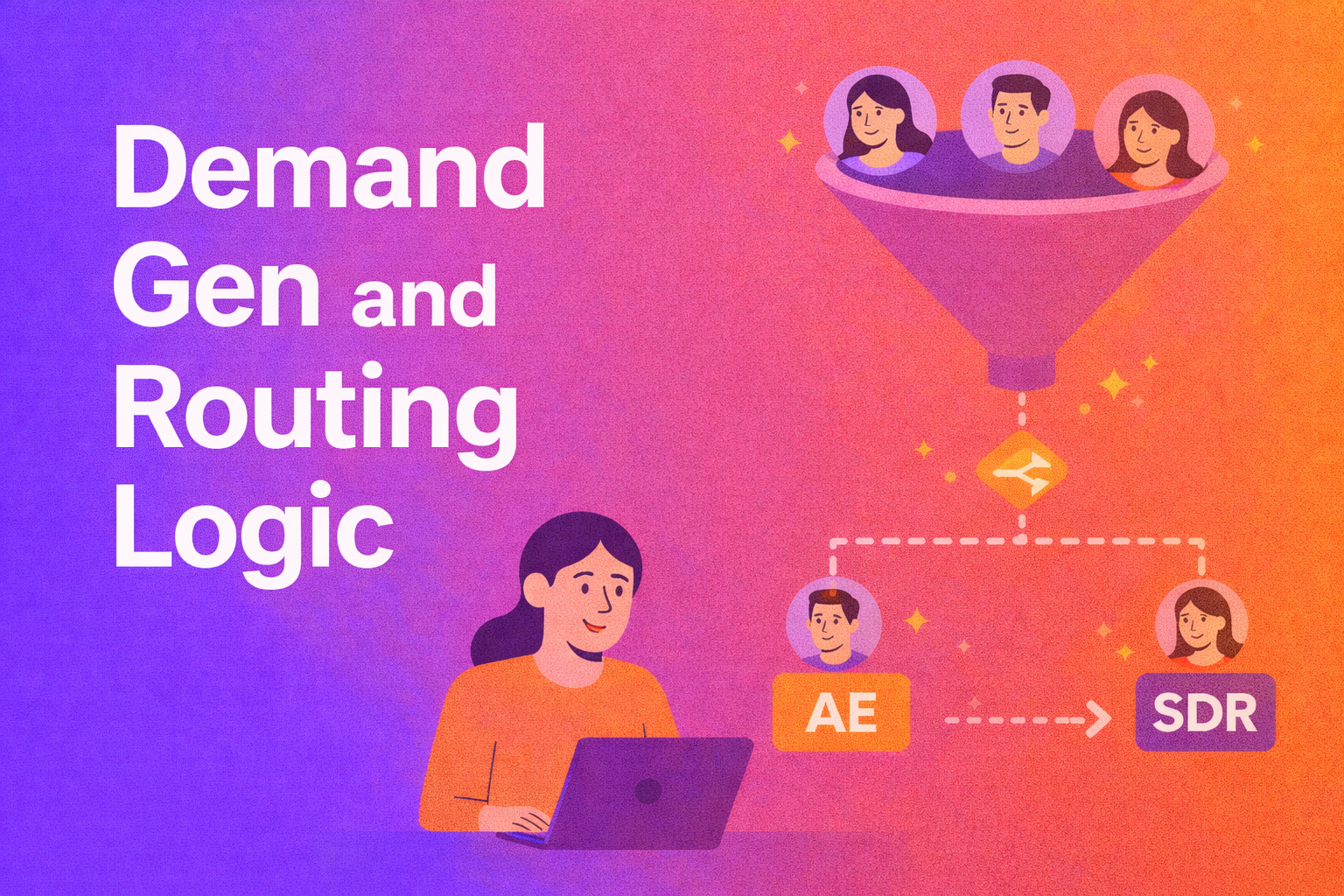
- Automated Lead Routing: Specific rules determine which Sales Development Rep or Account Executive receives the lead. This isn’t based on a generic queue but on dynamic data analysis.
- Adaptive Scheduling Options: Depending on the prospect’s data-such as industry, company size, or previous interactions-the system presents flexible time slots that match their likely availability.
These functionalities aren’t theoretical. They are actively used by teams who have embraced automation to secure a higher number of qualified meetings while reducing the chances of no-shows.
Operational Examples and Tactical Details
Imagine a scenario where an SDR is juggling multiple leads in a high-volume campaign. Each lead has very different requirements and industries. With an integrated system, as soon as a lead books a meeting, the relevant SDR receives an alert on Slack with real-time insights about the prospect’s company and specific pain points.
This level of detail not only speeds up the response time but ensures that the meeting is as productive as possible. The precise alignment of prospect data with an available calendar slot and rep assignment leads to enhanced conversion rates and accelerated pipeline velocity.
Automation’s Role in Eliminating Friction
Automation is at the core of modern routing tactics. It takes the guesswork out of the equation and removes operational delays that cost you business.
With automation, each step in the lead conversion process is executed flawlessly and instantly. Refined systems mean there is never an excuse for inaction.
How Automation Addresses Bottlenecks
Automation addresses core bottlenecks in your GTM workflow. It covers everything from data collection and CRM enrichment to instant scheduling and notifications.
Let’s break down the steps:
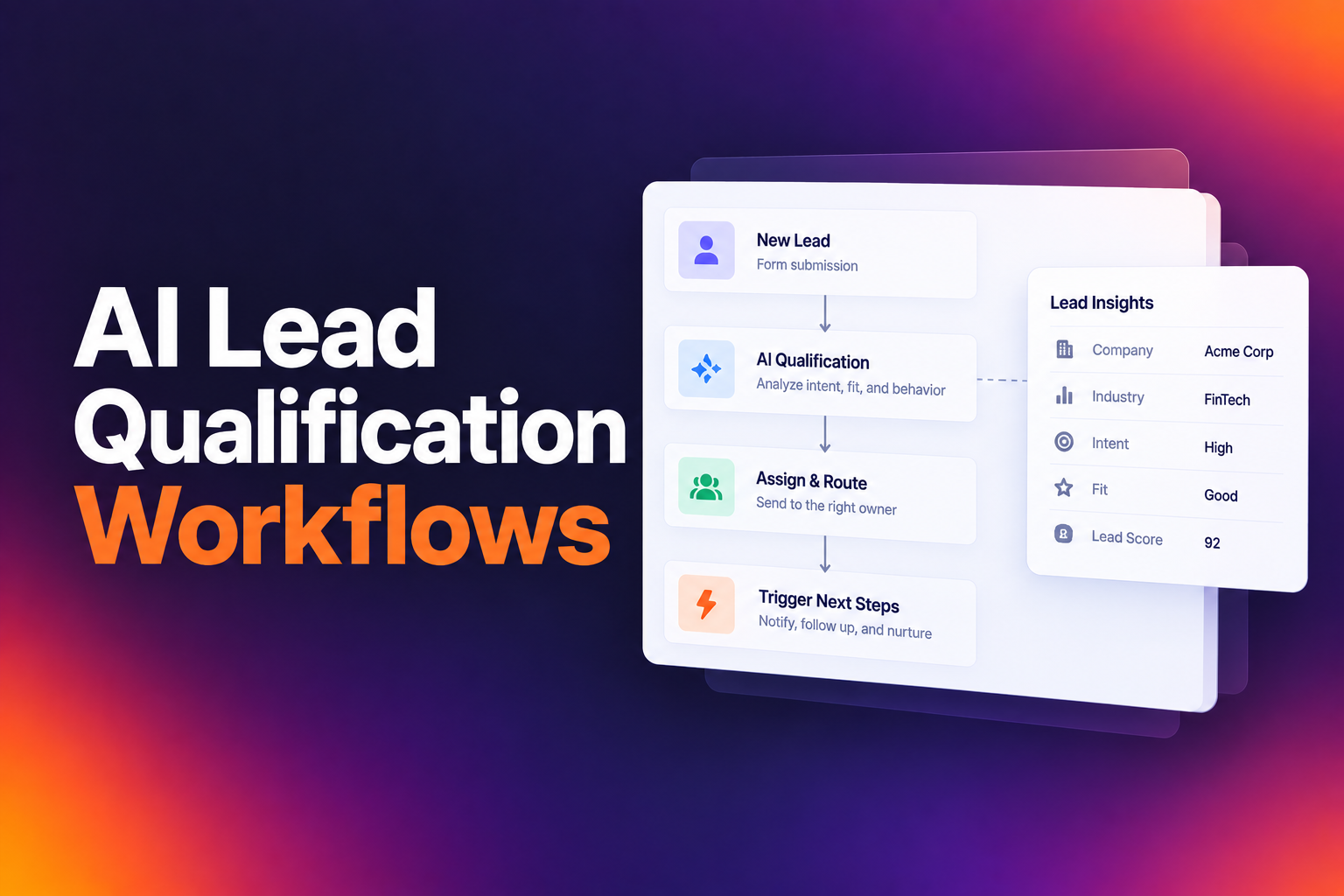
- Instant Data Capture: Immediately as the form is filled out, key data is logged. This data-driven approach sets the stage for automated processing.
- Automated Lead Assignment: Using pre-set rules, the system instantly assigns the lead to the right rep based on criteria such as vertical, account, or even predicted value.
- Immediate Calendar Integration: The assigned rep’s calendar is instantly surfaced, allowing the prospect to book without delay.
- Instant Notifications: Automated alerts via email or Slack ensure that the rep is aware of the booking and can prepare for the call or demo.
This comprehensive automation eliminates the friction that traditional workflows suffer from. Each operational step runs in parallel, so there are no drops in response times. The conversion benefits are clear when you remove the gap that has always existed in follow-up tasks.
Examples of Automation in Action
Consider a B2B software company. Before implementing automation, they regularly lost leads due to a lag in rep follow-up. After integrating an automated routing system similar to what RevenueHero offers, prospects immediately saw the correct rep’s calendar and booked a meeting in seconds.
This is not just theory. It’s a practical change that transforms a qualitative improvement in buyer experience into a quantitative boost in bookings. High-velocity teams notice that the reduction in no-shows and an immediate boost in qualified meetings directly correlate with improved conversion rates.
Integrating Intelligent Chatbots and Virtual Assistants
High-intelligence chatbots and virtual assistants have emerged as critical components in smoothing out the booking process. They not only handle routine queries but also qualify leads in real time.
The goal is to ensure that your buyers never feel like they are interacting with an impersonal system. Instead, they get a seamless and engaging experience right from the start.
Role of Chatbots in Demand Generation
Chatbots bring an immediate layer of interaction. When a prospect visits your landing page, a chatbot powered by AI can begin gathering additional data or offering assistance without delay.
This realtime engagement is pivotal in keeping the buyer’s attention. The chatbot can even pre-qualify common questions or concerns, enabling your team to focus on deeper strategic conversations during the demo.
Enhancing Routing with Virtual Assistants
Virtual assistants do more than answer questions. They integrate with your scheduling system to surface the right meeting options. In one practical scenario, a virtual assistant initiated a conversation, managed to chat the prospect through frequently asked questions, and then provided a link for instant scheduling-all within a single session.
This direct engagement not only improves conversion rates but also enriches the data feeding into your routing logic. The prospect’s interaction history and preferences are documented and act as powerful data points to further tailor subsequent communications.
Operational Impact of Intelligent Assistants
When chatbots or virtual assistants take part in the process, the efficiency of your funnel increases exponentially. These tools ensure no prospect ever feels stalled. Instead, they receive immediate responses and clear next steps.
By incorporating AI into the lead qualification and scheduling workflow, you eliminate the human bottleneck in early communication. This proactive approach is crucial, especially considering that a recent Brixon Group report highlights how sophisticated virtual assistants are reshaping initial lead interactions.
Bridging the Gap: A Step-by-Step Guide
To align your demand generation with intelligent routing, you need practical steps that drive immediate impact. Here’s a detailed guide that high-performing teams use to streamline their operations.
Follow these steps to leave no room for the dreaded follow-up gap:
Step 1: Implement Instant Lead Assignment
Shift from batch processing to real-time assignment. Instead of a rep picking up leads manually from a CRM queue, set up your system to assign leads instantly based on predefined criteria like industry, region, or company size.
This approach minimizes downtime and ensures prospects aren’t left waiting. When done correctly, your system routes the lead immediately upon form submission.
Step 2: Surface the Right Calendar Immediately
The next step is to integrate your calendar system directly into the booking process. Once a lead is assigned, they should see the availability of the assigned AE without clicking through multiple pages.
This integration is crucial for maintaining prospect momentum. Instead of a generic thank-you page, prospects view an interactive scheduling interface that allows them to secure a meeting on the spot.
Step 3: Use Automated Notifications to Empower Reps
Automation goes beyond routing. Reps need to know the moment a lead books a meeting, complete with relevant contextual data. Automated, real-time notifications via Slack or email allow reps to act immediately, reducing any chances of delay.
This operational detail is a game changer. No more chasing leads after the fact; reps are prepped and ready at the exact moment the showing interest turns into a booked meeting.
Step 4: Design a Flexible Fallback System
What if the primary rep isn’t available? A mature system incorporates fallback options. This could mean routing the lead to a backup pool or providing an asynchronous option such as a pre-recorded demo video.
In practice, this ensures that every lead is either connected with a live rep or engaged with meaningful content that keeps the conversation going until a live meeting can be scheduled.
Step 5: Analyze and Iterate Based on Granular Reporting
The final step is essential: measure everything. Granular reporting on buyer behavior, meeting outcomes, and conversion metrics is invaluable. Analyze how quickly leads are converting, and identify bottlenecks that remain in the system.
This data-driven approach lets you continuously fine-tune your routing process to achieve even faster booking speeds and higher conversion rates.
Why RevenueHero Stands Out in Connecting Demand Gen and Routing
At the heart of every high-performing GTM team is a system that eliminates friction between lead capture and meeting scheduling. RevenueHero embodies this philosophy. By integrating intelligent routing, instant scheduling, and data-driven insights, it never leaves money on the table.
RevenueHero’s approach emphasizes operational speed while maintaining a personalized buyer experience. This aligns with modern buyer expectations where every second counts.
Key Product Features That Drive Success
RevenueHero turns potential chaos into streamlined operations. Key functionalities include:
- Instant Scheduling: Prospects can book meetings immediately after submitting their forms, effectively reducing drop-offs.
- Smart Meeting Distribution: Leads are automatically routed based on criteria such as account, territory, or named rep.
- Campaign Router: Email CTAs transform into one-click scheduling interfaces, boosting engagement rates.
- Relays for Seamless Handoffs: Information flows smoothly between SDRs and AEs, ensuring consistent messaging and experience.
- Granular Reporting: Actionable insights into buyer behavior and conversion patterns allow teams to refine their approach continually.
This operational depth is not about working harder but about building a system that leaves no lead unattended. The impact is seen in faster demo setups, higher conversion rates, and ultimately, increased revenue.
Real-World Operational Scenarios
Imagine a scenario where every second after the form submission is accounted for. A prospect navigates to a landing page, fills out a request form, and is immediately met with a pre-populated calendar showing their dedicated AE’s availability. No delays. No generic “we’ll be in touch soon” messages.
Instead, the prospect books a meeting at their convenience. Simultaneously, the AE receives an instant alert along with detailed prospect information, preparing for a conversation that starts on a solid footing. This is the type of operational efficiency that turns interested leads into long-term customers.
Operational Maturity: What High-Velocity Teams Do Differently
High-velocity teams don’t just rely on faster response time-they build ecosystems that support speed by design. Every facet of the routing process is optimized for efficiency and relevance.
These teams ensure that automation is not merely a tool but a strategic enabler that cuts through traditional operational noise.
The Old Habits That Slow You Down
The pattern is familiar for many teams: prospect fills out a demo form, and then a series of manual tasks occur before any follow-up happens. High volume leads end up in a generic CRM pool, waiting for a rep to sift through them one by one.
This operational lag is a silent killer of conversion rates, letting buyer interest dissipate while your system struggles to catch up.
Operational Innovations That High-Velocity Teams Embrace
Modern teams adopt a mindset focused on eliminating every point of friction. They rely on:
- Real-Time Data Integration: Collection and analysis of data in real time informs routing decisions the moment it matters.
- Automation-First Mindset: Eliminating manual follow-up and inciting immediate actions through technology.
- Personalization at Scale: Crafting interactions that feel tailored even when delivered at high volume.
- Continuous Iteration: Using granular reporting to identify and close inefficiencies in the process.
When teams adopt these practices, the result is a system that feels agile, responsive, and always one step ahead of buyer intent. This is a stark contrast to slower, manual processes that repeatedly miss the critical 5-minute window post form submission.
Scaling Up With the Right Infrastructure
Scaling isn’t just about handling more leads-it’s about smartly automating processes so that personalized engagement continues even as volume increases. Mature GTM teams integrate pre-designed workflows that maintain consistency regardless of lead volume.
With an infrastructure built on automation-enhanced personalization, your team can handle peaks in demand without sacrificing response quality. In the race to secure demos, operational efficiency becomes your most potent competitive advantage.
Harnessing Granular Reporting to Refine Your Process
Every process improvement starts with understanding the data. Granular reporting offers real-time insights into buyer behavior, operational speed, and conversion patterns that are vital to refining your routing strategy.
Using detailed analytics, you can pinpoint where prospects drop off and what adjustments yield higher engagement.
Operational Benefits of Detailed Insights
Granular reporting allows you to see every step in the booking process. This transparency makes it easier to diagnose issues such as processing delays, misrouted leads, or repetitive manual intervention.
For instance, track the average time from form submission to calendar booking. If you notice the process is longer than a certain threshold, immediately explore why and implement corrective measures. This could mean additional integrations or fine-tuning the automated alerts.
How to Leverage Reporting in Day-to-Day Operations
Start by setting clear operational metrics: response time, booking rate, and no-show frequency. Use these metrics to assess the impact of any changes in your system. Mature teams meet regularly to review performance data and iterate on their processes.
With a data-driven approach, every adjustment is backed by evidence. There’s no guesswork-only measurable impact. For example, when a team at a mid-sized B2B firm reduced its follow-up lag by integrating real-time analytics with instant scheduling, they noted a significant improvement in conversion rates, a pattern echoed by industry leaders.
Tools and Techniques That Improve Reporting Accuracy
The precision of your reporting is only as good as the tools you use. Integrate a robust analytics dashboard that not only records key events but also identifies trends and anomalies. Use tag management and event tracking to capture every interaction from the initial form fill to the booked calendar invite.
These techniques ensure that insights aren’t based on outdated assumptions, but current, real-time data that drive today’s operational decisions.
Preparing Your Team for a New Age of Inbound Conversion
The transition to an automated, data-driven routing system requires a shift in mindset. Moving away from the old manual follow-up method means your team must embrace technology and data as core components of the booking process.
This shift starts at the leadership level. RevOps and GTM leaders must champion a culture that prizes speed, precision, and personalization.
Training and Enabling Your Team
Invest in training your team to work comfortably with automated systems that are designed to work alongside you, not replace the human element. Ensure your sales reps understand how to interpret the data provided by granular reporting and how to act on the instant alerts driven by automated routing.
Setting clear expectations about operational speed and continuous innovation is key. Regular training sessions, combined with detailed operational playbooks, can help teams transition to this new method seamlessly.
Shifting from Manual to Automated Workflows
It’s not enough to simply implement automation; the entire culture has to shift. Teams must move from relying on manual follow-up to trusting the immediate pipeline that automation provides. This means changing internal KPIs to measure the time-to-book and the quality of the automated interactions.
When every team member understands that the goal is to eliminate the follow-up gap, operations become more fluid and responsive. The result is a dynamic sales process that aligns with the buyer’s immediate intent.
Creating a Feedback Loop for Continuous Improvement
Mature teams set up regular review sessions where operational data is discussed in depth. These sessions foster a continuous feedback loop. Every new insight is an opportunity to fine-tune the system further.
For example, if analytics reveal that certain leads are still slipping through, a deep dive into the routing logic might reveal issues in rule settings or in the way notifications are triggered. Adjusting these elements creates measurable improvements in conversion rates.
Bringing It All Together: The RevenueHero Advantage
This is more than a technical upgrade; it’s a complete rethinking of how you connect demand generation with routing logic. RevenueHero delivers a system where inbound conversion, instant scheduling, and precise lead routing converge seamlessly.
The result is simple: fewer lost opportunities, fewer administrative tasks for reps, and a far higher conversion rate. The traditional follow-up gap becomes a relic of the past.
Key Takeaways for GTM Leaders
Mature GTM leaders embrace these core practices:
- Immediate routing and scheduling eliminate the critical 5-minute response gap.
- Intelligent automation personalizes every interaction, building trust from the outset.
- Real-time data and granular reporting provide actionable insights that drive continuous improvement.
- Operational efficiency is no longer a luxury; it’s the foundation of modern inbound conversion.
Such practices aren’t optional anymore-they are fundamental. The advanced features offered by RevenueHero provide a blueprint for success by addressing each aspect of the demo booking challenge head-on.
Success Stories and Operational Wins
Consider a recent case study where a tech company integrated real-time routing and witnessed a dramatic uptick in demo conversions. The process was re-engineered to offer lead routing based on detailed data signals, enabling immediate scheduling that matched buyer intent perfectly.
This operational shift not only reduced no-shows but also improved overall meeting quality. The outcome was evident: faster speed to pipeline and a dramatic improvement in conversion numbers.
Why Speed to Lead is Fundamental
Timeliness is everything. Every minute a lead is unattended is a potential lost opportunity. RevenueHero’s approach anchors on the fundamental premise that inbound inquiries must be met with immediate, intelligent responses.
This operational detail is key. Prospects expect a system that responds as quickly as they engage. With integrated instant scheduling and dynamic routing, high-performing teams turn each inquiry into a booked meeting without delay.
Looking Forward: The Future of Inbound Conversion
The future of demand generation is clearly intertwined with advanced routing logic, AI-driven insights, and fully automated systems. As the digital landscape continues to evolve, B2B buyers expect nothing less than a frictionless experience.
Industry leaders predict that by the end of 2025, a significant portion of B2B companies will lean heavily on AI-powered tools to drive their campaigns. This is more than a statistic; it reflects a shift towards systems that never drop the ball.
Innovations on the Horizon
Emerging technologies promise even more refined routing processes. Expect increased use of virtual assistants to pre-qualify leads, further reducing response times. Enhanced integration of multi-channel data will mean every touchpoint is personalized and timely.
These innovations are already in motion. The path forward is paved by teams that adopt a proactive stance on technology. As new data and tools become available, your operational processes should be built to integrate change quickly and seamlessly.
The Role of Continuous Improvement
Technology evolves, and so must your process. Continuous improvement based on granular reporting is not a one-off project but an ongoing effort. Mature teams set regular benchmarks, review data, and adjust workflows to make each iteration smoother than the last.
This is the future of inbound conversion-a cycle where operational excellence drives innovation and innovation, in turn, fuels operational growth.
Building a Future-Proof GTM Machine
By connecting demand generation with intelligent routing, you build a GTM machine that’s future-proof. This means not only capturing leads faster but optimizing every element of the sales cycle for peak efficiency.
RevenueHero’s tools and methodologies are designed with this future in mind. They ensure that as buyer behavior evolves and as technology advances, your processes are already a step ahead.
Final Thoughts
A robust integration of demand generation with smart routing logic isn’t just a process improvement-it’s a strategic imperative. By eliminating the follow-up gap, automating critical processes, and personalizing every step, you transform inbound conversion from a reactive process into a proactive, efficient system.
GTM leaders who adopt these operationally mature strategies remain competitive by ensuring every prospect interaction is timely, relevant, and friction-free.
Operational Impact Recap
Let’s recap the critical operational steps high-performing teams take:
- Instant assignment of leads to eliminate lag time
- Live calendar integration that allows immediate scheduling
- Adaptive and intelligent chatbot functions to pre-qualify and guide prospects
- Automated notifications that empower reps with real-time context
- Granular reporting that feeds continuous improvement initiatives
Each step builds on the last to ensure that your processes are not only efficient but also aligned with the expectations of modern B2B buyers. The result is a seamless buyer experience and a significant boost in conversion rates-ready to close deals faster than ever before.
Your Next Steps
Start by evaluating your current booking process. Identify gaps where the follow-up delay occurs. Then, consider how an instant scheduling and automated routing system can plug these gaps effectively.
Invest in data-driven tools and train your teams to make the most out of instantaneous lead assignment. Change the way you think about inbound conversion-transform it into an experience that feels personal even at scale.
Embrace the Future of Inbound Conversion
High-velocity teams don’t wait for change-they create it. As the landscape of routing and demand generation evolves, your operational strategy must evolve too. By connecting every step of the buyer journey through intelligent data, automated systems, and personalized touchpoints, you redefine what it means to capture and convert leads.
The evolution is already here. The shift is clear: speed, precision, and operational clarity are non-negotiable in the modern GTM approach. If you haven’t yet bridged the gap between demand gen and routing logic, now is the time to get ahead.
RevenueHero provides the operational advantage you need to secure every booking, accelerate your conversion rates, and ultimately, drive revenue at a pace previously thought impossible. Embrace these changes and watch your demo conversion and overall pipeline efficiency soar.
The future is clear-a unified, automated approach is the only way to ensure that your inbound conversion strategies keep pace with buyer expectations. It's time to cut the follow-up gap and engage at the speed your prospects demand.
Let RevenueHero help your team turn high-intent users into booked meeting without slowing down your funnel.