Most B2B teams treat inbound lead generation as a linear process: form fill, qualification queue, manual routing, eventual follow-up. The problem is that intent decays rapidly. Data from RevenueHero customers shows the top 10% of companies book 78% of their qualified leads into meetings, while the median sits at 62%. That gap doesn't come from better traffic or higher ad spend. It comes from what happens in the 30 seconds after someone submits a form. The Inbound Orchestration Blueprint represents a fundamental shift in how revenue teams think about converting demand into pipeline. Instead of treating each touchpoint as an isolated event, orchestration connects every signal, every channel, and every handoff into a unified system that moves qualified buyers toward conversations without friction or delay. Companies still running manual review queues and next-day follow-ups aren't just slower. They're systematically losing deals to competitors who've built infrastructure for instant response. This blueprint outlines how to build that infrastructure from the ground up.
Defining Inbound Orchestration in the Modern Funnel
The traditional funnel assumes buyers move predictably from awareness to consideration to decision. Reality looks different. Prospects research anonymously, engage across multiple channels simultaneously, and expect immediate responses when they signal intent. Orchestration acknowledges this complexity and builds systems that respond in real time.
Moving Beyond Linear Lead Generation
Linear lead generation treats every form fill the same way. Someone requests a demo, lands in a queue, waits for an SDR to review their information, and eventually receives an email asking about availability. By then, the prospect has moved on or engaged with a competitor who responded faster.
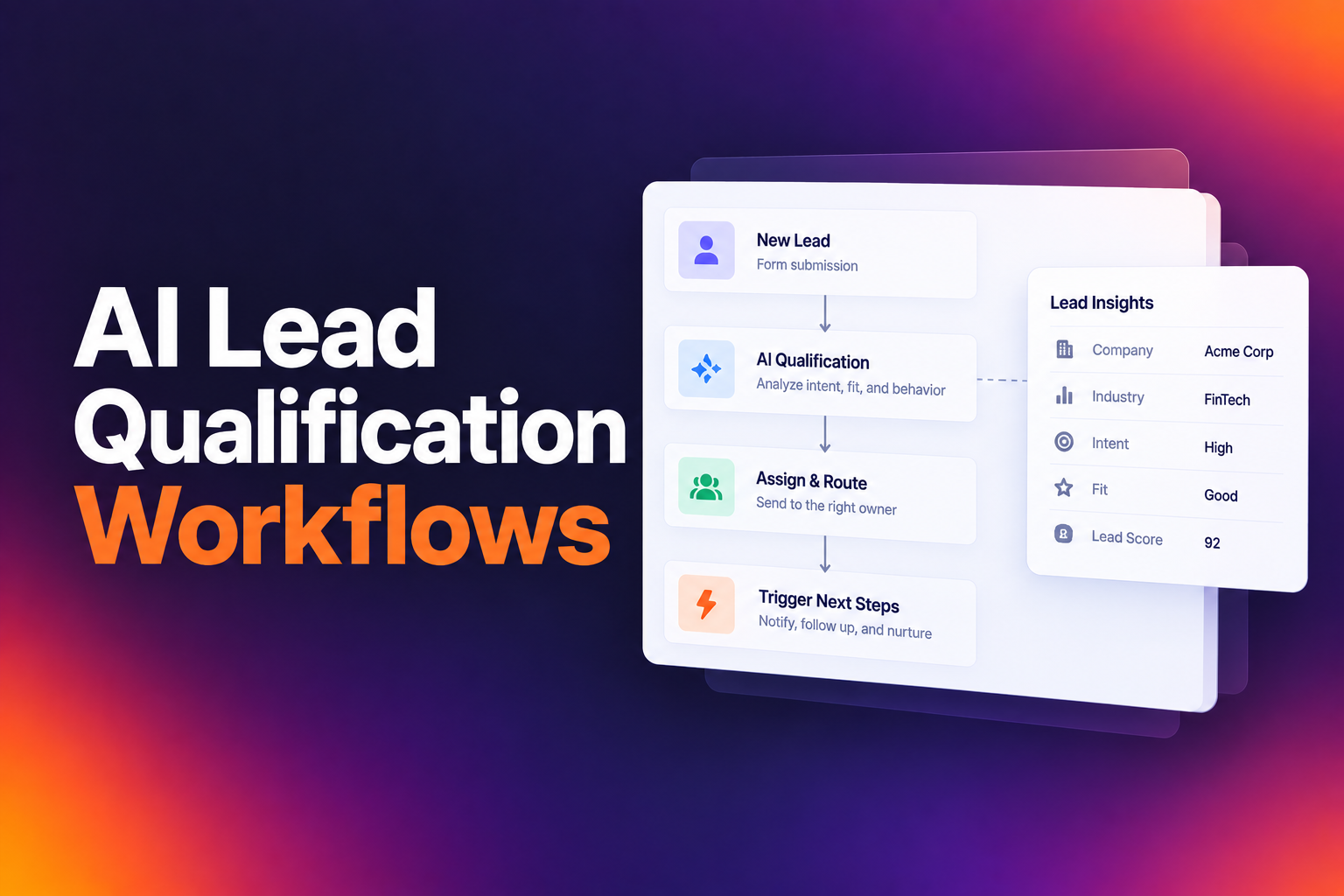
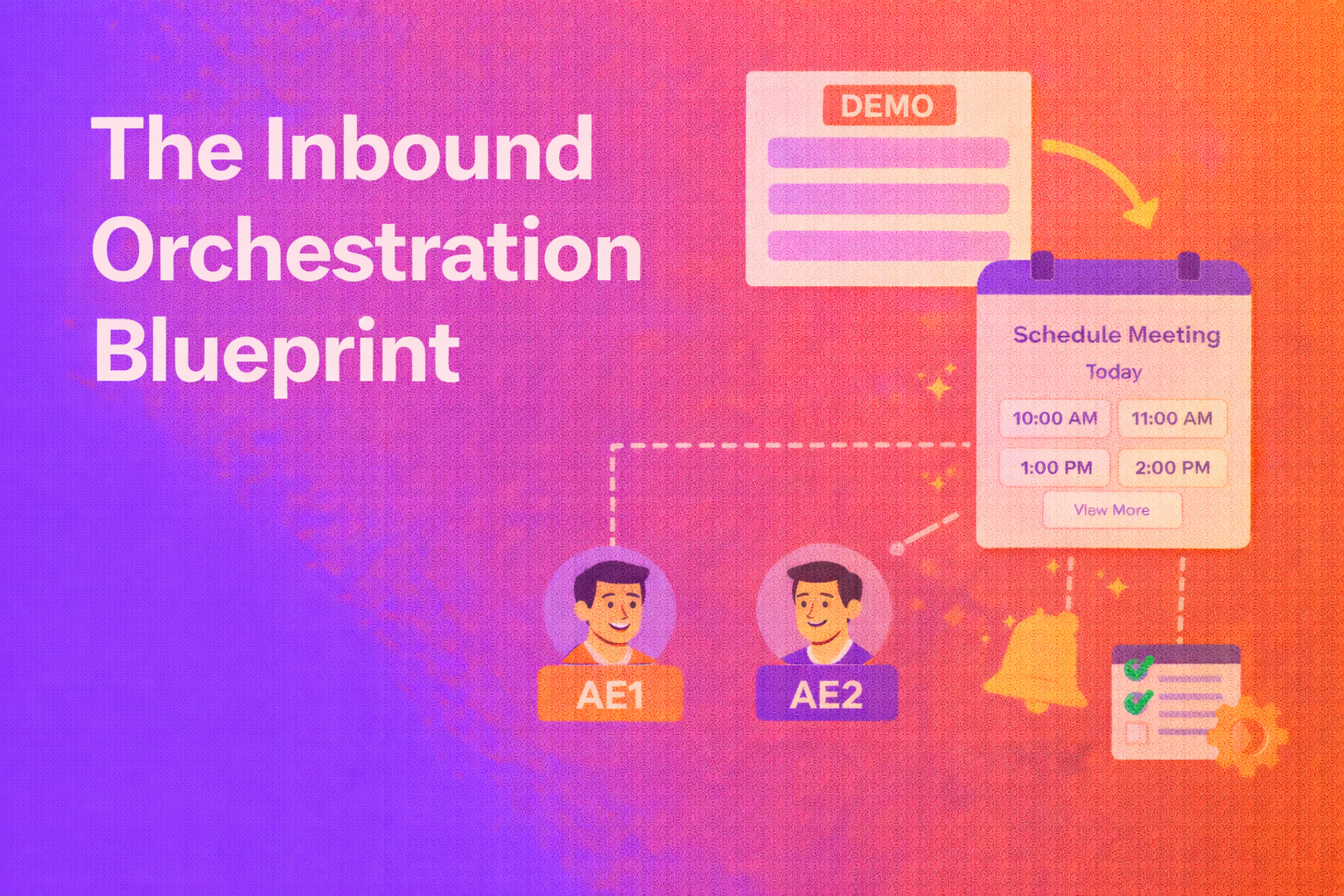
Orchestration replaces this sequence with parallel processing. The moment a lead submits information, multiple actions fire simultaneously: enrichment data populates, qualification rules evaluate, routing logic executes, and a calendar appears. There's no queue, no manual review, no delay. The companies converting at 78% aren't doing anything complicated. They've simply eliminated the gaps between steps that linear processes create.
The Role of Real-Time Personalization
Personalization in an orchestrated system goes beyond inserting a first name into an email. It means matching the buyer's context with the right response at the right moment. A VP of Sales from a 500-person company signals different intent than a marketing manager from a startup. Each should see different calendars, different reps, and different follow-up sequences.
Real-time personalization requires data that flows instantly. Form responses, enrichment signals, and CRM history must all inform the experience within milliseconds of submission. When personalization happens after the fact, you've already lost the moment of peak intent.
The Core Architecture: Data and Signal Integration
Orchestration depends on unified data. Without a single source of truth connecting form submissions, enrichment providers, CRM records, and engagement history, you're making routing decisions with incomplete information.
Unifying Intent Signals and First-Party Data
Intent signals come from multiple sources: website behavior, form responses, email engagement, and third-party intent data. First-party data includes everything your CRM knows about existing accounts and contacts. The challenge is connecting these sources fast enough to inform real-time decisions.
Most teams store this data across disconnected systems. Marketing automation holds engagement history, the CRM holds account relationships, and enrichment tools hold firmographic data. Orchestration requires a layer that queries all three simultaneously and returns a unified profile within seconds. This isn't a nice-to-have. It's the foundation that makes instant qualification and intelligent routing possible.
Building a Dynamic Lead Scoring Framework
Static lead scores fail because they can't adapt to context. A lead who scores 85 points based on firmographic fit might still be a poor opportunity if they're already in an active sales cycle with a competitor. Dynamic scoring incorporates real-time signals alongside historical data.
Effective scoring frameworks weight recent behavior heavily. A form submission today matters more than a whitepaper download six months ago. They also incorporate negative signals: bounced emails, unsubscribes, and disqualification criteria. The goal isn't to rank every lead on a single scale. It's to make instant routing decisions with confidence.
Designing Cross-Channel Journeys
Buyers don't stay in one channel. They might discover you through paid search, research you on G2, download a report via email, and finally request a demo through your website. Each touchpoint should feel connected, not like starting over.
Automated Routing and Instant Qualification
Routing determines who handles each lead and how quickly they engage. Manual routing creates bottlenecks. Automated routing based on clear rules eliminates them.
The best routing logic considers multiple factors: territory, account ownership, product interest, company size, and rep availability. RevenueHero customers use form responses, enrichment data, and CRM history to route leads to the right rep instantly. No manual assignment means no delays. When someone qualifies, they see a calendar immediately, not a "thanks, we'll be in touch" message. That difference drives the gap between 35% and 78% conversion rates.
Syncing Content Strategy with the Buyer's Lifecycle
Content strategy often operates independently from sales processes. Marketing creates assets, distributes them across channels, and measures engagement. But that engagement data rarely informs how sales conversations happen.
Orchestrated content strategy connects what a prospect consumed with how reps approach the conversation. If someone downloaded a pricing guide and then booked a demo, the rep should know. If they attended a webinar on a specific use case, the demo should reflect that interest. This requires content engagement data flowing into the same system that powers routing and scheduling.
Aligning Sales and Marketing Through Automation
The sales-marketing handoff is where most funnels leak. Marketing qualifies a lead, passes it to sales, and then loses visibility into what happens next. Sales receives leads without context and wastes time on discovery that marketing already completed.
The Service Level Agreement (SLA) for Orchestration
Traditional SLAs define how quickly sales must follow up on marketing-qualified leads. Orchestration makes these SLAs largely irrelevant. When qualification and scheduling happen in the same moment, there's no follow-up window to measure.
Instead, orchestrated SLAs focus on different metrics: calendar availability coverage, routing accuracy, and meeting show rates. If a qualified lead can't find an available time slot, that's an SLA failure. If leads consistently route to the wrong rep, that's a process breakdown worth measuring. These SLAs reflect what actually matters for conversion.
Feedback Loops and Continuous Optimization
Orchestration isn't a set-it-and-forget-it system. Qualification criteria need regular review. Routing rules require adjustment as territories change. Scoring models must evolve as you learn what actually predicts closed deals.
Effective feedback loops connect downstream outcomes to upstream decisions. If leads from a particular source consistently no-show, your qualification criteria for that source need tightening. If a specific rep converts at higher rates, understanding why can inform routing for similar leads. Quarterly reviews of disqualification rates, meeting completion rates, and pipeline conversion keep the system calibrated.
Measuring the Impact of Orchestrated Inbound
Measurement proves whether orchestration delivers results. The right metrics focus on velocity and conversion efficiency, not activity volume.
Key Performance Indicators for Velocity and Conversion
Speed to lead remains the most important velocity metric. How quickly does a qualified prospect see a calendar? How much time passes between form submission and confirmed meeting? Top performers compress this to seconds, not hours or days.
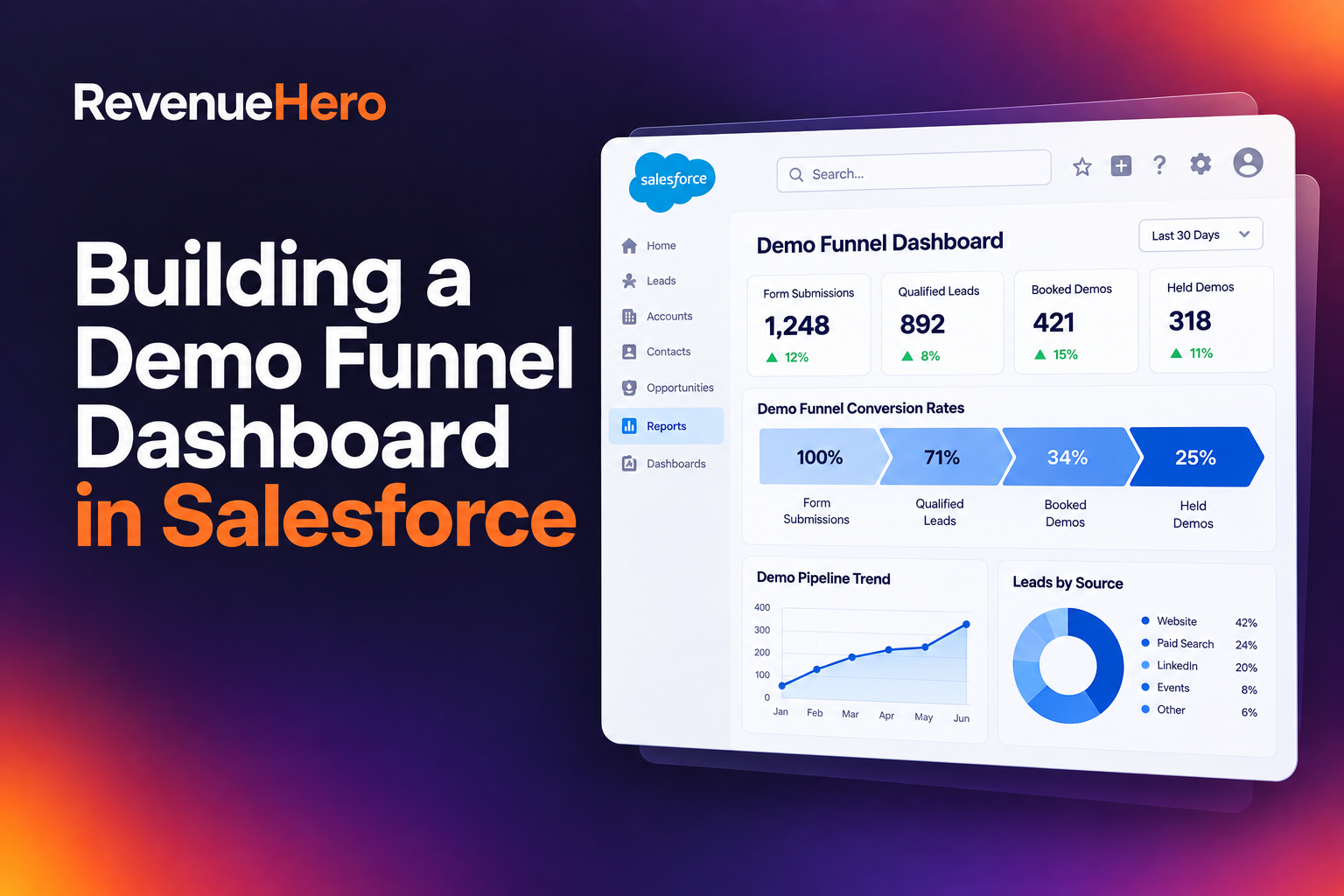
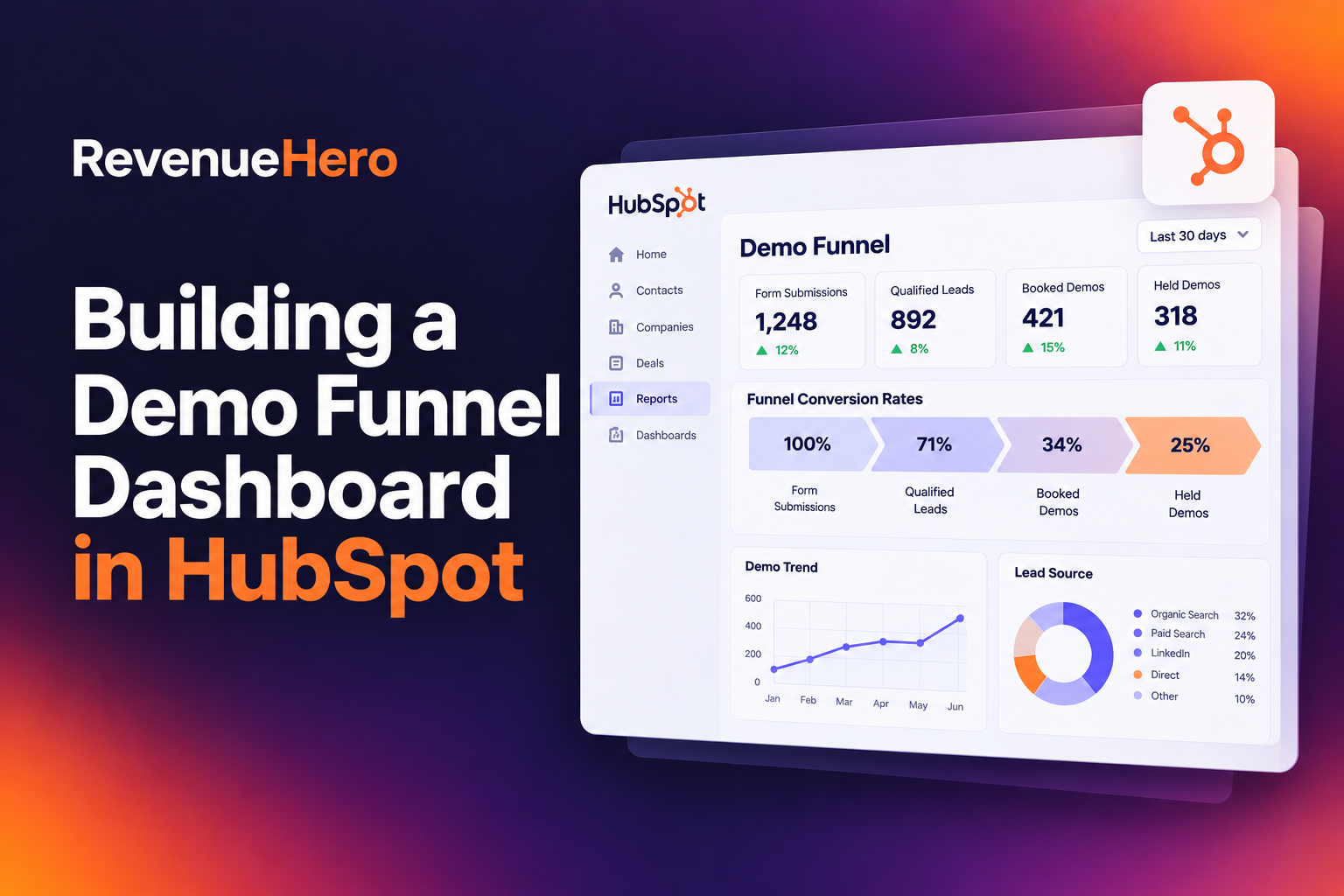
Conversion metrics should track each stage: form submission to qualified, qualified to booked, booked to attended, attended to opportunity. The RevenueHero benchmark data shows top performers hitting 78% qualified-to-booked rates. If you're at 40% and assume that's normal, you're leaving significant pipeline on the table. Each percentage point improvement on the same traffic represents real revenue.
Attribution Models for Multi-Touch Orchestration
Single-touch attribution breaks down when buyers engage across multiple channels before converting. Multi-touch models distribute credit across the journey, but they require connected data to work properly.
Orchestration enables better attribution because it captures the full sequence of interactions in a unified system. You can see which content influenced which meetings, which channels drove which qualified leads, and which routing decisions led to which outcomes. This visibility transforms attribution from a reporting exercise into a decision-making tool.
Building Your Orchestration Infrastructure
The gap between average and exceptional inbound conversion isn't about having better leads. It's about eliminating the friction between intent and conversation. Companies booking 78% of qualified leads made a specific choice: they stopped treating scheduling as an afterthought and started treating it as a conversion event.
Start by auditing your current process. Map every step between form submission and confirmed meeting. Identify where delays occur, where manual intervention creates bottlenecks, and where data doesn't flow between systems. Then systematically eliminate each gap.
The inbound orchestration blueprint isn't a single tool or tactic. It's an operating philosophy that prioritizes speed, personalization, and continuous improvement. Teams that embrace it convert more of the demand they've already generated. Those that don't will keep wondering why competitors close deals faster.
Let RevenueHero help your team turn high-intent users into booked meeting without slowing down your funnel.