A visitor lands on your demo page. They've read your case studies, compared you to competitors, and decided you're worth a conversation. They fill out the form, hit submit, and then... nothing happens. A confirmation message promises someone will reach out soon. By the time your SDR reviews the lead 24 hours later, that visitor has already booked a call with your competitor.
This scenario plays out thousands of times daily across B2B companies, and it represents one of the most expensive problems in modern go-to-market operations. The 30 seconds after a form submission decide whether a lead converts or disappears into the void of missed opportunities. According to recent data from RevenueHero's 2025 Inbound Conversion Report, the gap between top performers and everyone else isn't about lead quality or product-market fit. It's about what happens in that tiny window between intent and action. Companies in the top 10% book 78% or more of their qualified leads, while the median sits at just 62%. That 16-point difference translates directly into pipeline and revenue. The companies winning this game have made a deliberate choice: they treat the moment after form submission as a conversion event, not an administrative task.
The Psychology of the 30-Second Window
Understanding Micro-Moments and Consumer Intent
When someone fills out a demo request form, they're at peak intent. They've done their research, convinced themselves your solution might work, and taken action. That psychological state doesn't last. Every minute that passes introduces doubt, distraction, and competing priorities. The visitor who was ready to commit at 2:15 PM might be deep in a different project by 2:30 PM.
This isn't speculation. Intent decay is measurable and predictable. Studies consistently show that lead conversion rates drop precipitously after the first five minutes of initial contact. The brain moves on. New emails arrive. Meetings start. The urgency that drove someone to fill out your form fades into the background noise of their workday.
The Cost of Friction During Initial Contact
Friction compounds intent decay. When a visitor submits a form and sees "Thanks, we'll be in touch," they've hit a wall. That wall creates uncertainty: When will someone call? Will it be the right person? Do I need to explain everything again? Each unanswered question erodes commitment.
The old benchmark of 35% qualified-to-booked came from manual review queues and delayed follow-up. Leads sat in queues while SDRs triaged. Emails went back and forth trying to find a meeting time. Days passed. The companies now hitting 60%, 70%, even 80% or higher have eliminated these friction points entirely.
Speed to Lead: Why Response Time is the Ultimate Differentiator
The Correlation Between Rapid Response and Closing Rates
The data is unambiguous. Companies that respond to leads within five minutes are 21 times more likely to qualify that lead than those who wait 30 minutes. The top performers in the 2025 Inbound Conversion Report share a common trait: they've compressed the gap between "qualified" and "booked" to seconds, not hours or days.
This isn't about being pushy or aggressive. It's about meeting prospects where they are, when they're ready. A calendar appearing immediately after form submission respects the visitor's time and intent. A 48-hour lag while someone manually reviews the lead disrespects both.
Automating the First Touch Without Losing Personalization
The objection to instant scheduling is usually about personalization. "We need to review leads before routing them." "Our reps need context before the call." These concerns are valid but solvable. Modern qualification happens in real-time using form responses, enrichment data, and CRM history. No manual review queue required.
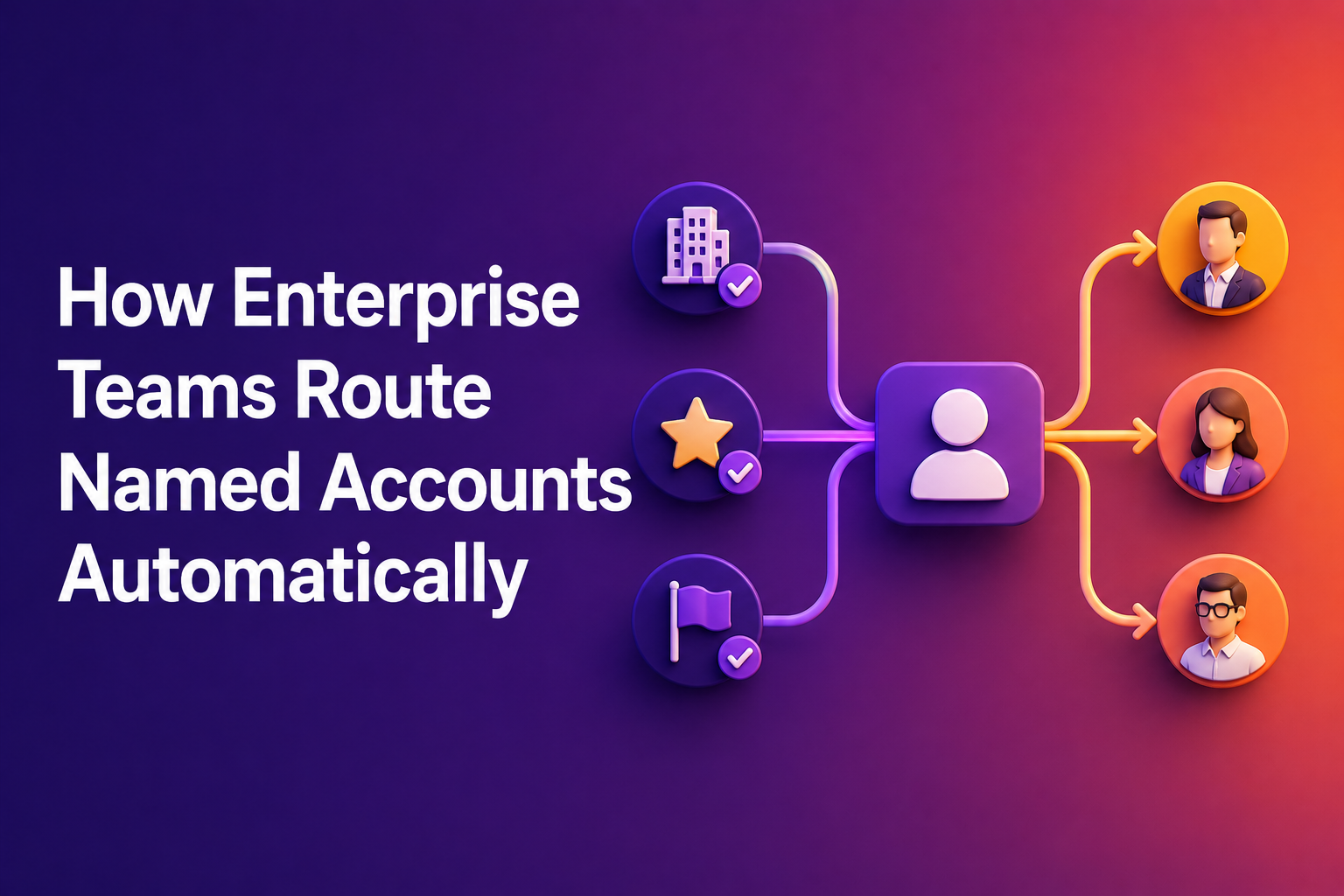
RevenueHero's approach demonstrates how this works in practice: leads are qualified instantly, routed based on custom logic like territory or product interest, and presented with a calendar while they're still engaged. The rep gets context. The prospect gets speed. Nobody waits in a queue.
Optimizing the Landing Page Experience for Instant Clarity
Passing the 'Blink Test' with Strong Value Propositions
Your landing page has roughly three seconds to communicate relevance. Visitors make snap judgments about whether they're in the right place, whether you understand their problem, and whether continuing is worth their time. Failing this test means they bounce before ever reaching your form.
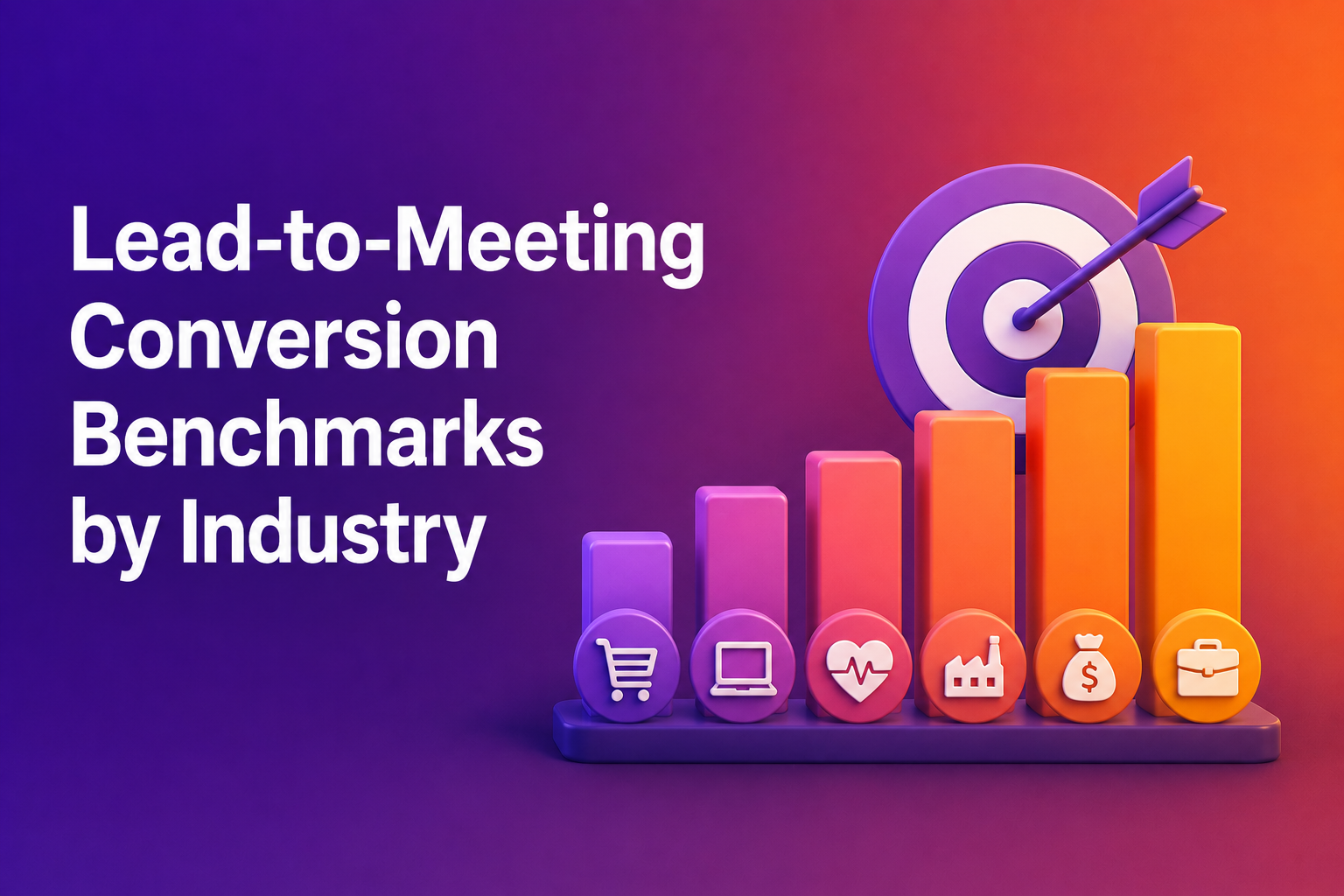
Vertical positioning dramatically improves these snap judgments. The 2025 data shows Construction Tech converting at 69.1%, Ecommerce at 68.8%, and Travel Tech at 68.3%, while generic Sales Tech converts at 62.8%. The pattern holds: specificity signals fit, which builds confidence, which drives conversion. A "Marketing software for e-commerce" page will outperform a generic "Marketing software" page, even when the underlying product is identical.
Mobile Responsiveness and Load Speed Essentials
Half of your demo requests come from mobile devices. If your form is difficult to complete on a phone, you're losing qualified leads to thumb fatigue. Load speed matters equally. Every additional second of page load time reduces conversions measurably.
Test your demo page on your phone right now. Fill out the form yourself. Time how long it takes. If you're frustrated, your prospects are too.
Building Immediate Trust Through Social Proof and Design
Visual Cues that Signal Professionalism and Security
Trust forms instantly through visual assessment. Logos of recognizable customers, security badges, and professional design create unconscious confidence. Their absence creates unconscious doubt. The visitor asking themselves "Is this company legitimate?" is a visitor who won't complete your form.
Industry-specific social proof works better than generic testimonials. A construction software buyer wants to see other construction companies as customers. A healthcare buyer wants HIPAA compliance signals. Match your proof to your audience.
Removing Barriers: Streamlining the Conversion Path
Simplifying Lead Forms to Minimize Cognitive Load
The debate about form length misses the point. A 13-field form can work brilliantly when each field serves a clear purpose and the audience expects that level of detail. A 2-field form works when your ICP is broad and any additional friction would cost more than the data is worth. Top performers convert at 77% with 2 fields and at 76% with 13 fields.
The question to ask about your form isn't "how many fields?" but "what does each field enable?" If a field doesn't change who gets the lead or how the rep opens the call, it's costing you conversions without delivering value. Company size, region, and use case help routing and personalization. "How did you hear about us?" rarely does.
Using Clear Calls to Action to Guide the Next Step
Among top performers, 29% use "Book a Demo," 21% use "Get a Demo," and 12% use "Schedule a Demo." Only 12% use "Request a Demo." The distinction matters. "Request" implies asking permission and waiting for approval. "Book" implies commitment and immediate action.
Search your site for every instance of "Request," "Submit," "Contact Sales," or "Get in Touch." Replace them with commitment language: "Book Your Demo," "Schedule a Call," "Pick a Time." The visitor mentally crosses the threshold from "considering" to "doing" while they're still on your page. This is a five-minute fix with measurable impact.
Measuring Success and Iterating for Long-Term Growth
The companies that sustain high conversion rates don't set and forget their processes. They measure obsessively and iterate constantly. If your qualified-to-booked rate is below 58%, you're in the bottom quartile. At 76% or higher, you're outperforming most peers.
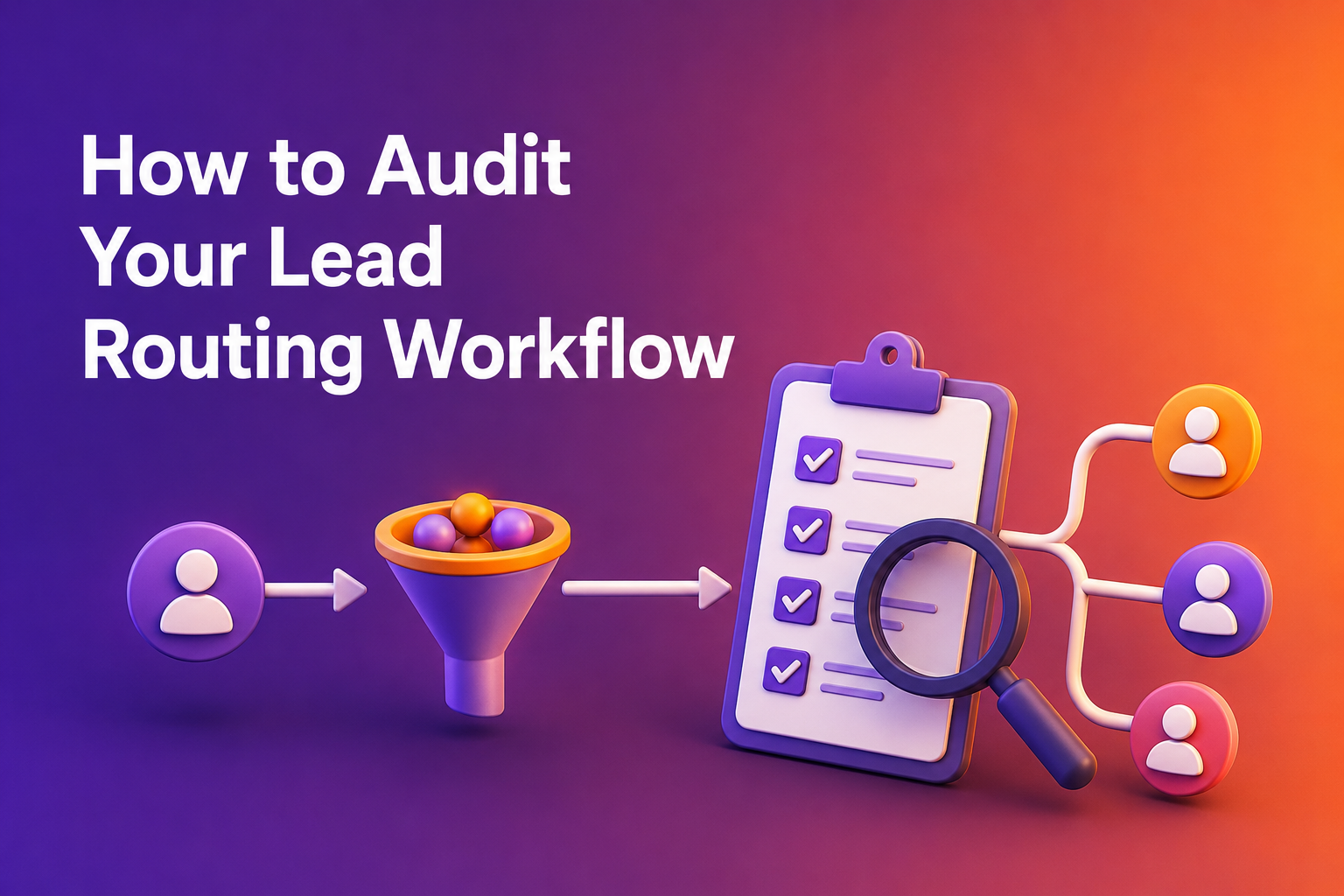
Start by establishing your baseline. What percentage of qualified leads actually book meetings? Track this weekly, not quarterly. Then identify your biggest bottleneck. Is it form abandonment? Time to first response? Calendar booking completion? Each problem has different solutions.
Quarterly reviews should examine your disqualification rate. If your DQ rate is under 20% and your meeting rate is struggling, you might be letting through leads that waste rep time. Consider tightening criteria on company size, industry, or use case fit. The goal isn't maximum volume; it's maximum qualified meetings.
The gap between 35% and 78% isn't about having better leads or a better product. It's about what happens in those critical seconds after someone clicks your CTA. Do they see a calendar, or do they see a "thanks, we'll be in touch" message? The companies in the top 10% made a choice: they stopped treating inbound scheduling as an afterthought and started treating it as a conversion event.
You already have the traffic. You already have people raising their hands. The only question is how many of them actually end up talking to your team. If you're at 40% today and you get to 62%, that's 22 more meetings for every 100 qualified leads. Get to 78%, and it's nearly double your current output from the same traffic. The 30 seconds that decide whether a lead converts aren't complicated to fix. They just require treating that moment with the urgency it deserves.
Let RevenueHero help your team turn high-intent users into booked meeting without slowing down your funnel.