A marketing team generates a promising lead. The prospect fills out a demo request form, clearly interested. Then silence. The lead sits in a queue for 48 hours while intent decays. By the time a sales rep reaches out, the prospect has already spoken with a competitor or lost interest entirely. This scenario plays out thousands of times daily across B2B organizations, and it represents one of the most expensive failures in the revenue funnel.
The handoff between marketing and sales determines whether demand generation efforts translate into actual pipeline. Data from over one million inbound form fills shows that top-performing companies book 78% of their qualified leads into meetings, while the median sits at just 62%. That 16-point gap isn't about lead quality or better products. It's about what happens in the 30 seconds after someone clicks "Book a Demo." When the inbound handoff breaks down, you lose pipeline you've already paid to generate. Fixing this broken handoff between marketing and sales requires addressing symptoms, aligning on definitions, streamlining technical processes, and building communication habits that keep both teams focused on revenue.
Identifying Symptoms of a Broken Inbound Handoff
Before you can repair the handoff, you need to recognize where it's failing. The symptoms often hide in plain sight, masked by finger-pointing between departments or accepted as "just how things work."
Low Lead-to-Opportunity Conversion Rates
When qualified leads consistently fail to convert into opportunities, the handoff deserves scrutiny. Marketing may be passing leads that don't match what sales considers qualified. Sales may be letting good leads go cold through slow follow-up. The conversion rate between MQL and opportunity tells you whether the two teams share the same definition of a valuable lead. If marketing celebrates hitting lead targets while sales complains about lead quality, you have a handoff problem, not a lead generation problem.
Slow Speed-to-Lead Response Times
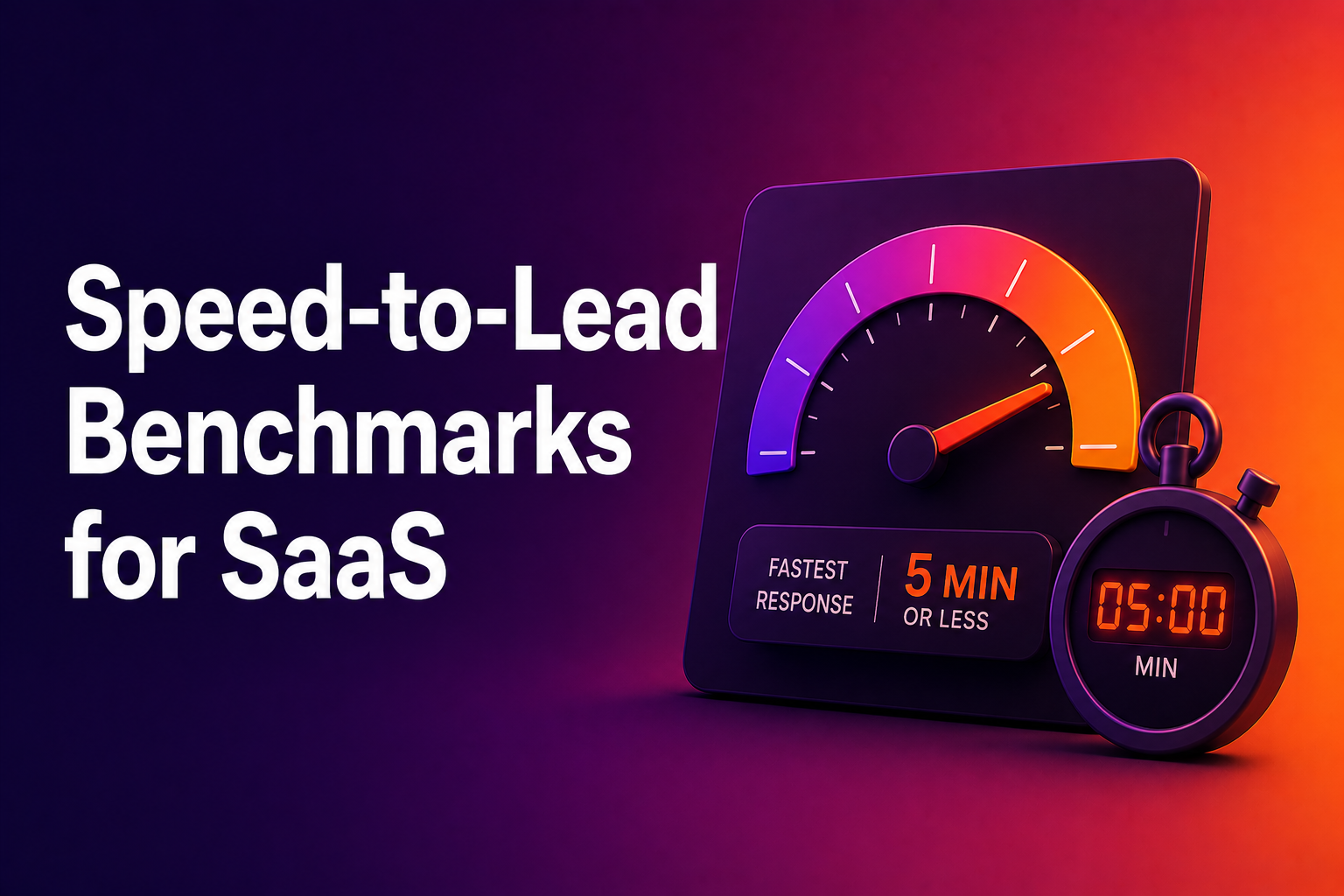
The gap between form submission and first sales contact directly predicts conversion success. Companies using manual review queues and delayed follow-up historically converted around 35% of qualified leads. Those treating inbound scheduling as a conversion event and putting a calendar in front of qualified leads immediately hit 60%, 70%, even 80% or higher. If your average response time exceeds a few hours, you're watching intent decay in real time. Every hour of delay represents prospects researching alternatives or simply moving on.
Conflicting Data and Disparate Reporting
Marketing reports 500 MQLs delivered last month. Sales says they only received 300 worth pursuing. This disconnect signals a broken handoff where data doesn't flow cleanly between systems or where definitions don't align. When teams pull reports from different sources and arrive at different conclusions, accountability becomes impossible. Nobody knows whether the problem lies in lead volume, lead quality, or lead handling.
Defining Shared Lead Qualifications and SLA Standards
Fixing the handoff starts with getting both teams to agree on what constitutes a qualified lead and how quickly it should be handled.
Establishing a Unified Marketing Qualified Lead (MQL) Definition
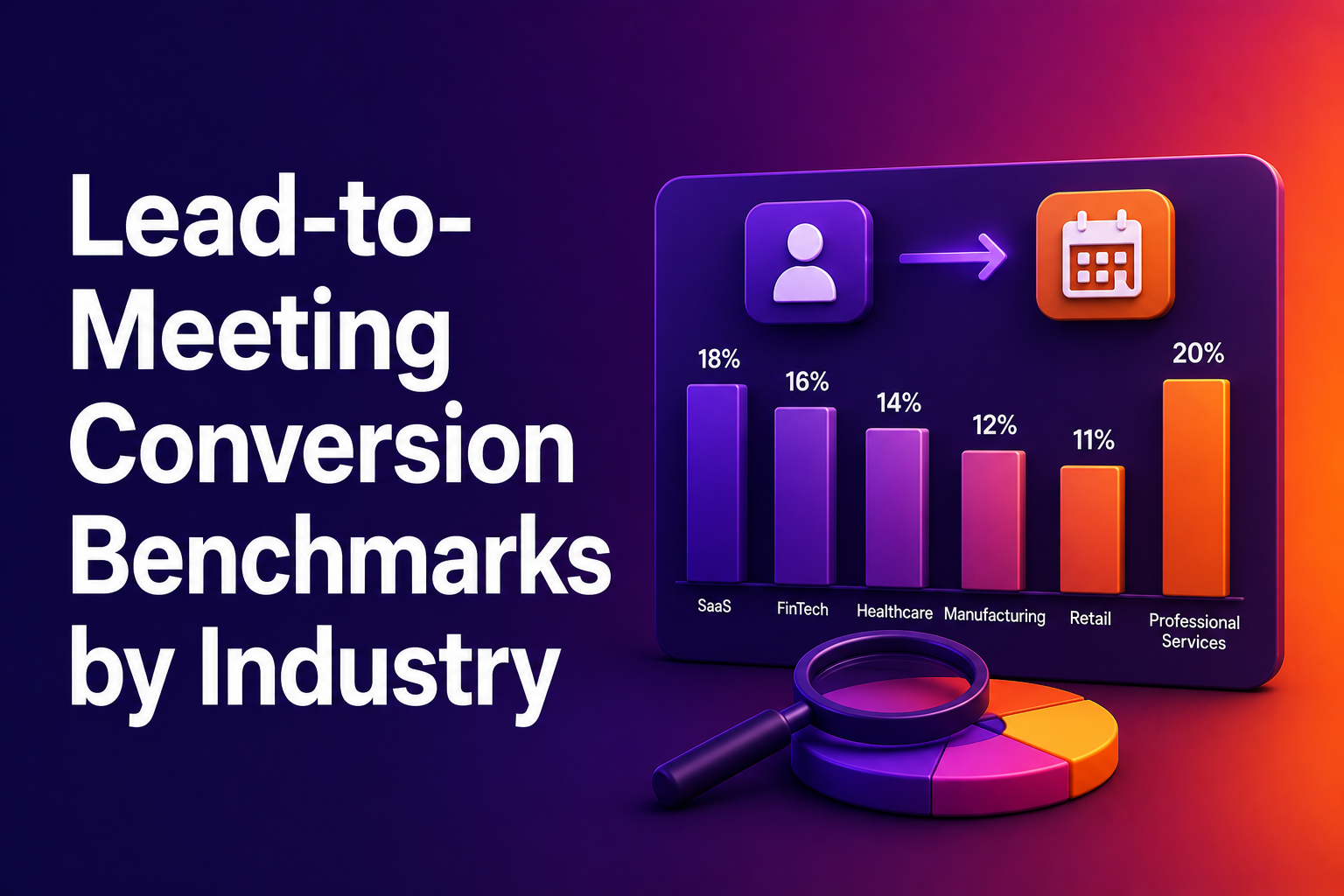
The MQL definition can't live solely in marketing's domain. Sales needs input on which characteristics actually predict a productive conversation. Company size, industry, use case, and buying signals all factor in. Data shows that vertical positioning significantly impacts conversion: Construction Tech converts at 69.1%, while generic Sales Tech converts at 62.8%. Your MQL definition should reflect these patterns. If your disqualification rate sits under 20% and meeting rates struggle, you might be letting through leads that waste rep time. Tighten criteria on the factors that matter. Review and update the definition quarterly based on what actually converts downstream.
Creating a Service Level Agreement for Follow-up Timing
An SLA creates accountability for response times. Marketing commits to delivering leads that meet agreed-upon criteria. Sales commits to contacting those leads within a specific timeframe. The SLA should specify maximum response times by lead source and intent level. A demo request from an enterprise account warrants faster response than a content download from an unknown company. Document the SLA, track adherence, and review violations in regular meetings. Without formal agreements, "as soon as possible" becomes "whenever someone gets around to it."
Streamlining the Technical Handoff Process
Process agreements mean nothing without technical infrastructure to execute them. The systems connecting marketing and sales determine whether leads flow smoothly or get stuck.
Automating Lead Routing and Distribution
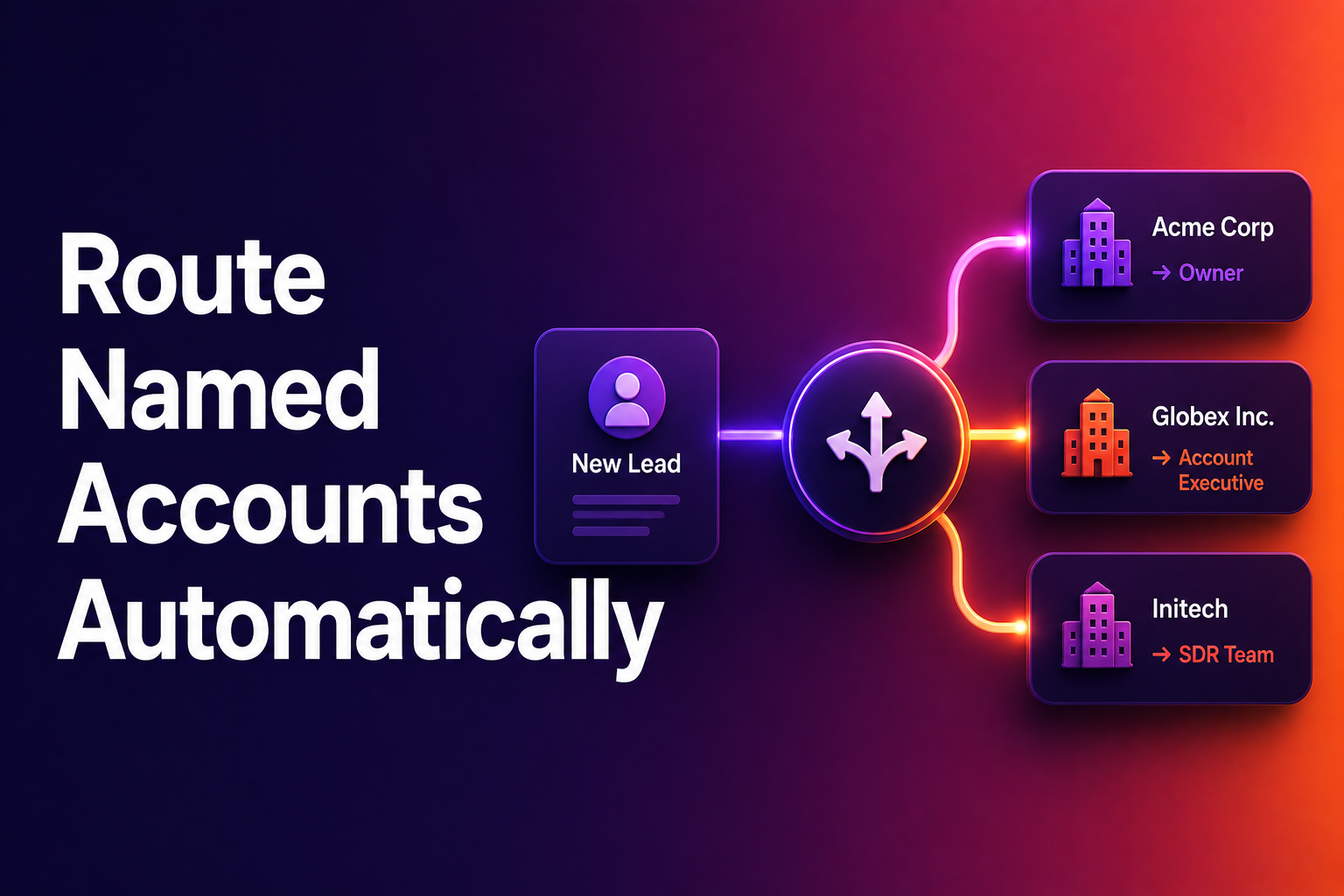
Manual lead assignment introduces delays and errors. A lead fills out a form, goes to a queue, someone manually reviews it, maybe routes it, maybe emails the lead back. Days pass. The meeting that should have happened doesn't. Automated routing eliminates this friction. Leads get qualified in real time using form responses, enrichment data, and CRM history. No manual review queue. No delays. The moment someone submits, they know if they qualify, and they see a calendar immediately. RevenueHero's routing engine, for example, uses form responses, enrichment data, and CRM ownership to get every lead to the right rep instantly. The key is routing based on custom logic like territory, product interest, or account match rather than simple round robin.
Ensuring Data Enrichment for Sales Context
Sales reps need context to have productive first conversations. Raw form data rarely provides enough. Enrichment adds company information, technographic data, and behavioral signals that help reps personalize outreach. The enrichment should happen automatically before or during the handoff, not after. Reps shouldn't spend their first few minutes on a call scrambling to understand who they're talking to. Every field on your form should serve a purpose: getting the lead to the right rep instantly, or helping the rep tailor the demo. Fields that create friction without value should be eliminated.
Improving Communication Between Marketing and Sales Teams
Technology handles the mechanics, but human communication keeps the handoff healthy over time.
Implementing a Feedback Loop for Lead Quality
Sales needs a structured way to report on lead quality back to marketing. Which leads converted? Which were complete mismatches? What patterns emerge? This feedback shouldn't happen through complaint emails or quarterly reviews. Build it into daily workflow. When a rep disqualifies a lead, they should tag the reason. When a lead converts to opportunity, that signal should flow back to marketing. Over time, this data reveals which channels, campaigns, and lead characteristics actually drive revenue.
Conducting Regular Revenue Alignment Meetings
Weekly or biweekly meetings between marketing and sales leadership keep both teams focused on shared goals. Review lead volume, quality scores, response times, and conversion rates together. Discuss specific deals that succeeded or failed. These meetings prevent the blame games that emerge when teams operate in silos. When marketing sees which leads actually close and sales understands the effort required to generate them, both teams develop empathy for each other's challenges.
Optimizing the Prospect Experience During the Transition
The handoff isn't just an internal process. Prospects experience it directly, and their experience shapes conversion rates.
Personalizing the First Sales Touchpoint
Generic outreach after a demo request signals that you weren't paying attention. The prospect just told you what they're interested in through their form submission and website behavior. Use that information. Reference the specific page they visited, the content they downloaded, or the use case they selected. Personalization demonstrates that you value their time and understand their situation. It also differentiates you from competitors sending templated follow-ups.
Leveraging High-Intent Content in Sales Outreach
The content that brought a prospect to your demo form remains relevant during sales follow-up. If they downloaded a guide on a specific challenge, the sales conversation should address that challenge. If they attended a webinar on a particular topic, reference it in your outreach. This continuity prevents the jarring experience of marketing speaking one language and sales speaking another. The prospect should feel like they're continuing a conversation, not starting over with a stranger.
Measuring Success and Continuous Handoff Refinement
Fixing the handoff isn't a one-time project. It requires ongoing measurement and adjustment as your business evolves.
Track the metrics that matter: qualified-to-booked conversion rate, average response time, lead-to-opportunity conversion, and time-to-opportunity. Benchmark against industry standards. The top 10% of companies book 78% or more of qualified leads. The median is 62%. If you're at 40% today and you get to 62%, that's 22 more meetings for every 100 qualified leads.
Review these metrics monthly. When numbers decline, investigate immediately. Did lead quality change? Did response times slip? Did a new rep miss training on the process? Small problems compound quickly.
The companies that win at inbound conversion aren't doing anything complicated. They use commitment language like "Book" instead of "Request." They cut form fields that don't help routing or personalization. They're selective about who gets through to sales. And when someone qualifies, they put a calendar in front of them immediately.
You already have the traffic. You already have people raising their hands. The only question is how many of them actually end up talking to your team. The gap between your current conversion rate and 78% represents pipeline you're leaving on the table every month. Start by diagnosing your symptoms, aligning your definitions, automating your routing, and building feedback loops. The handoff between marketing and sales is fixable, and the revenue impact of fixing it compounds with every lead you generate.
Let RevenueHero help your team turn high-intent users into booked meeting without slowing down your funnel.