Your Prospect Doesn’t Care About Your Calendar
Your prospect cares about one thing: solving their problem while they still have the energy and context to deal with it. Your calendar, your internal SLAs, your routing spreadsheet - none of that matters to them.
The Real Problem: You Optimized For Your Calendar, Not Their Momentum
Look at your inbound flow with fresh eyes. A prospect fills your demo form. They signal intent. They are literally asking to talk to you. What happens next in most orgs is built around internal convenience, not buyer momentum.
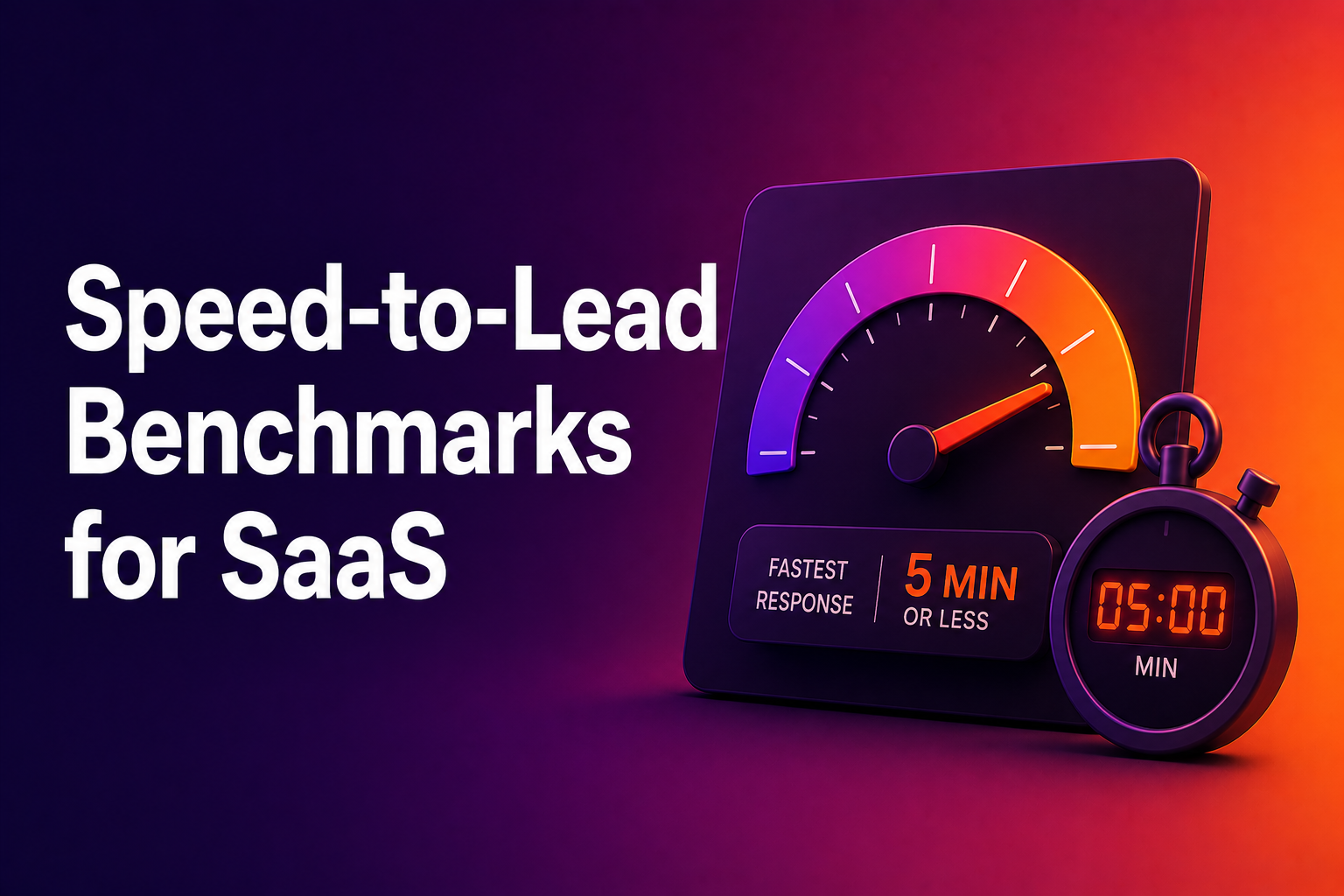
Speed to lead is not just “respond in under 5 minutes.” It is the gap between intent and a confirmed, owned next step. The longer that gap stays open, the lower your odds of ever talking to that prospect.
What “Speed To Lead” Actually Means
Most teams define speed to lead as “time from form submit to first outbound touch.” That is the old way. It measures how fast a rep can start chasing.
Operationally mature teams measure something else entirely:
- Time from form submit to confirmed meeting on the calendar
- Percentage of qualified form fills that end in instant booking
- Drop-off between “thank you page” and “first live interaction”
The shift is simple. Stop celebrating that your SDR replied in 3 minutes. Start asking why the buyer still had to wait three emails and two days to lock down a time.
How Calendar-First Thinking Shows Up In Your Funnel
If you are honest, your current process probably looks like this:
- Prospect submits a demo form and sees a generic “Thanks, we’ll be in touch soon” page
- Lead enters your CRM, waits for enrichment, then for routing to run on a schedule
- SDR gets a Slack or email alert, but they are in a meeting or already in a call block
- Later, SDR sends “Thanks for your interest, here are some times that work for me”
- The back-and-forth begins, or worse, the prospect never replies
Every one of those steps is designed around your team’s availability and your internal systems. None of it is designed around the moment the prospect was actually ready to talk.
Why Prospects Drop Off In Minutes, Not Days
Prospects do not sit around waiting for your email. In the 30 to 60 minutes after a form fill, a typical buyer:
- Joins their next internal meeting
- Gets pulled into a fire drill
- Clicks into a competitor’s site and books with them instead
- Loses the emotional urgency that made them fill the form in the first place
By the time your rep finally sends that “When works for you?” email, the context is gone. The buyer is colder, more distracted, and now you are chasing instead of capturing.
From the RevenueHero point of view, this is the fundamental leak in inbound conversion. You poured budget into getting the form fill. Then you made the buyer wait for your calendar to catch up.
Where Your Calendar Is Leaking Pipeline
The impact of calendar-first workflows is not theoretical. It shows up in your rep productivity numbers, your no-show rates, and your disqualified “unresponsive” leads.
Look at how much of your team’s week is spent just trying to make calendars line up instead of actually selling.
Non-Selling Work Is Eating Your Week
Sales professionals spend roughly 64% of their workweek on non-selling tasks. Scheduling meetings is a big chunk of that. Another study found that 43% of workers spend at least three hours every week just scheduling meetings.
Translate that into your team:
- 10 reps on your team
- 3 hours per week each just doing calendar ping-pong
- That is 30 hours of pure scheduling overhead every single week
You are paying top-of-market salaries so that experienced sellers can act as human calendar routers. From a RevOps perspective, that is a systems problem, not a people problem.
The Follow-Up Spiral: From One Form Fill To 18 Calls
Cold outbound is hard. One source reports it takes about 8 cold call attempts to make contact with a prospect, and as many as 18 calls to actually reach a buyer. Sales reps also spend around 15% of their time leaving voicemails.
That is the reality for cold. You did not earn any special right to the buyer’s time, so you grind for it.
Now look at your inbound process. You worked hard and paid to get someone to raise their hand. Then you drop them into the same world of:
- Multiple call attempts to “follow up on your demo request”
- Voicemails asking them to “reply with a good time”
- Email threads just to agree on a 30-minute slot
Inbound should not feel like cold. If you are treating inbound leads like unqualified strangers who must be hunted down, the problem sits squarely in your scheduling flow.
A mature inbound engine removes the need for follow-up just to get a meeting in the books. The goal is simple: if a prospect wants to talk, they should be able to claim time on the right rep’s calendar on their own, within seconds.
Routing Complexity Masquerading As “Process”
Routing is usually the excuse for slow scheduling.
You have:
- Named account owners
- Territories by region or company size
- Specialists for product lines or verticals
- SDR to AE handoff rules
To manage that, many teams rely on:
- CRM assignment rules that run in batches
- Manual round robin lists maintained in spreadsheets
- Ops managers manually fixing owner mismatches
Operationally, this means a lead has to sit and wait for enrichment, matching, and human verification before anyone even thinks about giving the prospect a way to book.
RevenueHero’s view is blunt: routing complexity is not a valid reason to make prospects wait. The routing engine needs to work in real time at the moment of form submit and feed directly into the scheduling experience, not the other way around.
The Prospect-First Booking Model
The alternative is not theoretical. High-velocity inbound teams already run scheduling in a way that feels almost unfair compared to calendar-first orgs.
They design the booking experience around prospect intent, then let routing rules and automation support that, not block it.
Embed Scheduling At The Moment Of Intent
The most important change is simple: stop making prospects wait for a human to send them a link. Put the right calendar in front of them the instant they hit “Submit.”
In practice, that looks like:
- Prospect fills the demo form
- RevenueHero evaluates qualification and routing criteria in real time
- The thank-you screen instantly converts into a scheduling experience
- The correct AE or SDR calendar is already populated with live availability
The buyer does not leave your site without a confirmed meeting. They go from “I’m interested” to “I’m booked” in one continuous flow.
This is how you preserve momentum. No inbox, no waiting, no “We’ll contact you soon.”
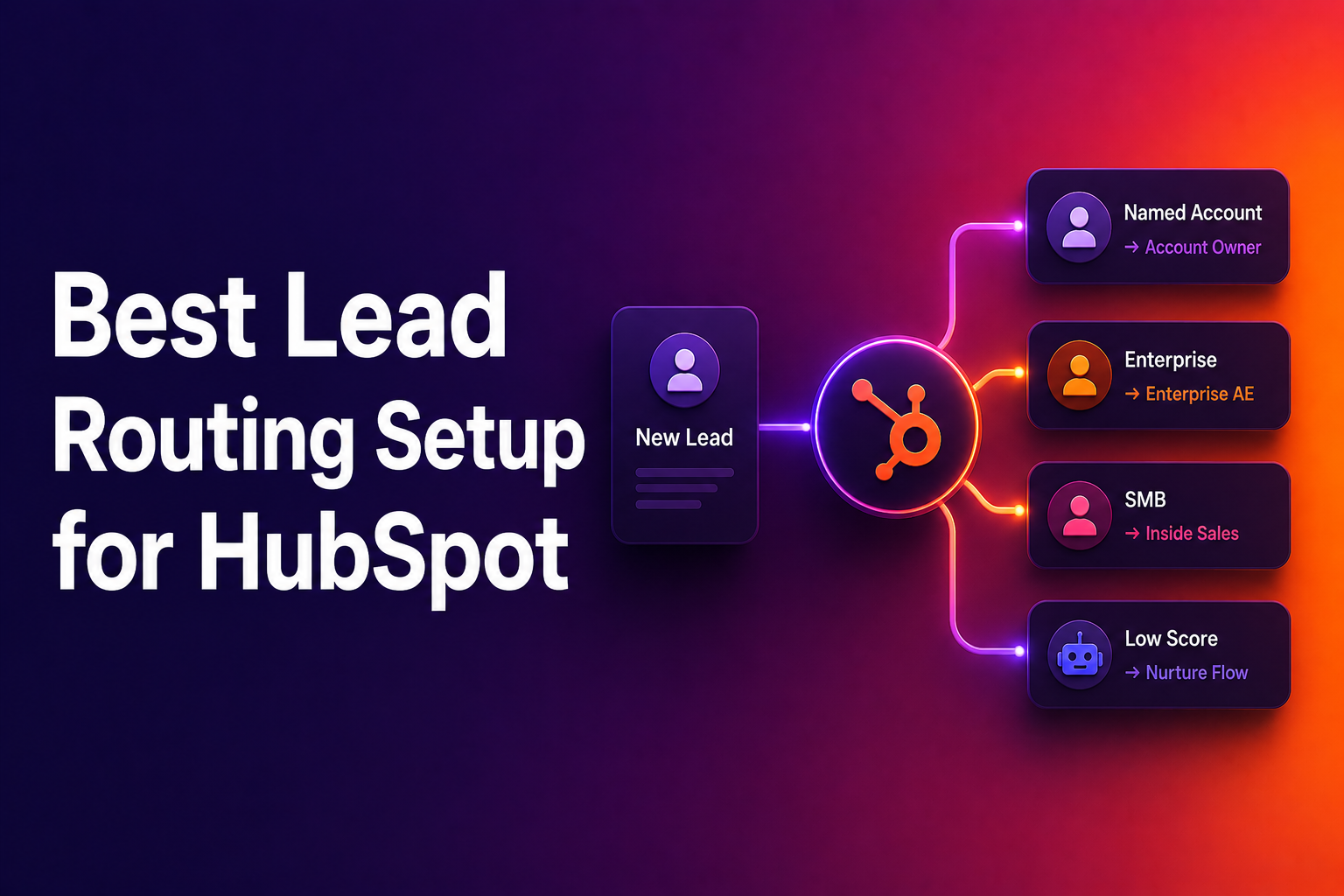
Use Smart Routing, Not Inbox Roulette
To make this work at scale, routing logic has to be mature and instant.
RevenueHero teams typically route on:
- Account ownership - match by CRM account owner if it exists
- Territory - region, industry, or company size
- Channel or campaign - prioritize paid or ABM motion differently
- Lifecycle stage - net new vs expansion vs customer up-sell
The critical part is timing. All of this needs to be evaluated before the thank-you page appears so the buyer never notices the complexity.
A prospect from an existing named account should automatically see their owning AE’s calendar. An ICP lead in a new territory should see the right pooled SDR or AE. A non-ICP lead might see a different experience entirely, such as being guided to a resource center instead of a sales calendar.
Smart routing is not just “who gets the lead.” It is “whose calendar should this prospect see right now without manual work.”
Respect Their Time Zones, Preferences, And Data
Prospects are giving you useful signals. High-intent forms often collect:
- Location or country
- Company size
- Use case or primary challenge
- Tool stack or current solution
Operationally mature teams feed this data directly into the scheduling experience:
- Show time slots in the prospect’s local time zone
- Offer shorter intro calls for top-of-funnel leads, longer deep dives for PQLs
- Route enterprise leads to senior sellers with availability that matches their region
- Adjust availability windows based on segment or persona
The result is personalization at scale without extra rep effort. The prospect sees options that make sense for them, not just for whatever generic “availability” your reps happened to set when they connected their calendars.
Operationally Mature Teams Run Scheduling Like A Revenue System
Once you embed routing and scheduling into the core of your inbound engine, calendar links turn into a revenue system, not an afterthought.
This is where RevenueHero teams start to separate from everyone still doing calendar ping-pong in their inbox.
From “Book A Time” Links To Embedded Experiences
There is a big difference between “Here’s my calendar link” and a true scheduling experience.
A basic link still forces the buyer to:
- Open your email
- Click out into a separate tool
- Re-enter details you already captured in the form
- Guess which meeting type they should choose
Mature teams treat every touchpoint as a chance to make booking easier:
- Turn email CTAs into one-click scheduling with pre-filtered availability
- Embed calendars directly into landing pages and post-form screens
- Skip redundant fields by using form data that is already in CRM
- Auto-select the right meeting type based on intent and lifecycle stage
This is the idea behind RevenueHero’s campaign router. If a prospect clicks a “Book a demo” button in an email, they should land straight on a tailored scheduling experience with the right rep’s availability, not a generic page asking them to start over.
Relays And Handoffs Without Losing The Buyer
The first meeting is not the only place you leak calendar efficiency. A lot of opportunities die in the handoff between SDRs and AEs or between AEs and specialists.
Typical pattern:
- SDR runs a great disco call
- Promised follow-up demo “early next week” with an AE
- SDR slacks the AE, waits for them to share availability
- Prospect gets yet another email thread asking for times
By the time the AE actually meets the buyer, you have wasted days and forced the prospect to coordinate around your internal motion.
With RevenueHero-style relays:
- Next-step scheduling is triggered automatically at the end of the first meeting
- The buyer can book time with the AE or specialist from the recap email with one click
- Routing rules ensure account ownership is respected without manual back-and-forth
The buyer experiences a single, continuous journey. Internally, your teams still maintain clean territories and roles. Externally, the prospect does not see the complexity and does not have to care who is “supposed” to own them.
Automation That Still Feels Personal
Automation in scheduling is not about spamming more reminders. It is about reducing the chances that a good meeting falls through the cracks.
High-velocity teams typically:
- Send automated confirmation with calendar invite the second a meeting is booked
- Use smart reminders before the meeting across email and calendar
- Offer one-click reschedule options that update routing logic if the owner changes
- Trigger internal alerts when high-value accounts book or reschedule
All of that can still feel personal when it is grounded in real prospect data:
- Refer to their company, use case, or problem in the reminder
- Include relevant assets tailored to their segment or product interest
- Make it clear who they are meeting and what will be covered
From a RevOps perspective, these micro-automations reduce no-shows, keep calendars accurate, and provide cleaner data for forecasting and attribution.
Designing A Prospect-First Scheduling Flow In Practice
Let’s connect the dots. If you were rebuilding your inbound demo flow today with RevenueHero principles, what would it look like end to end?
Here is a practical, operationally sound model you can steal.
1. Capture And Qualify In One Motion
Start at the form. The goal is to gather enough information to route intelligently without scaring prospects off with 20 fields.
Most mature teams collect:
- Email and name
- Company and website domain
- Role or seniority
- Team size or company size band
- Primary use case or challenge
Behind the scenes, enrichment tools and your CRM fill in:
- Industry and region
- Existing account ownership
- ICP fit vs non-ICP
RevenueHero reads this in real time to decide: should this prospect see a calendar, a lighter touch experience, or a different path entirely?
2. Route Instantly To The Right Calendar
Next, apply routing logic without waiting for a human.
A simple but powerful rule set might be:
- If the account exists with an owner, show that AE’s calendar
- If the account is new but ICP, route to pooled SDRs in the correct territory
- If the account is non-ICP, surface an async experience instead of live time
- If no rep is available in the requested window, route to a backup pool
The important part is that the prospect never sees this decision tree. To them, it feels like:
- “Thanks for reaching out, here are some times that work” directly on the page
- All in their local time zone
- With a clear label for the meeting type, duration, and who they are meeting
You can still respect territories, account ownership, and SLAs. The difference is that the rules happen in real time and feed into the scheduling experience instead of blocking it.
3. Lock In The Meeting And Reduce No-Shows
Once the prospect selects a slot, the work is not done. This is where automation removes administrative overhead and reduces leakage.
A mature flow looks like this:
- Meeting is written to both the rep’s calendar and CRM with the correct owner
- Opportunity or meeting record is created with form data attached
- Prospect receives a branded confirmation with clear expectations for the call
- Internal Slack or email alert notifies the rep and relevant channel owners
Ahead of the meeting:
- Reminder emails trigger 24 hours and 1 hour before
- Prospects can reschedule with one click if something comes up
- Reschedules still respect routing rules if ownership or region changed
This is the part where RevenueHero’s automation quietly pays off. Reps do not have to manually log meetings, chase confirmations, or update fields. They show up prepared, and you get consistent data for reporting.
What This Changes For RevOps And GTM Leaders
All of this is more than a nicer booking experience. It changes the economics of your inbound motion.
If your job is to build a predictable pipeline engine, you cannot afford to let your calendar be the bottleneck.
Cleaner Data, Better Reporting
When meetings are booked through a consistent, integrated flow, you finally get answers to questions that matter:
- Which campaigns generate the highest rate of instant bookings
- Which reps or territories convert form fills to meetings fastest
- What time windows and days drive the best show rates
- Where prospects most frequently drop off in the scheduling flow
RevenueHero’s granular reporting turns these into dashboards, not anecdotes. That gives RevOps leverage:
- Adjust calendar availability policies based on show-rate data
- Double down on channels that drive high-intent, high-booking leads
- Spot bottlenecks where routing rules are misaligned with real behavior
You cannot fix what you cannot see. A prospect-first scheduling engine makes those blind spots visible.
Higher Conversion Without Adding Headcount
Every RevOps leader gets asked the same question: “How do we get more meetings without hiring more SDRs?”
Instant booking is one of the cleanest levers you have.
- You already have the inbound volume
- You already have the sales team
- You already have routing rules on paper or in your CRM
What you are missing is a system that turns intent into a confirmed meeting before the buyer’s attention disappears.
Teams that move from “we’ll follow up” to embedded scheduling consistently report:
- More meetings from the same number of form fills
- Shorter sales cycles because the buyer starts sooner
- Less need for manual chasing and task creation
That is pure efficiency gain. No extra sequences, no extra headcount, just less friction.
Reps Back To Selling, Not Scheduling
Remember that 64% non-selling time and the 15% of time some reps spend leaving voicemails. A good chunk of that is driven by follow-up and scheduling overhead.
Once your inbound scheduling is automated:
- Reps stop arguing about who owns which lead in Slack threads
- They stop playing email ping-pong to find a time
- They stop manually logging every booked meeting into CRM
They can spend that time:
- Researching high-value accounts before the call
- Running better discovery conversations
- Following up with true no-shows or stalled opportunities
You hired them to sell. Your scheduling system should support that, not compete with it.
Stop Making Prospects Care About Your Calendar
Your prospect does not care that your AE is double-booked on Tuesdays or that your routing rules are fragile. They care about getting their problem in front of someone competent as quickly as possible.
Right now, too many inbound funnels are optimized around one question: “When is my rep available?” The better question is: “How do we remove every possible step between intent and a confirmed conversation?”
RevenueHero’s perspective is clear:
- Speed to lead is about instant, embedded scheduling, not just fast replies
- Routing complexity is a systems problem, not an excuse for slow booking
- Personalization at scale comes from using prospect data to shape the scheduling experience
- Scheduling belongs inside your inbound engine, not scattered across inboxes
If you keep forcing prospects to care about your calendar, your competitors will happily let them care about theirs instead. Redesign the flow so that when someone raises their hand, they can book a meeting right then, with the right person, in a few clicks.
That is how you close the gap between intent and revenue. And it starts with admitting that your calendar is your problem to solve, not your prospect’s.
Let RevenueHero help your team turn high-intent users into booked meeting without slowing down your funnel.