What Is Buyer-First Scheduling?
Buyer-first scheduling is a simple idea that most teams make painfully hard in practice: let the buyer book the right meeting, with the right person, at the exact moment they are ready, without forcing them through your internal chaos.
It is not a link buried in a follow-up email. It is not “thanks, we’ll be in touch soon.” It is an end-to-end way of routing, surfacing availability, and automating handoffs that treats the buyer’s time and attention as the core asset in your funnel.
Why Buyer-First Scheduling Matters Now
The window to win a buyer is shrinking fast. That is not a platitude, it is in the data. Recent research shows the timeline for influencing B2B buyers is shrinking, with decisions made earlier and preferred vendors chosen before first contact in many deals.
By the time someone fills out your “Talk to sales” form, they are not starting a journey. They are near the finish line. And 94% of buying groups already have a ranked shortlist before they talk to you, with 77% buying from their preferred vendor according to the 2025 Buyer Experience Report. Your scheduling experience either locks in that intent or hands it to someone else.
Old-School Scheduling: Seller-First By Design
Most teams still run a seller-first scheduling motion that looks like this:
- Buyer fills out a demo form
- They see a vague “someone will reach out soon” message
- Lead gets enriched, pushed to CRM, then to a queue
- Rep eventually gets notified, maybe after a round-robin run
- Rep sends an email with “Does Tuesday or Wednesday work?”
- Three emails later, you might have a time on the calendar
All your operational pain lives between those steps. Manual routing. CRM lags. Calendar juggling. Buyers feel every second of that complexity, even if it is invisible to you on a dashboard.
What Buyer-First Scheduling Actually Is
Buyer-first scheduling flips that motion on its head. The core principles:
- Instant scheduling at the moment of form submit
- Smart routing that decides the right owner in real time
- Dynamic calendar selection based on account, territory, and intent
- Flexible slots that adapt to prospect time zones and working hours
- Automated confirmations, reminders, and rescheduling that do not require rep effort
Operationally, buyer-first scheduling is about designing your inbound flow so that no human needs to do anything to get a qualified buyer from form fill to confirmed meeting. Reps show up to meetings. RevOps controls the rules. The buyer controls the time.
The Cost Of Not Being Buyer-First
Teams like to argue about lead scoring models and MQL definitions. Meanwhile, the real revenue leak is happening in the 5 minutes after a form submit.
Across B2B, buyers consider more options and feel worse about the ones they choose. One report found buyers now look at 62% more brands than in 2021, yet 81% end up dissatisfied with the provider they select. This is what happens when vendors introduce friction and confusion into a process buyers expect to be fast and clear.
What Happens In The 30-Minute Gap
Picture your last “hot” inbound:
- They hit your pricing page
- Read 2 or 3 case studies
- Fill out the demo form while intent is peaking
Then your internal world kicks in:
- Lead sits in the marketing automation platform for a few minutes
- Routing runs on a 5-minute batch job
- Assigned AE is in a call and misses the alert
- Follow-up email goes out 30–60 minutes later
In that exact gap, your buyer:
- Joins another meeting
- Gets pulled into internal priorities
- Clicks into another vendor’s ad or site
- Books a meeting where scheduling is instant
By the time your rep sends “When works for you?” the urgency is gone. You are no longer capturing intent, you are chasing it.
Revenue Leakage Looks Operational, Not Dramatic
This is not just a SaaS problem. In B2B manufacturing, 88% of decision-makers say they lose deals due to manual processes, with an average 5% revenue leakage every year. That is what slow, manual buyer journeys cost.
Your inbound motion is no different. Manual routing, delayed responses, and back-and-forth scheduling bleed pipeline quietly. No one line item in Salesforce says “we lost this because it took us 20 minutes to send a calendar.” Yet that is exactly what is happening.
How Buyer Behavior Has Outgrown Your Scheduling Flow
Buyers used to expect slow. Now they expect instant, consumer-grade speed and clarity, even for complex products. One CEO put it bluntly: today’s B2B buyers expect the same self-service experience they get in consumer commerce, even for configurable products and multi-stakeholder deals.
At the same time, nearly 9 in 10 B2B purchases now include AI features, yet most vendor sites still fail to explain them clearly, according to the latest buyer experience research. If your product is complex and your explanation is fuzzy, the last thing you can afford is also making it hard to talk to you.
Shortlists Are Built Before You Ever Say “Hi”
Here is the part most teams still underestimate:
- 94% of buying groups rank their shortlist before talking to vendors
- 77% buy from the vendor already in first place
So when a prospect hits your inbound page and fills the form, they are not asking to “learn more.” They are either validating that you deserve first place or giving you one shot to displace someone else.
If you respond slowly, route them incorrectly, or make them wait 2 days to get time with the right person, you are basically saying: “We are not ready to be your preferred vendor.”
Buyers Expect Control, Not Coordination
From the buyer’s perspective, a good scheduling experience has three traits:
- Immediate: They can book in the same browser session, right after the form
- Clear: They know who they are meeting and why
- Flexible: They can reschedule, add colleagues, and pick time zones without email drama
From your side, those expectations translate to serious operational work:
- Routing rules that actually reflect territories, ownership, segments, and ABM programs
- Calendar pools for SDRs and AEs that respect working hours and capacity
- Eligibility logic so only qualified buyers see live calendars
- Automated reminders and follow-ups that do not rely on rep memory
Buyer-first scheduling is not a widget on a page. It is a system that guarantees those outcomes every single time.
The Core Components Of Buyer-First Scheduling
To make this practical, break buyer-first scheduling into a few concrete capabilities. If one of these is missing, the experience becomes seller-first again.
High-velocity teams build all of these directly into their inbound and campaign flows, instead of treating scheduling as an afterthought.
1. Instant, Embedded Scheduling Right After Form Submit
This is the non-negotiable piece. When a qualified buyer submits a form, they should immediately see a scheduling experience embedded on the thank you page. No waiting. No future email.
Operationally, that means:
- Running lead routing at form submit, not after a CRM sync
- Deciding ownership instantly based on rules (account, territory, segment, ABM, partner, etc.)
- Pulling the correct rep or pool calendar in real time
- Rendering available time slots inline, without redirecting the buyer around
You do not say “we’ll follow up to schedule.” You say “you are talking to the right person, here are their times, grab what works.”
2. Smart Routing That Mirrors Reality, Not A Spreadsheet
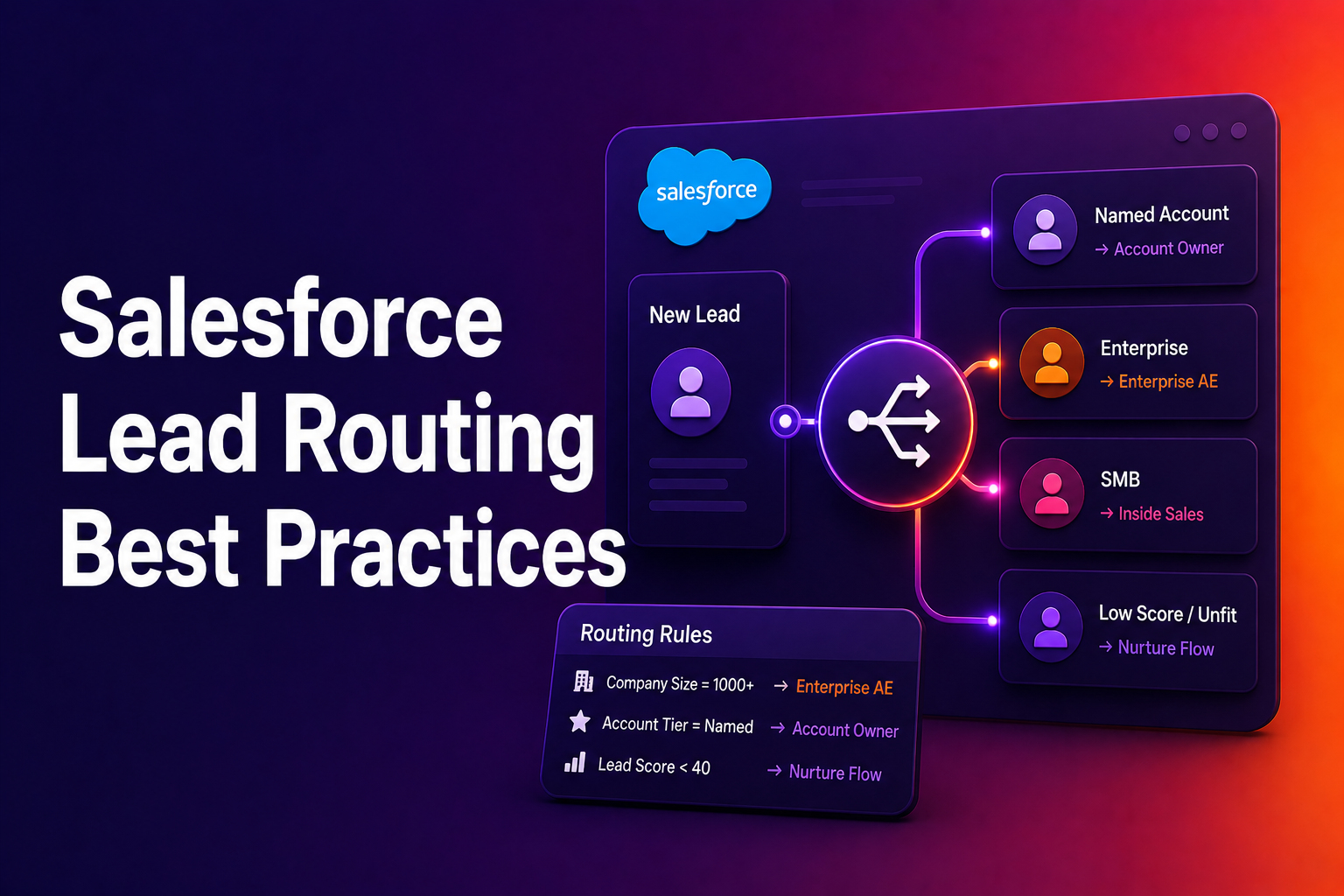
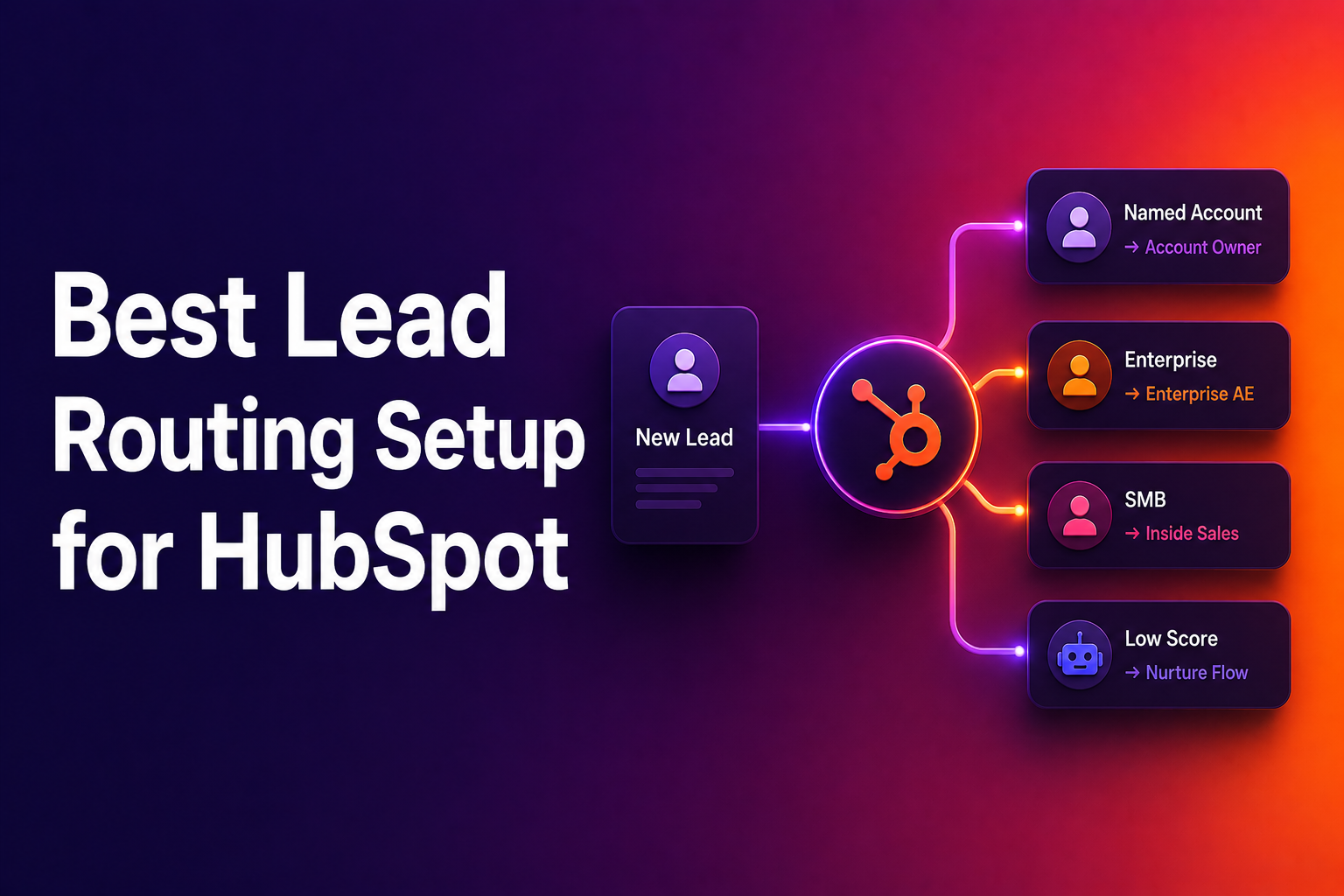
Routing complexity is where most buyer-first ambitions go to die. Your rules today probably include:
- Named accounts mapped to specific AEs
- Territories based on region, industry, or company size
- Partner-sourced vs direct inbound paths
- SDR / AE split depending on stage and source
Buyer-first scheduling means all of that logic is handled before the calendar shows. The buyer never feels your internal debate about “who should own this.”
RevenueHero teams typically:
- Use a central routing engine that runs at the moment of form submit
- Syncs with CRM ownership, but does not wait on CRM to make decisions
- Supports fallback pools if the primary owner has no availability
- Applies qualification filters so only ICP leads see live calendars
You control routing centrally. Reps do not negotiate ownership in Slack. Buyers never see the mess.
3. Context-Aware Availability & Time Slot Logic
Basic calendar tools stop at “here are some free times.” Buyer-first scheduling goes further and asks: “Is this the right kind of meeting, with the right person, at the right length?”
Mature teams:
- Use different meeting templates for discovery, demo, and handoff
- Adjust duration based on role (e.g., 30 minutes for champions, 45 for buying groups)
- Respect both buyer and rep time zones automatically
- Cap daily meetings per rep to avoid burnout while keeping enough availability online
You are not just throwing your Google Calendar at the buyer. You are offering carefully designed windows that fit their expectations and your team’s capacity.
4. Automated Reminders, Follow-Ups, And Rescheduling
A lot of no-shows are self-inflicted. The buyer forgot. The invite got buried. The champion needed to pull in a colleague but did not know how.
Buyer-first scheduling bakes in:
- Calendar invites sent instantly from the correct host
- Email and optional SMS reminders at smart intervals
- Easy reschedule links that keep the meeting on the books without rep effort
- Automatic updates to CRM, including date, host, and meeting type
Your reps do not chase confirmations. They show up to meetings from buyers who had multiple chances to confirm or reschedule with zero friction.
5. Clean SDR → AE Handoffs Without Making Buyers Repeat Themselves
Nothing kills momentum like a buyer having to repeat their story three times. Yet most sales orgs still run a clumsy SDR-to-AE relay:
- SDR books a meeting
- AE’s calendar link goes out later
- Details from discovery live in a random Slack thread
A buyer-first handoff looks different. Mature teams:
- Use dedicated handoff flows where the SDR books on the AE’s calendar via a shared pool
- Attach context from forms, activity, and notes into the invite automatically
- Route follow-up meetings to the same AE, respecting ownership and territories
From the buyer’s perspective, it feels like a single, coherent journey. From your ops view, every meeting is routed, tracked, and attributed correctly.
Personalization At Scale: Using Data To Make Scheduling Feel Human
Buyer-first scheduling is not just about speed. It is also about relevance. If every inbound sees the same generic calendar, you are leaving revenue on the table.
Teams using RevenueHero treat scheduling as another surface for personalization, driven by data you already have across tools.
Using Context To Tailor The Meeting Experience
You already know a lot by the time someone submits a form:
- Company size, industry, and location
- Pages they viewed and content they engaged with
- Campaign source or ABM segment
- Existing CRM data if they are already in your system
Mature teams use that data to:
- Route strategic accounts to named AEs instantly
- Show different meeting types for SMB vs enterprise prospects
- Inject tailored messaging on the scheduling screen (e.g., “You’ll meet with our manufacturing specialist”)
- Offer flexible group scheduling for buying committees
The result feels personal to the buyer, without adding manual research time for reps.
Campaign Router: Turning CTAs Into One-Click Scheduling
Buyer-first scheduling should not stop at the website. Your outbound and lifecycle campaigns can carry the same experience.
With a campaign-aware router in place, teams:
- Turn email CTAs into direct scheduling experiences tied to each AE
- Send account-specific links in ABM campaigns that respect account ownership
- Track which campaigns directly created booked meetings and pipeline
You are not asking prospects to “reply if you want to talk.” You are giving them a single click to claim time while they are thinking about you.
Data, Reporting, And The Feedback Loop
You cannot improve what you cannot see. Most teams have zero visibility into where scheduling is breaking down.
Buyer-first scheduling builds analytics into the flow so RevOps can tune the system like any other revenue engine.
Metrics That Actually Matter For Scheduling
Beyond raw meeting count, the teams serious about inbound watch:
- Form-to-meeting conversion rate by segment and source
- Median time from form submit to booking (should be minutes, not hours)
- Routing accuracy (how often the right owner gets the meeting)
- No-show rate by meeting type and campaign
- Meeting-to-opportunity conversion tied to specific flows
You want to know not just “did we get meetings,” but “did this specific scheduling experience produce pipeline.”
Using Insights To Tune Routing And Availability
Once you have real data, you can iterate:
- If EMEA form-to-meeting conversions are low, adjust time slots to better match their working hours
- If one pool has a high no-show rate, test different reminder cadences or meeting durations
- If high-intent pages convert poorly, embed instant scheduling directly on them
- If strategic accounts are routed to general pools, refine your account mapping rules
Buyer-first scheduling is not a one-time setup. It is an operating system that you optimize just like your paid spend or outbound sequences.
Implementing Buyer-First Scheduling: A Practical Blueprint
Transforming your scheduling motion sounds big, but it becomes manageable when you treat it as a phased rollout. You do not have to fix every edge case on day one.
Here is how RevOps and GTM leaders typically approach it with RevenueHero.
Phase 1: Fix The Inbound Demo Form
Start where intent is highest: your main “Talk to sales” form.
- Map your current routing rules (ownership, territories, segments)
- Define your ideal meeting template for a first call
- Embed instant scheduling on the thank you page for qualified leads
- Set basic reminders and calendar sync
The goal of phase 1 is simple: collapse the lag between form submit and confirmed meeting to near zero for ICP inbound.
Phase 2: Expand To Campaigns And Key Pages
Once inbound is working, extend buyer-first scheduling to:
- ABM campaigns with account-aware, one-click scheduling links
- Product and pricing pages with embedded meeting options for high-intent visitors
- Partner and event landing pages with custom routing rules
At this stage, you want any high-intent touchpoint to be able to generate real meetings, not just “leads.”
Phase 3: Clean Up Handoffs And Internal Routing
Next, tackle the messy parts your buyers feel but cannot see:
- Standardize SDR → AE handoff flows with shared pools and clear rules
- Set fallback logic for when reps are at capacity or out of office
- Align CRM ownership with scheduling rules so data stays clean
Your aim is to make every meeting feel like a continuation of the last conversation, not a restart.
Phase 4: Optimize With Reporting And Experiments
Finally, treat scheduling changes like you would changes to pricing pages or email sequences:
- Run A/B tests on different slot lengths and time windows
- Track conversion by segment and adjust templates for each
- Refine routing based on pipeline impact, not internal politics
Teams that get this right use scheduling data as a strategic signal about where their GTM motion is working and where it is not.
A Buyer-First Point Of View On Inbound
The core belief behind buyer-first scheduling is straightforward: speed to lead, routing accuracy, and frictionless booking matter more than adding yet another nurture email.
You can keep pumping budget into top-of-funnel and obsessing over MQL targets. Or you can accept that the first 5 minutes after a prospect raises their hand is where most of your revenue is actually decided.
What Mature Teams Do Differently
Compared to everyone else, mature teams:
- Refuse to accept “We’ll follow up soon” as a buyer experience
- Treat routing as a product, not an internal spreadsheet
- Design calendars and meeting types intentionally, not as defaults
- Use data from every touchpoint to personalize how and with whom buyers meet
- Automate the boring pieces so reps focus entirely on live conversations
They do not ask their reps to “respond faster.” They build a system that makes speed, clarity, and personalization automatic.
Final Thought
If you are optimizing your funnel for leads, but not optimizing what happens in the first moments after a form submit, you are choosing to leave money on the table.
Buyer-first scheduling is not a nice-to-have UX detail. It is the connective tissue between intent and pipeline. Get it right, and your inbound motion stops feeling random and starts feeling predictable. And it starts with a simple shift in mindset: scheduling should work the way buyers buy, not the way your calendar currently looks.
Let RevenueHero help your team turn high-intent users into booked meeting without slowing down your funnel.